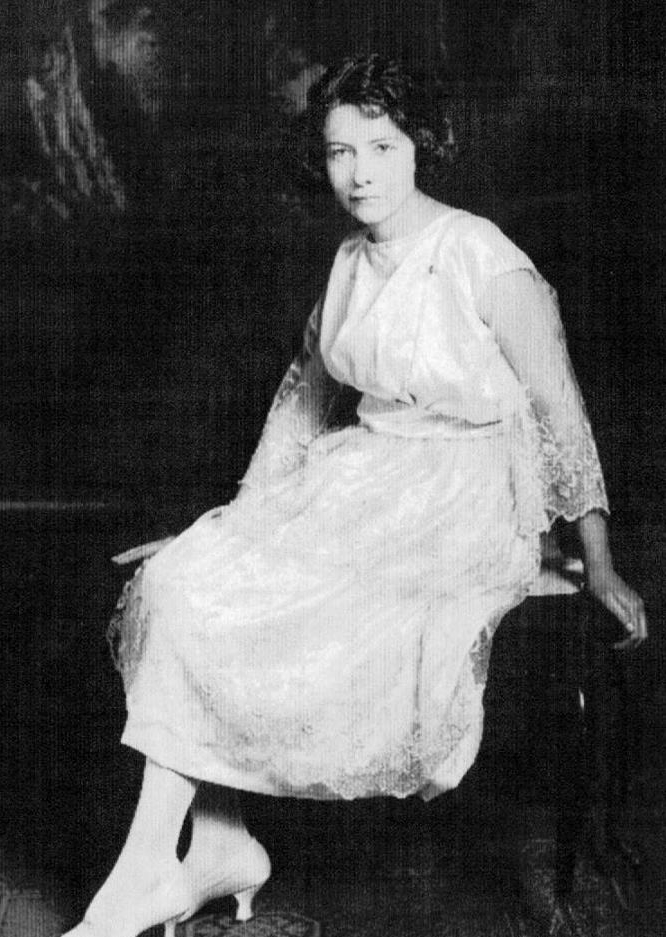
My mother was born on January 7, 1904. I’ll save you the math. She would be 112 years old today.
In 1904 the average life expectancy was 47. There were only 8,000 cars in the U.S., and only 144 miles of paved roads. The maximum speed limit in most cities was 10 mph. Only 14 percent of the homes in the U.S. had a bathtub and only 8 percent of the homes had a telephone. The average wage in the U.S. was 22 cents an hour and the average U.S. worker made between $200 and $400 per year. Ninety percent of all U.S. physicians had no college education. Marijuana, heroin, and morphine were all available over the counter at corner drugstores. One pharmacist sold it with this endorsement: “Heroin clears the complexion, gives buoyancy to the mind, regulates the stomach and bowels, and is, in fact, a perfect guardian of health.” A different world and a different time, right?

Her father was a trapper and a true pioneer. He built the family home himself, a large house on the edge of town to accommodate his three sons and four daughters. He traveled to the city to buy clothes for his daughters, coming home with the latest fashion and the correct sizes. What kind of pioneer does that? I never knew my Grandpa Barnes – my loss.
Mom graduated from high school at 18 and went to the State Teacher’s College, got a teaching certificate and taught in a one room school house before she married my dad. In 1923 she was a college educated woman with a career – ahead of her time in many ways.
Whether shaped by temperament, by personality or by life events, she was a strong woman – one of the strongest I have ever known. She lived through two World Wars, raised five children in the Great Depression, cooked for a never-ending string of farm hands, cleaned houses and sold eggs, nursed her family through small pox, scarlet fever, whooping cough and polio, sent two sons to war and bore a sixth child at the age of 47. She became a widow at the age of 51, left the farm and started over with two dependants, a four year old daughter and a 21 year old disabled daughter. Once again, ahead of her time, she was a single working mom in the 1950’s.
I never knew the fashionably dressed teenage flapper or the auburn haired school teacher or the young farm wife or the woman who washed out her children’s clothes at night so they could wear them to school again the next day. The woman I knew had white hair and walked to the hospital every day where she worked as a cook. Once a month we took the bus downtown where she would deposit her paycheck in the bank, and we would eat fried shrimp and drink chocolate malts at the Woolworth’s lunch counter on Main Street. My mother never learned to drive a car. On my sixteenth birthday I got my driver’s license and we took the bus to the car dealership where she paid cash for a brand new 1966 Dodge Dart. I became her transportation to work, to the grocery store, to the doctor’s office. She was a terrible side seat driver (a habit I either learned or inherited from her), gasping at every stop or start or at the sight of another car. I didn’t like driving then and I don’t like it now.
She was an exceptionally practical and pragmatic woman. Probably because life had made her so. In her 80’s when she began to fail, she called my sister one day to take her to the funeral home. My sister assumed a friend of hers had died and she wanted to go to pay her respects. Not so. My mother was there to browse. She wanted to pick out her casket, plan her funeral and pay for it.
“I really like the lavender one. Do you think it’s too flashy?”
“I don’t know, Mom. Do whatever you want. I’m really not up for this.”
“Lila, you can do this with me now or you can do it by yourself when I’m gone. Those are your choices. The choice you do not have is to not do it.”
When they sat down with the funeral director to make the final decisions, Mom learned that to have her body moved to Nebraska to be buried next to my Dad would cost more than she was willing to pay. She turned to Lila “You and Tony can just put me in the back of the station wagon and take me there and save the money.”
My sister drew the line. Under no circumstances would she transport her mother’s body anywhere.
“Fine,” my mother huffed. “I’ll just rent a casket, have the funeral here, they can cremate my body and you can take the ashes to Nebraska!”
“Fine!”
“But you make sure they put me in that lavender casket. I’m not going to pay for it and have them cheat me out of it afterwards.” My sister always thought she won that round. I’m not so sure.
She sat Paul down and told him what she wanted from him. She wanted him to preach. She told him the verses she wanted him to use. She wanted him to sing. She told him the songs she wanted. “I’m really not comfortable with all of this, Hazel. It sort of turns it into the Paul Abbott show and…”
“But it’s really not about you, is it?” she said. “It’s my funeral so I get to say how it will be.” And that’s how it was.
In the last decade of her life she moved into a small apartment in a retirement home. It was an adjustment for her but she figured it out. When she’d been there a couple of weeks I called her to check on her. “How do you like it?” I asked. “Well,” she said, “it’s not bad. It’s just that there are a lot of old people here.” She spent her days baking for the old people and checking up on them.
My mother taught me many things. She taught me how to make pie, how to stretch a grocery budget and how to bake bread. She taught me that life isn’t fair but I could be. She taught me that sometimes you do what you have to do even when you don’t feel like it. And she taught me this: “When you are young, you have to practice being the kind of person you want to be when you are old.” When she was old sick and dying, she was gracious and grateful and appreciative. I’m still practicing.
I loved my mother. I didn’t always understand her or the world she had come from, but I know for a fact that she was a strong and remarkable woman. I hope that I am just a little like her.
So maybe today I’ll l have a chocolate malt and offer a toast to a woman who was a pioneer in her own right and one who was ahead of her time. To you, Mom, and Happy Birthday!
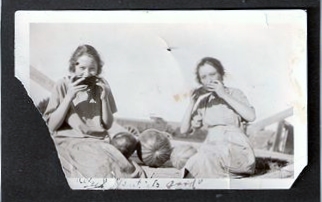
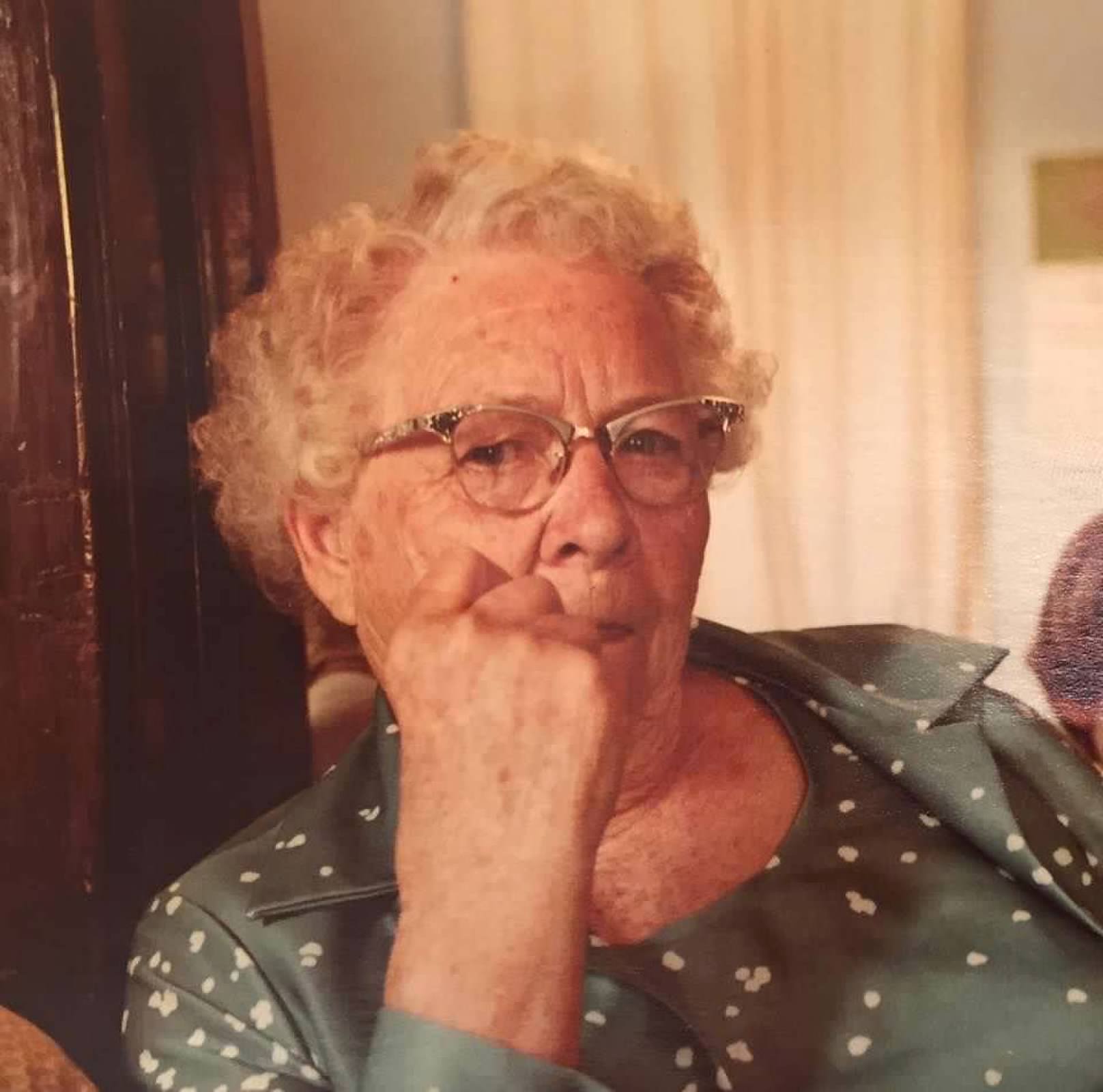


I remember visiting Grand ma Fletcher at the appartment.
LikeLike