Minnie Alice 

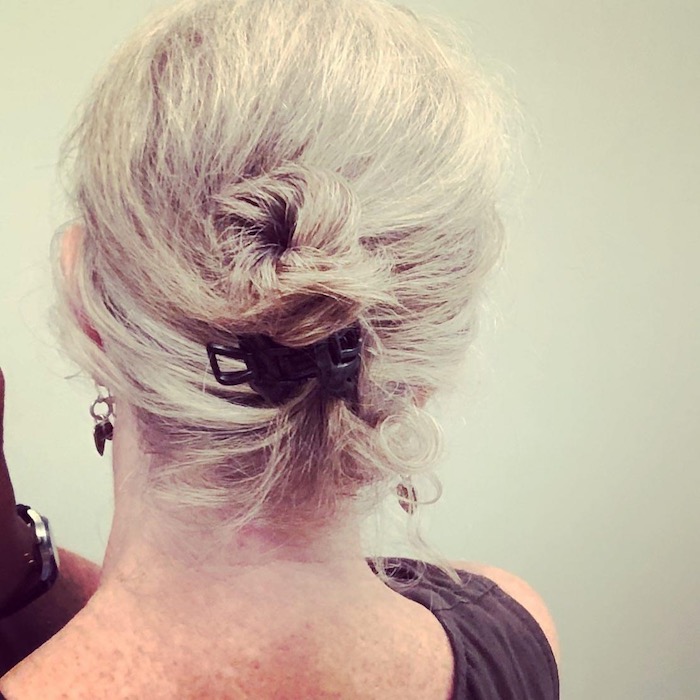
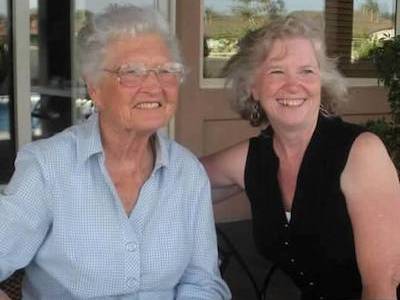
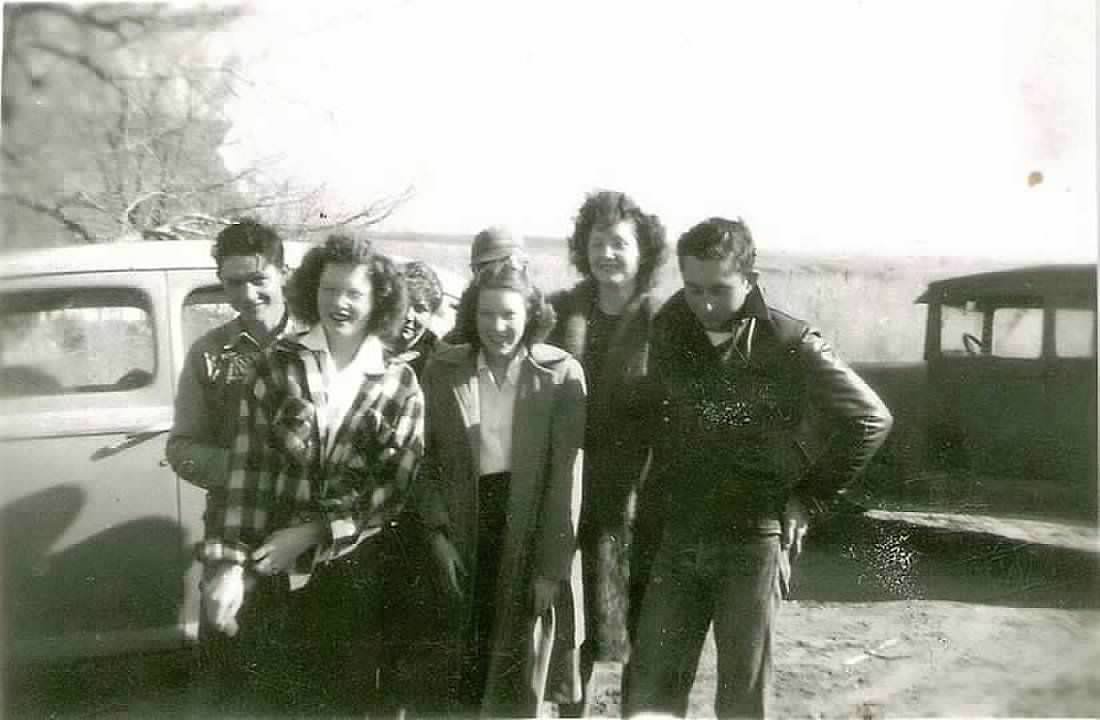
When I was little I thought my sister Minnie was a queen. She was beautiful and tall and regal and comported herself with the air of someone who should rule over a kingdom – not a farm or a feedlot. By the time I knew her, she wore her strawberry blonde hair in a french twist and dressed with the style and class of someone born to royalty. Nothing made me happier than when someone in the family would say, “You look like your sister Minnie.”  But of course, I didn’t.  I was short, had an unruly mass of dark auburn hair, and was lucky if my socks matched on any given day.  But still . . .  it was something to which I aspired.

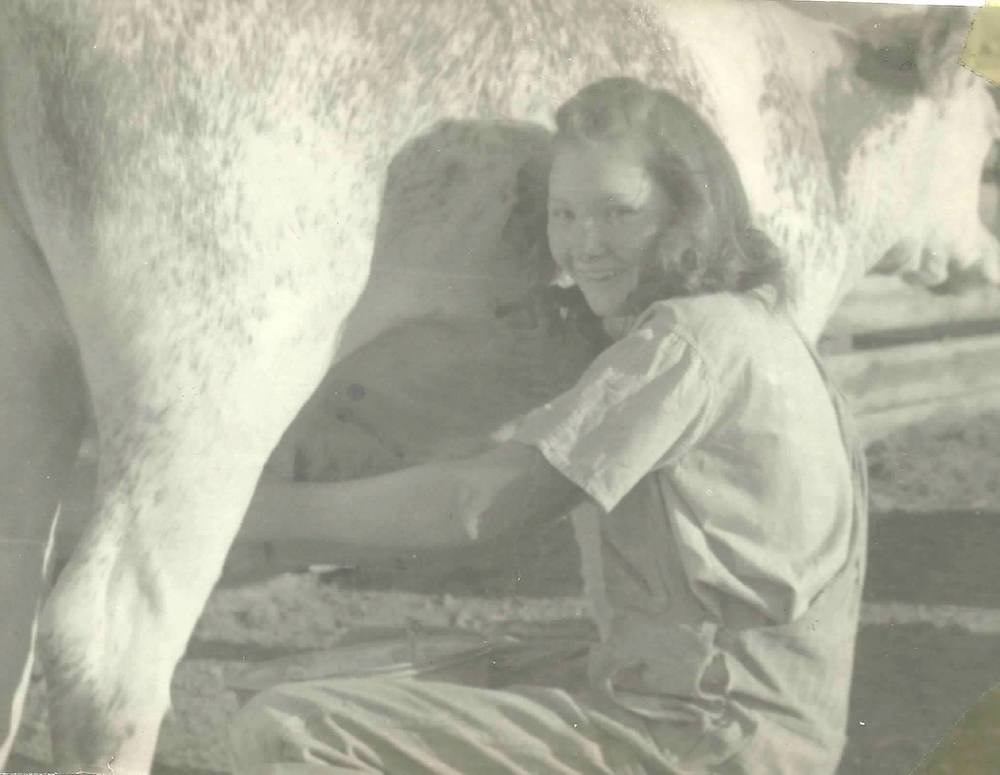
This queen-like woman who dressed and carried herself with such class was a child of the Great Depression. Born in 1931, she was the fourth of the five children my parents were struggling to feed and clothe with no job and no money. When I was in grade school I mentioned to my mother that Minnie always had such beautiful clothes. “It wasn’t always the case,” she said. “When she was your age she had two dresses to her name. I would wash one out at night so she always had one clean to wear to school.”

I learned from watching my sister what it meant to care for people, how to make them feel special and noticed. She did this so well. Maybe it started for her in high school when her boyfriend, an athletic young man and star of the football team came down with a virus. Before it was over, the entire team would be diagnosed with Polio. . .  a terrible disease which left  many of them with life-long paralysis and disabilities. Minnie married that high school football star and with the aid of crutches, braces, and then a cane, Charles was able to lead a normal life. She was a big part of that “normal life” part. She remained steadfast and strong throughout, as well as later in his life when he lost mobility of his legs and feet due to post polio syndrome. She was his rock for 58 years.

 What I remember about Charles from my childhood is that he was witty and smart and his sarcasm was often lost on me. He tended to scare me a little and to hurt my feelings. But Minnie was always attuned to the moment and knew when maybe he had pushed it too far and she cleverly and carefully diverted the conversation to something safer. She was like that.
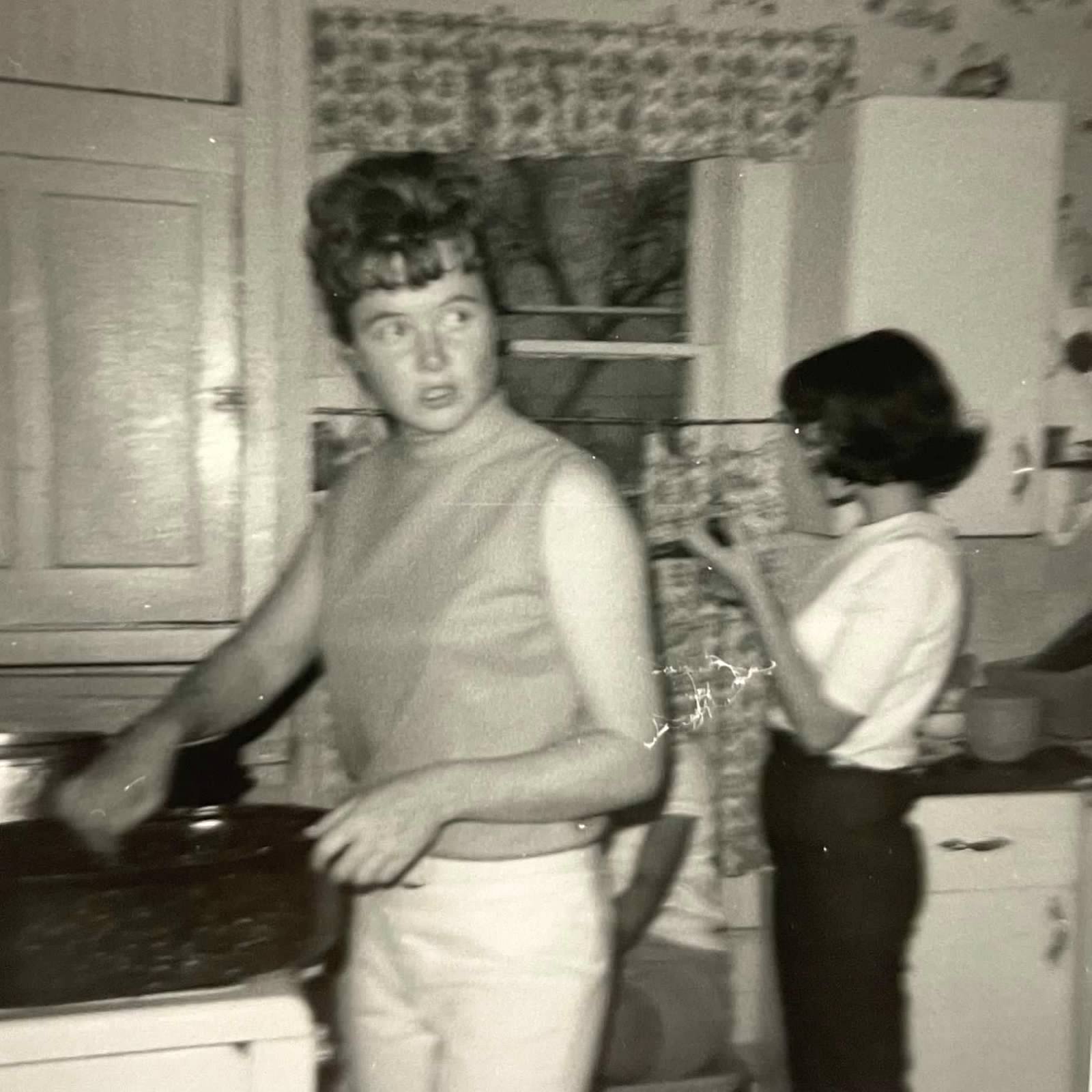
Minnie was one of the most generous people I have ever known. With her time, with her money, and with her attention. I don’t think many months went by that she didn’t drive the eight hours from her farm in Nebraska to our house in Colorado to visit my mother, my sister Lola, and me. She took us out to eat, a rare treat in those days, took my mother to run errands, and took me to buy a new dress for the first day of school or whatever the need was. One Christmas she bought me a HUGE pink stuffed poodle for my bed (something I would never have asked for because of the expense I imagined it would incur).  She asked my mother for her engagement ring setting which had been long been missing its ruby stone and for years had sat naked in Mom’s jewelry box because she could not bear to part with it. Minnie retuned it to her with a new ruby on the next Mother’s Day. She took me shopping for a rocking chair for my high school graduation because she knew I would always need a rocking chair. And the list goes on.

Sometimes her generosity combined with the age gap could create an awkward moment. Paul remembers the time we made a trip to Nebraska for a visit after we were married. We had accompanied Minnie to the grocery store. As we were waking through the aisles, Minnie reached in her purse and pulled out a quarter which she gave to Paul, “Do you want a soda out of the machine?”  “How old does she think I am? Ten?” Maybe twelve, I told him.  

But perhaps the best gift she gave me was her daughter Shirley – one year younger than I. Our worlds were vastly different, yet we were fast friends. Shirley lived on a farm and loved all things outdoorsy, animals, and non-domestic. When Minnie and Charles moved from a house in town to the farm, Shirley was delighted – the farm came with a 30 year old horse named Sugar. Minnie became a 4-H leader and immediately signed her daughter up for” Let’s Cook,”  “Let’s Sew” and “Let’s Groom Your Room” in an attempt to get her off the horse and out of the corrals. Shirley told me once, “I can still picture the old kitchen curtains she gave me to make my quick-trick skirt. I immediately saved my allowance money and paid a fellow member to do my sewing so I could pursue my trick riding.”

When Shirley came to visit me, her mother took us shopping and to Baskin Robbins. Without fail. We rode our bikes to the little store and got Cokes and Dreamcicles and Archie and Veronica comic books and came home to lie on my bed with the big pink poodle and read our newly purchased comic books. And my mother made her peach cobbler because it was her favorite and we pretended we were sisters instead of aunt and niece. 

Shirley had a brother thirteen months younger than her. When he was in first grade his teacher told him he couldn’t come back to school until he had learned to write his first and last name. So Minnie sat him down at the kitchen table one Saturday afternoon and told him he wasn’t leaving that table until he could write Phil Smith on the paper in front of him. After a long and trying session he had mastered the assignment. But as he got up to leave she heard him say under his breath, “I’m just glad my name isn’t Marjorie Spikelmier”.  I’m sure my sister was just as glad. This was the same Phil Smith who climbed the water tower of their small town the week before his high school graduation and spray painted his name on it in huge black letters. When called to the principal’s office and asked to explain himself, his defense was, “Do you think I would be dumb enough to paint my OWN name up there?” Apparently the principal thought exactly that because  Phil was expelled and not allowed to graduate with his class. Instead he could attend graduation at a school in another small town a few miles away.  “Okay,” his mother told him, “but YOU will be the one to call your grandmother who put in for vacation for this date a year ago and tell her you will be graduating next weekend instead.” It would seem Minnie was as afraid of my mother as I was.
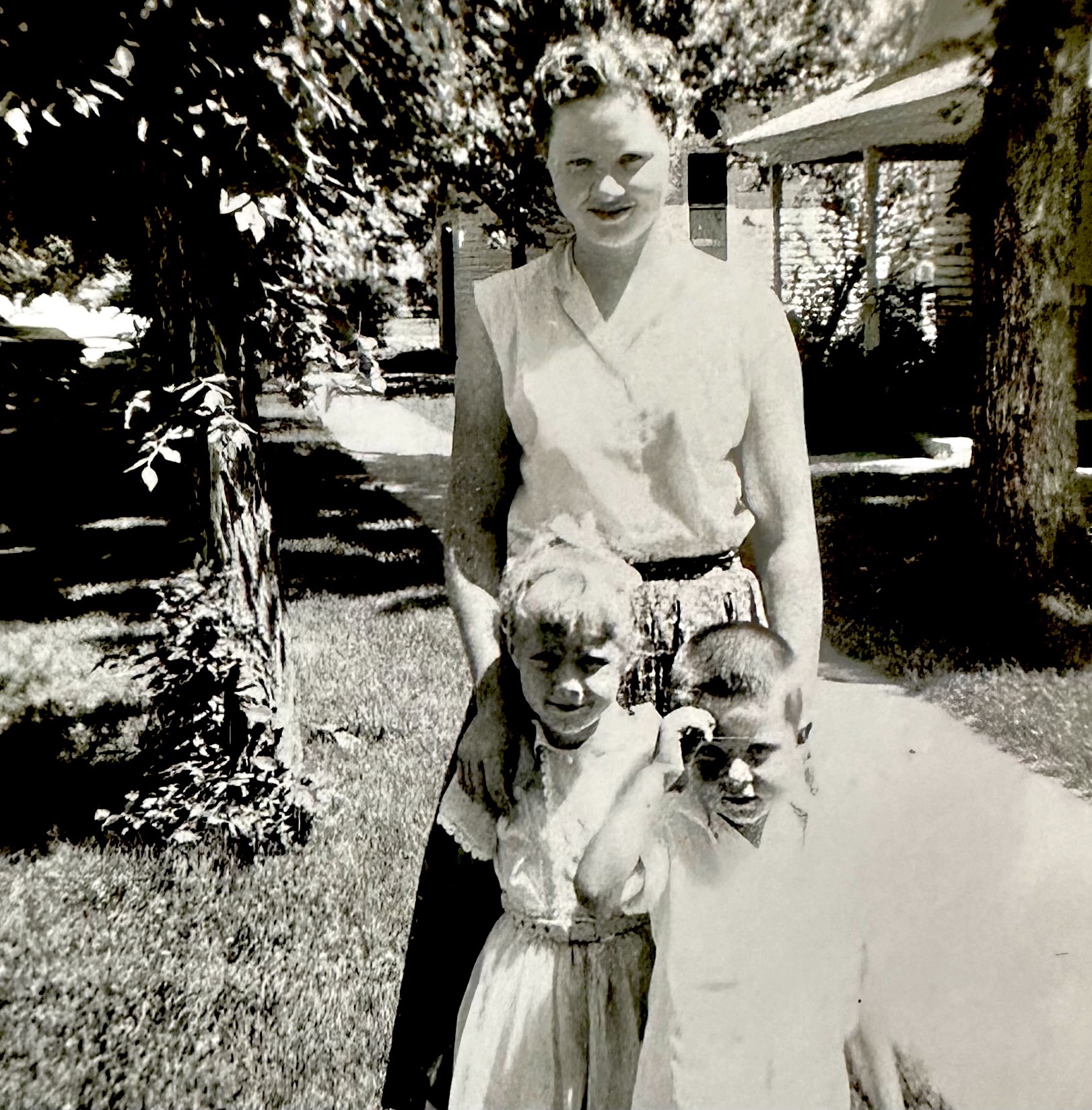
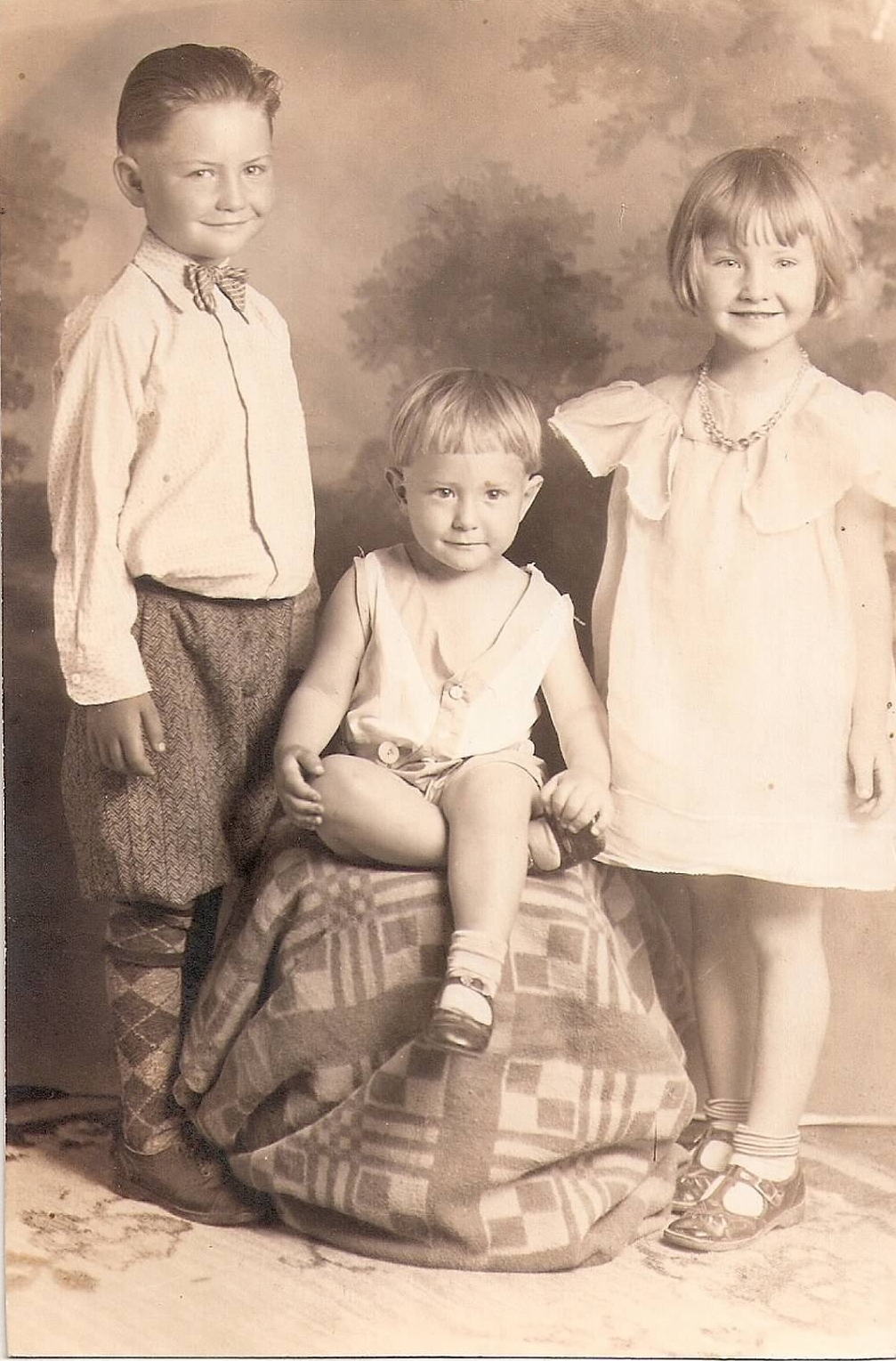
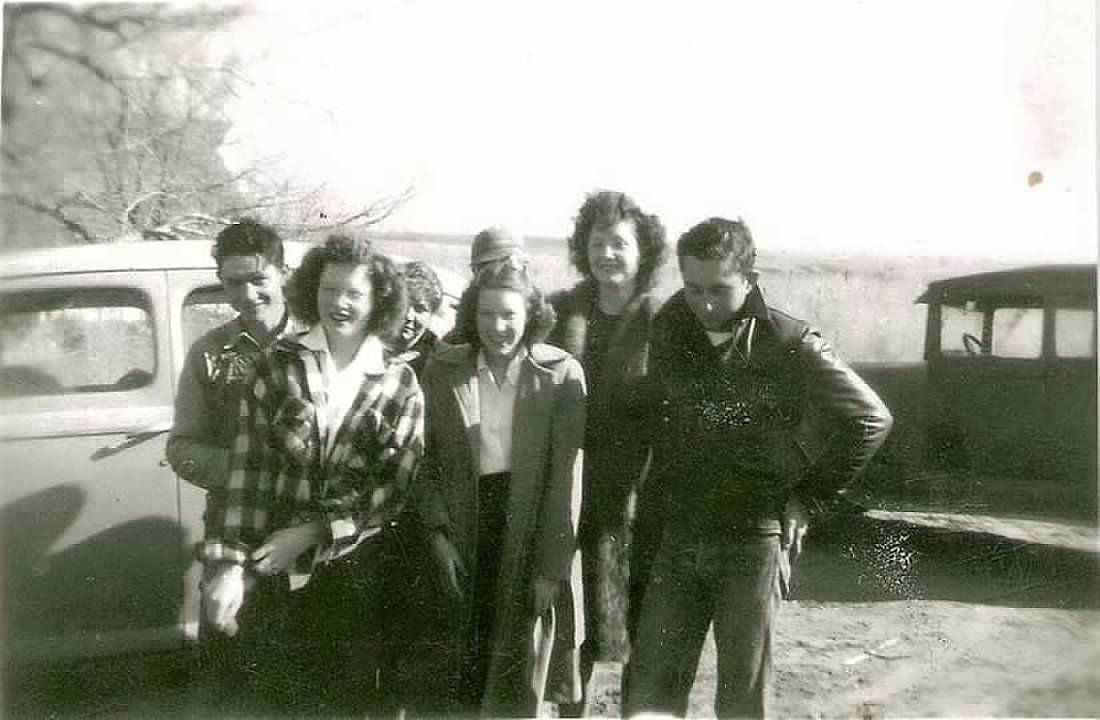
Minne, Shirley, and Phil

Eventually Charles and Minnie left Nebraska for Texas. where the weather was warmer and it was easier on Charles. They owned and operated a feed lot there until they retired, moved to an apartment building for seniors and purchased a camper which they used to  to visit the coastal areas of Padre Island, Corpus Christi, Brownsville, and many other places in Texas and Florida.  Minnie was nothing if not flexible. 

That apartment is where I went to visit her before she died. Our sister Lila and I flew to Texas to see her when Shirley had called to say, “If you’re coming, you might want to come now:” No sooner had we stepped through the door than she led us into her bedroom. “Come in here, girls. There’s something I need to show you.”  She pulled out the ruby ring which my mother had left to her when she died.  “Sherry, you should have this.” She put my mother’s gold wedding band in my sister’s hand. “And Lila, you take this.” 

It was during that visit as I listened to Minnie and Lila and Charles reminisce about growing up together and the pranks my brothers played on them and the stories they told about a time and a place and people who were not a part of my story, that I learned more about her than I had ever known in all the years before. 

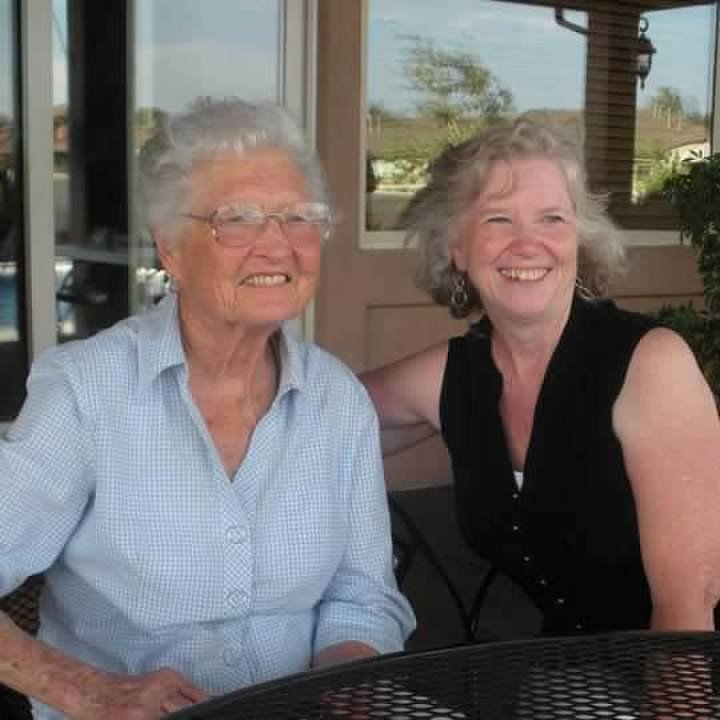
my last visit with her

I loved my sister. But what I discovered as i grew to adulthood is that I didn’t really know her. I had not grown up with her as had my brothers and sisters – had not shared their stories of poverty, of hardship, of war and life on a Nebraska farm. And she was not quick to share any of that. What I came to realize is that Minnie was a very private person. She simply did not talk much about her life or herself. When she was diagnosed with breast cancer, she did not share that information with her daughter, her sisters, or as far as I know anyone but her husband. No one knew when she had a mastectomy or reconstructive surgery. It was not until her doctor told her, “You really have to tell your daughter and sisters; they need that information”, that she shared it with us. When the cancer later returned as bone and then brain cancer, I learned it from our older sister. I called Minnie. “I’m so sorry,” I told her. There was a long pause. “Sherry, I’m so scared.” It was the most vulnerable I had ever known her to be and it broke my heart. 

When Shirley was in fifth grade, her P.E. teacher once had this woman –  the one with the perfect posture, the perfect way of walking through the world, the perfect sense of elegance – to  come to class to teach the girls to walk with style and grace. “Like Minnie.”  She was as close as our family got to royalty.  

She loved being a grandmother.
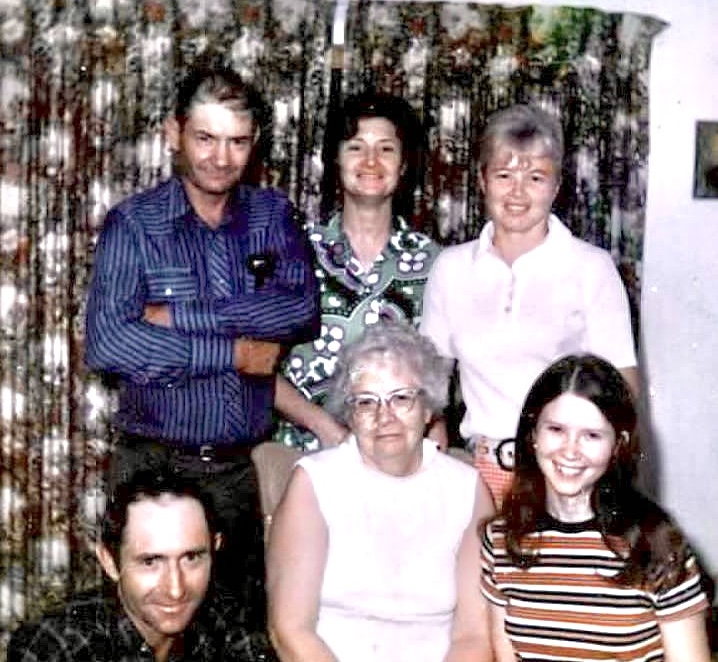
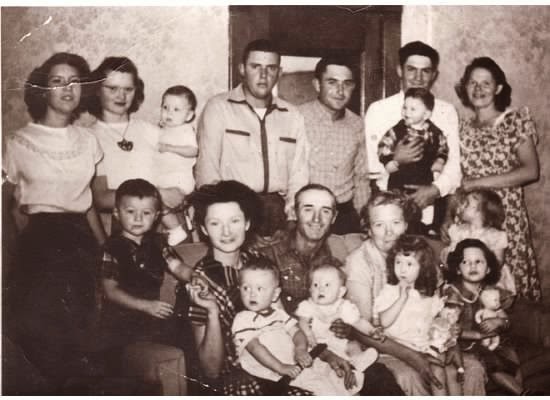
my mother and five of us
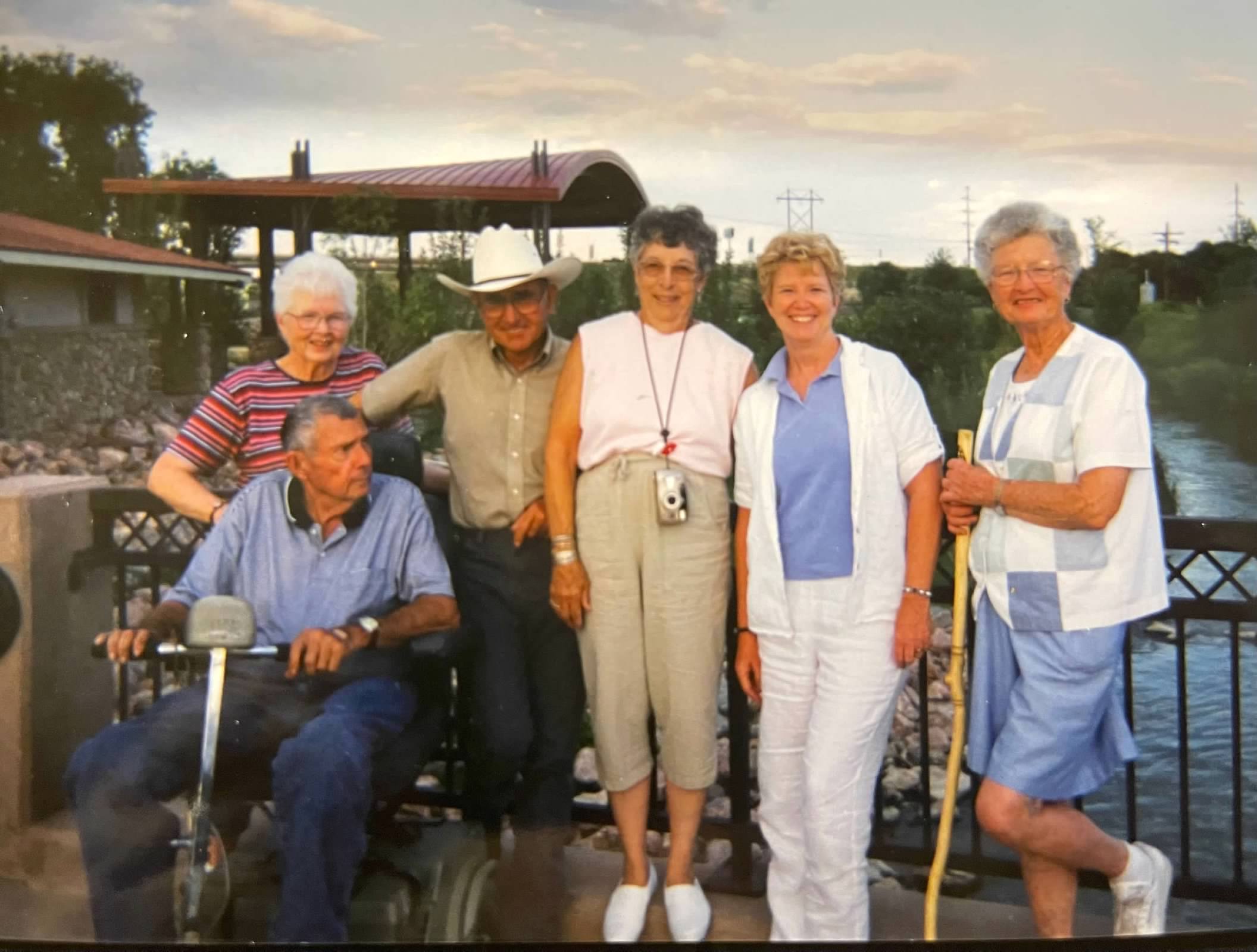
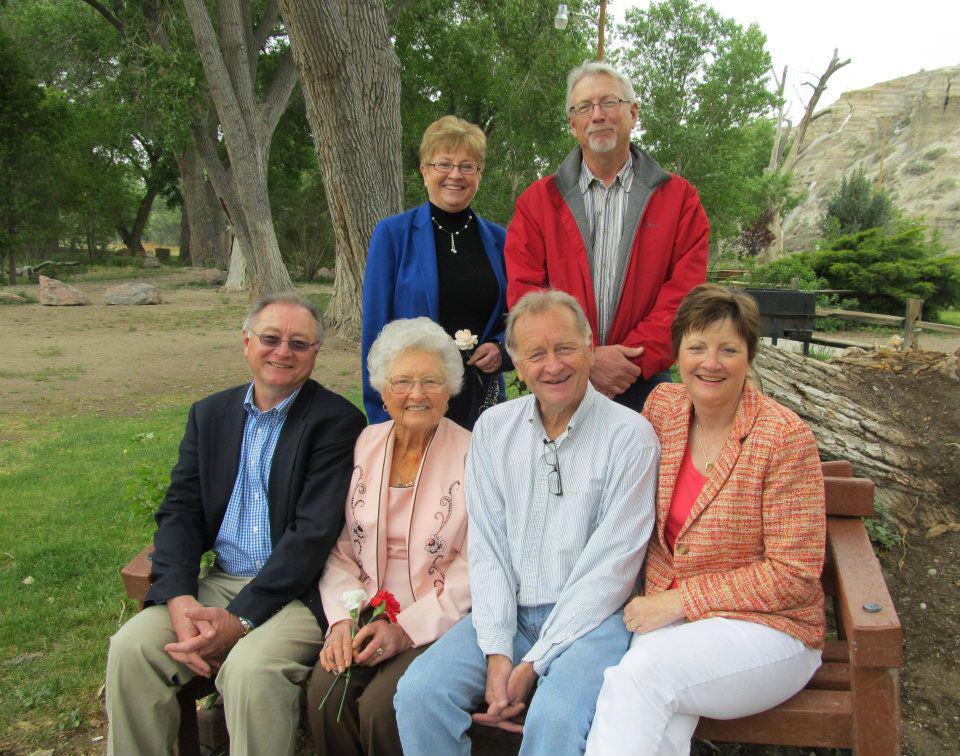
Minnie & Charles, Irvin & Joyce, Lila & me

“You look just like your sister.”
I could do worse.

Thank you to my niece Shirley for sharing stories and details about her mother’s life which helped in the writing of this piece. It helped me to know my sister better and I hope to do justice to her story. 
The Maker and the Keeper of My Memories

Lila and the boys

I, Lila Rae Fletcher Gradisar, was born Nov. 21, 1926, on a farm in Hayes County Nebraska about 6 miles east of Wauneta. I was the first daughter and second child of six children of Hazel Barnes Fletcher and Ray Fletcher. I was born at home . . .  in a very small house having a room which was used for kitchen, dining room and living room and two bedrooms. My earliest memories are of taking our Sat. night bath in a wash tub in front of the kitchen stove. The water of course had to be pumped by hand and carried inside and heated on the stove.”

Thus begins one of my sister Lila’s accounts of her childhood and our family history. When she died in 2013 at the age of 86, we discovered pages and pages of her writings in a trunk in her house. Many were handwritten in Big Chief tablets, some were typed on a typewriter, all contained details of a life and a family that would otherwise have been lost. It was after I returned home from that trip that I started to record and preserve these and other stories that might some day be of interest to my children and grandchildren. 

She wrote of what it was like to be a child, growing up during the Great Depression. Of the struggles my parents had when they lost the farm and struggled to feed their family. Of her first day of school in the one room school house and how she cried when the school burned down over Christmas vacation because now how would she ever learn to read? Of what it did to my family when my brother Don was missing in action in World War II. Of the fear and uncertainty they lived with during the Polio Epidemic. And she wrote of my father’s last days and words before his death in 1954 after a car accident left him paralyzed and lying in a hospital for sixteen days while she and my sister and mother sat by his side. All of this gives me insight into where I come from. And I am in her debt.

My memories of her come much later than any of these stories.

After my father’s death, my mother and sister Lola and I moved to Pueblo, Colorado, where Lila lived with her husband and family and worked as a nurse. Lila’s original plan had been to move to Denver after her high school graduation to attend nursing school, but she delayed this by a year to support her parents as they waited on news about my brother. However, when Don returned home from the War, she was off to live her dream. By the time we arrived, she was well established in her career.

The day after she finished nursing school, she married Tony – the tall, good looking guy she had met on a blind date the year before. The tall part was important to her since she was tall herself. And even after age had put a few pounds on him and grayed her once auburn hair, she always called him Slim and he called her Red. They were married 52 years.

Tony’s parents were first generation Americans who immigrated from Yugoslavia, whose first language was not English, who ate foods the Fletcher clan had never heard of (It was from her mother-in-law that Lila learned to make the Potica that has been a part of every holiday gathering I can remember) and they were Catholic. But whatever conversations came before, by the time Lila decided to marry her tall, good looking guy, my parents had made their peace with it.  

In a letter to my mother explaining her engagement she wrote:

“I was just thinking the other day how disappointing kids must be to their folks. You work like heck for years to get your kids through school, then instead of getting a job and supporting themselves for awhile they get some crazy idea like going to school for three more years.You think now after this is over they can really make something of themselves etc. so as a last straw they get married the day after they finish. Gee this all could be so much different. You could refuse to speak to me and make a big fuss about it. I want you to know how much I appreciate you being so swell about it …

Much later Mom told her, “I’m glad you and Tony are of the same religion and are raising your kids in the church. I wish we could have done that.” My mother was a Methodist and Dad was Church of Christ, but apparently “church” was not something they did together as a family. By embracing her husband’s rich Eastern European culture and faith, she brought together their two backgrounds and her children were better for it, as were we all.

In Lila’s writings I see the woman I came to know much later in her story:  tenacious yet gracious; determined yet flexible; deeply committed to family and also to her career and her community; selfless yet understanding of the need to take care of herself; and a life-long learner. 

Like the little girl who cried when her school burned down, she never lost her love of learning.

In her retirement, she traveled with senior groups to places all over the world, staying in “elder hostels”. She joined a women’s investment group and learned the stock market. When her aging joints complained about her continued participation in the Senior Running Club, she contacted the local Agency on Aging to ask why Pueblo didn’t have a program for Senior Walkers. “Because no one has started it.” And so of course the Senior Challenge Walkers was born. She believed that the camaraderie and friendships were as important as the exercise “and of course, the nice breakfasts”. When she was no longer able to be a part of the walking part, she still met club members for breakfast after their walks.

My sister never learned to swim – if I remember correctly she had a terrible fear of the water, perhaps stemming back to being thrown into the lake by our brothers to “teach her to swim”. But in her 40’s she was determined to learn, so she signed up for the beginners adult swimming class at the local pool. After one four week session she had made very little progress. The end of the second session found her no further along. She registered for the third session. When the instructor saw her walk in he sighed. “Lady, you don’t need a swimming instructor, you need a psychiatrist!” But learn to swim she did – at least enough to feel comfortable in the pool with her grandkids.

She started attending her first Bible study in her 70’s.

When her son moved to Washington state and started having children, she researched how to stay connected to grandchildren who live far away. How do you even do that kind of research before the internet?! But she was the most connected grandmother I ever knew.

She took a course through the county (one of many she did over the years) about recording your memories and this is when she began writing the papers that we later found in the trunk.

I remember one year showing up at her house for a Thanksgiving or Christmas dinner. Up to this point holidays had always meant that the women spent the day in the kitchen cooking and cleaning up, the men spent the day in the family room watching sports or napping, and the kids did whatever they chose. This year Lila was standing at the door with a bowl of folded up papers, with a task written on each one : set the table, bring the chairs up from the basement, clear the table, wash the pots and pans, load the dishwasher, put away the leftovers, sweep the floor. . . and so it went. And nobody got by her without taking a paper. She just woke up one day and decided – this is crazy! Things have got to change. And so she changed them.

Like I said – a life long learner.

Lila had five kids, one a year older than me. We grew up together and though we lived on opposite sides of town and attended different schools, we spent a lot of time together. All my childhood Christmases and Thanksgiving were spent at their house. She would often stop on her way home from work on a Friday and take me to her house for the weekend where I would have playmates. Any “vacations” I took as a child were with them – usually to Nebraska to visit family but once we went to a cabin up in the mountains for a week. One summer the boys worked really hard selling  magazine subscriptions  to earn their way to a summer camp. But when it came time to go, they backed out so my niece Kay and I got a free week at sleep away camp.  I’m not sure we really liked it all that much but when we got home we were quick to tell the boys how great it was! 

She got me my first job the year before I started ninth grade – nannying for a friend of hers with five kids under the age of six. She helped me make craft kits and games to play with the kids to keep them entertained. I would stay at Lila’s during the week and she would take me to my job and pick me up and then take me home on the weekend. I don’t know if I ever worked harder at a job in my life. But with my earnings I bought myself a new dress that my mother would never have bought for me because it was so expensive and wore it  to my first day of Junior High and I could not have been more proud.  

When my nineteen year old, newly engaged self announced that I was getting married, my sister Minnie came from Nebraska and she and Lila jumped into the wedding planning – I’m sure to spare my my mother. “Where is the wedding going to be?” they asked. I explained we would be married at the church Paul and I were attending. “How big is it?” Plenty big. “How many guests? Hmmmm, maybe 100. 150 tops. (I think 200 showed up) “Where will the reception be?” The church basement. And this is where the sisters exchanged worried glances and suggested we go take a look. The church basement had a few small Sunday School rooms around the perimeter of a small “Fellowship Hall” that fit maybe 50 people. Minnie said, “Oh, Sherry, this won’t work. Let’s look for a reception venue somewhere nearby.” No. We’ll do it here. There were other suggestions made and I vetoed them all. Then Lila said, “Sharon, we cannot have the reception here. This is not an option.” To which I said, “Fine. We can have it at your house.” And that’s how it came to pass that Lila spent the summer of 1969 repainting, re-carpeting, and redecorating her house. A house, by the way that was NO where big enough to accommodate the guests. If it had not been a beautiful September evening where all the people congregated and mingled outside, I have no idea what would have happened. God bless her. And I’m sorry.

Her legacy

I asked one of her daughters what she thought her mom would name as her greatest accomplishment. “I think she’d say it was raising kids who all like each other and became friends. And her bond with her grandchildren. ” I would agree. I love that every Sunday her kids, even to this day, get together for breakfast. I could wish for no better legacy.

Someone once said to me, “When I watched her with Nick. I was sure he was her favorite. But then I watched her with Ray, and I thought – no he’s the favorite. Until I saw her with Kay or Greg or Mary Jean. And finally I realized – they were ALL her favorite.” I hope somebody will say that about me someday.

She was the keeper (and the maker) of my memories. She told me stories of our family before I was a part of it:  the events that shaped my parents into the people they became and who my father was before he died and my mother before she grew old. She told me stories so that I would know who my siblings were as children and she included me in her own tribe of five, making a place for me and trying to help me find an identity in a family where my siblings were the age of my friend’s parents and my nieces and nephews were more like cousins.

By watching her I learned that it’s not okay to settle. That you have to fight for the life that you want whether it means leaving your small town and striking out for the big city to become a nurse, being a working mom before it was in vogue, or learning to swim and ski after you retire. She taught me that you do the right thing – even when it’s hard or inconvenient: caring for an aging mother, a handicapped sister, a grandchild in need  of a fresh start. She taught me  to embrace tradition and welcome new adventures.

She was the nurse who helped my mother birth me into this world and one who knew my story from the beginning.  And now it is left to finish the story without her.

It’s Complicated

It’s not a story, really. Yet perhaps it is the beginning of all the stories.

I had a conversation with my eight year old granddaughter a few days ago. She was having a hard time watching her twelve and fourteen year old sisters at a party with their friends and realizing, not for the first time, that she did not belong in their group.

“Nana,” she asked me with tears spilling out her eyes, “Were you the youngest in your family?”

“I was” I told her.

“Did you feel left out?”

“I did,” I said.

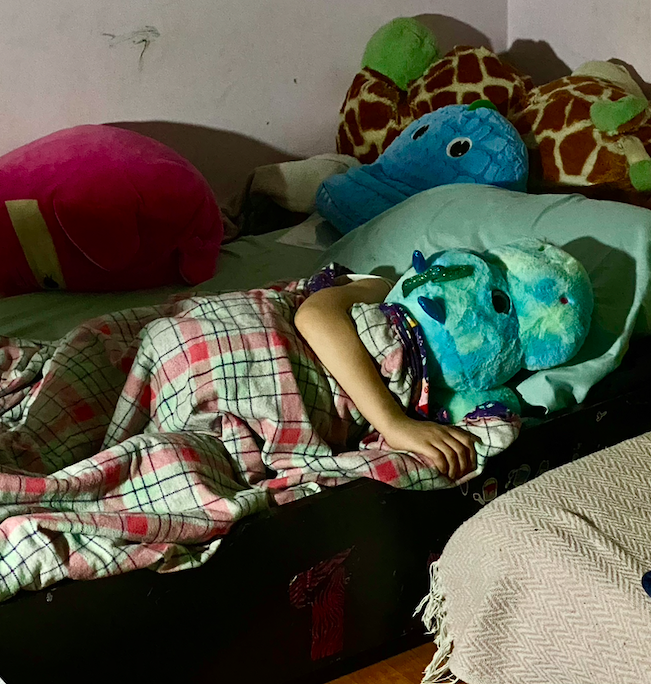
And then we went to Walmart and bought a blue dragon off her Christmas list and it didn’t fix anything, but sometimes you just do what you can do.

So I have been thinking about family dynamics and how we are shaped by these very complicated relationships.

I am the youngest of six (by a whole generation) and Paul is the second of eight. Needless to say we had very different childhoods. But then there is the family we made together, and they too had very different childhoods.

I know because they have told me that our six kids feel they grew up in different families. They feel that way because it’s true. The first four were all two years apart, were raised by very young and very poor parents and were shaped by who we were then and by their own experiences of those years. The younger ones came six years later, were raised in a more traditional church by older and sometimes more relaxed parents. Depending on your perspective, you missed out on the advantages the other group had. The older ones took note that the younger ones had rooms to themselves and opportunities that they missed out on. The younger ones missed out on the memories that the four shared that they would never be a part of. But what I know, and what we all know if we are honest, is that families, no matter how well intentioned, inflict wounds on us which are not always obvious to those on the outside or sometimes even to those on the inside.

Yet when we come together as adults, those are not typically the stories we tell. Rather we tell the ones that remind us that, for better or worse, we belong to one another and we try as best we can to find commonality and kinship perhaps in spite of, as much as because of, our childhoods.

I also know that sometimes families fracture. Sometimes those fractures heal and sometimes they don’t. And who is to say the how or the why? Perhaps only God knows.

I am grateful that as adults, my kids are figuring out how to care for and support one another across the age differences, woundings, physical miles and sometimes differing ideologies. And I am so very grateful that this Thanksgiving these guys will come together from three different states with various and sundry littles. To tell the stories, to make new memories and to continue to bridge the gap.

So hang in there, Tacy. You belong more than you think you do. And the story is not over yet.

The Wookiee

a guest post by Sean Abbott:

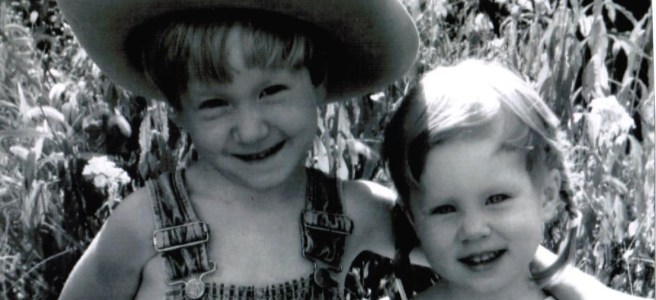
The way the rest of the family tells the story, the reason she was relegated to play the Wookiee in our Star Wars games of make believe was because of the rust color coat she had and her red hair. Okay, that might have been part of it, but the real reason was that she was my partner and what is Han Solo without his partner, Chewbaca. And yes, I did play both Han AND Luke but I was the ONLY brother and besides, it was my game: I would play the hero (Han) and not for the first or the last time, she would be my partner. It is my first clear memory of her.

christmas

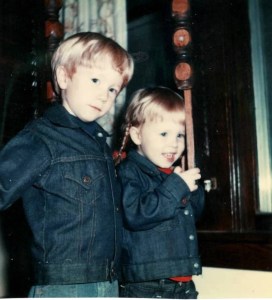
She was my first sibling and my first sister. She was my first friend and my first playmate. I’m sure my parents told me before she was born that my life was about to change, but I was too young, and that is too long ago for me to remember. I have many early memories of her, but as I grow older, the exact sequence of events gets hazy. I do have some very vivid memories of a Christmas morning many, many years ago in Lawrence, Kansas. We lived on the second floor of a two story house. The living room was wallpapered. In my memory there doesn’t seem to be a lot of paint in the early to mid 70’s – just wallpaper.  Regardless, the wall paper was a mist green with a pine cone / pine tree / pine branch print. There was a beautiful Christmas tree set up in the room and we (the kids) were opening presents.  I sat opening presents with her.  Nothing really remarkable or worthy of a memory maybe, but we sat together in the room with the pine cone wall paper and she was there.

Image (108)

It was in that same house that Tabi got shocked by the electrical outlet. Same room actually.  Now there is some debate on the exact sequence of events.  Tabi claims I challenged her to stick the key in the outlet. I plead the fifth. I was too young to really understand the consequences of what had happened, but I do know that after she stuck the key in the outlet and all hell broke loose, I was acutely aware of the pain my sister was in, and I knew that this was (a) BAD, (b) I didn’t like it, and (c) I was very scared for my sister. Fortunately for both of us and for the partnership, she didn’t die and I didn’t get in too much trouble. I have other memories from that house with her, most of them involving riding tricycles and playing in the trees in the back yard / alley area.  And picking mulberries with her. We used to spend hours picking mulberries together.

IMG_9995


As the years rolled on, Tabi continued to be my partner.  Of course we fought, like all siblings do, but how many times had we seen Han and Chewie in a heated argument (even if we never really understood it)? That was us. We fought constantly (even if no one understood it), but we always made up.

As I grew older and we no longer played Star Wars on a daily basis, Tabi was the first one that I confided in about my life.  Usually it was my crushes, but as a young boy, what else is there in life?

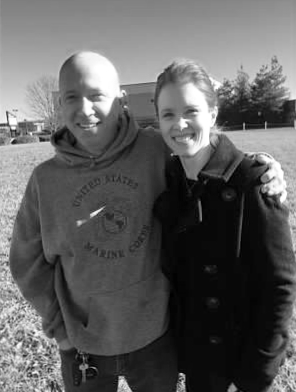
When I joined the Marine Corps, Tabi continued to be my partner.  In the fall of 1991 she drove down to Camp Lejeune to pick me up and bring me home for Thanksgiving. A 14 hour drive there and back (who thought that was a good idea?)  She didn’t make the trip down to Lejeune often, but she was frequently the one who volunteered to pick me up where my ride dropped me off on many a weekend, whether it was in Maryland, the Eastern shore, or West Virginia. I never truly appreciated the sacrifice that she made to do that, but as a result of those times together, we continued to grow closer.

Once I got out of the Marine Corps, we even made a few additional road trips together.  I have vague memories of the two of us almost crashing a car – a memory in which a spider played a major role. To this day I can’t remember who was driving, just lots of girlish screaming and a smashed spider that ended up on the ceiling of the car. One of the screaming voices in the car (the louder one) may or may not have been my own.

As I grew older we continued to grow closer.  Even after I was married, and during the times I struggled in my life and I felt that I was all alone, she was consistently the first one to reach out to me, let me know that she loved me and that she was there for me. Her compassion for me during those times was a testament to her name. In Hebrew, the name Tabitha means – beauty, grace – from the Aramaic word for Gazelle.  She has been the definition of grace.

Now that we are both adults, she continues to amaze me. She is an awesome aunt to my three boys.  She deeply and truly loves them as if they were her own. She is an amazing friend to my wife and loves her as a sister and a friend. When I was injured in an accident in 2014, she took time off work and out of her schedule to drive down to North Carolina to take care of me and my injured Marines, allowing us to heal, and providing the extra support needed for our family during that time. And trust me when I say that cooking and caring for three recovering Marines is a monumental task – one she performed with grace. Chewie himself could not have not done it better.

We both still love Star Wars (and with the recent movie there have been many texts and phone calls), but we have also expanded our love for stories. While Tabi was taking care of me and my fellow Marines, I got her hooked on The Arrow and The Flash. I don’t talk long on the phone very often to anybody. Except Tabi. Every so often I call my partner to discuss the latest plot twists in our stories.  And those phone calls I truly do enjoy and love.

She was born two years, two weeks, and two days after me which makes today her birthday.

So to my sister, my friend, and partner:

AAAUUAAAUAUAUAUAUUUH AHRGURHGUUAAUURGUAAUUWUHUAAAUUUH AURGUAAAUHRGURHG!  AGURUHUUUAAH UAUAUUAAUGHAUAUAUAAAUUAAUGHA UURGUHUU UARHUARGUGHUUAUA UURGUHUU UAAUUUUHUAUAUGHAUUAAUUARUAUAUAAAUGHRUGHA!!

Which translated from Wookiee means Happy Birthday, Tabi. Now prepare to jump to hyperspace!!”

ry%3D400