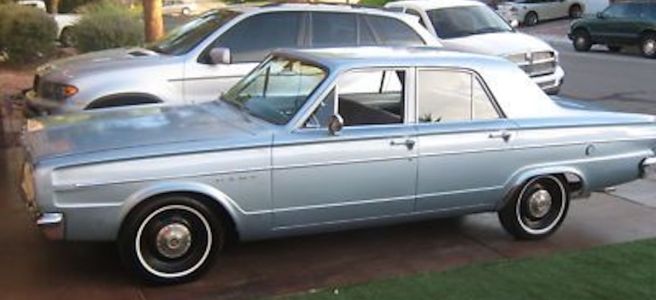
or “the day my mother and my 16 year old self went shopping for a new car.”
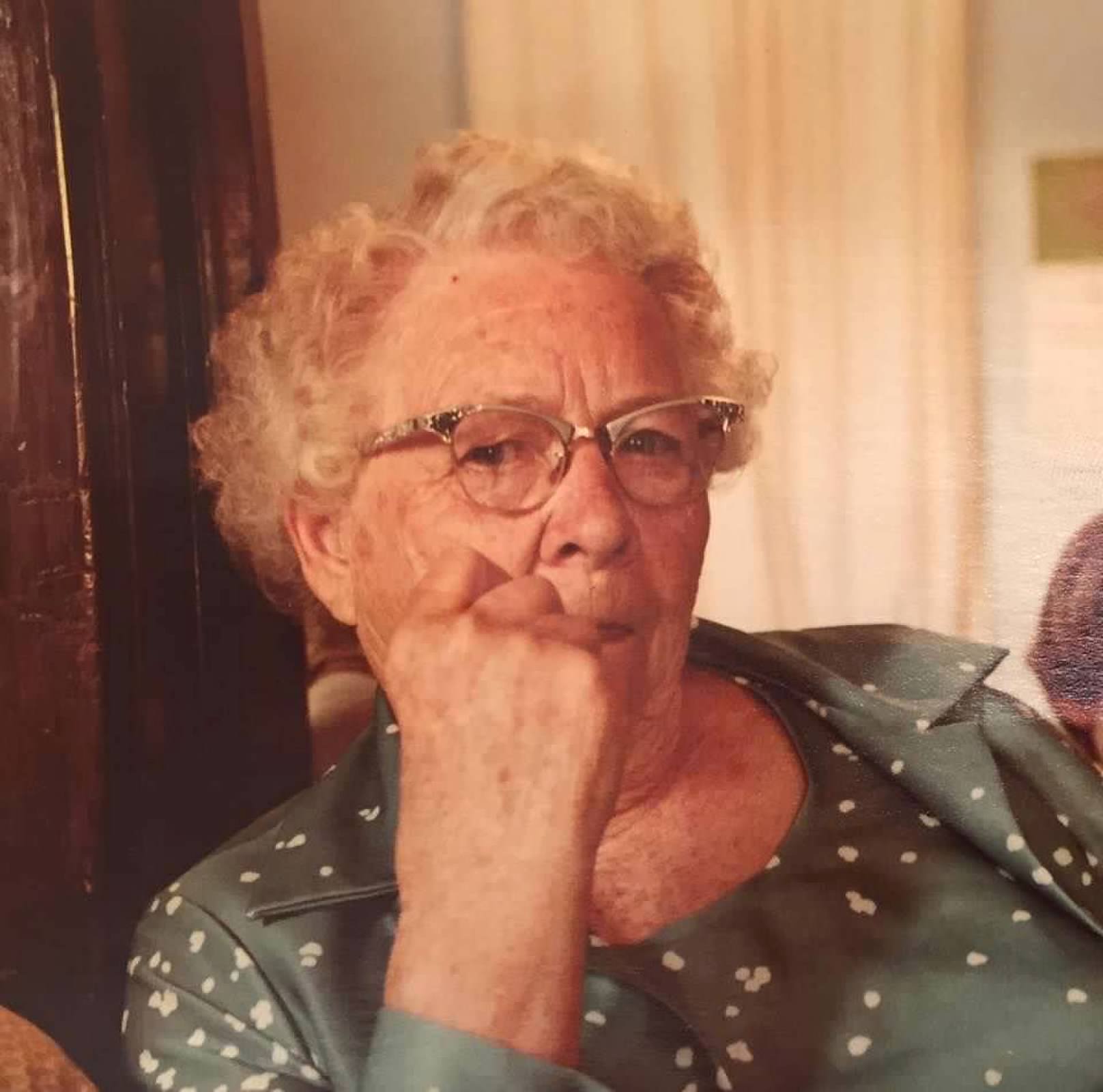
I was raised by a single mother. In the 1950’s. In the days when June Cleaver and Father Knows Best came into our living rooms on black and white televisions. But my mother. . . well, my mother was not June Cleaver.
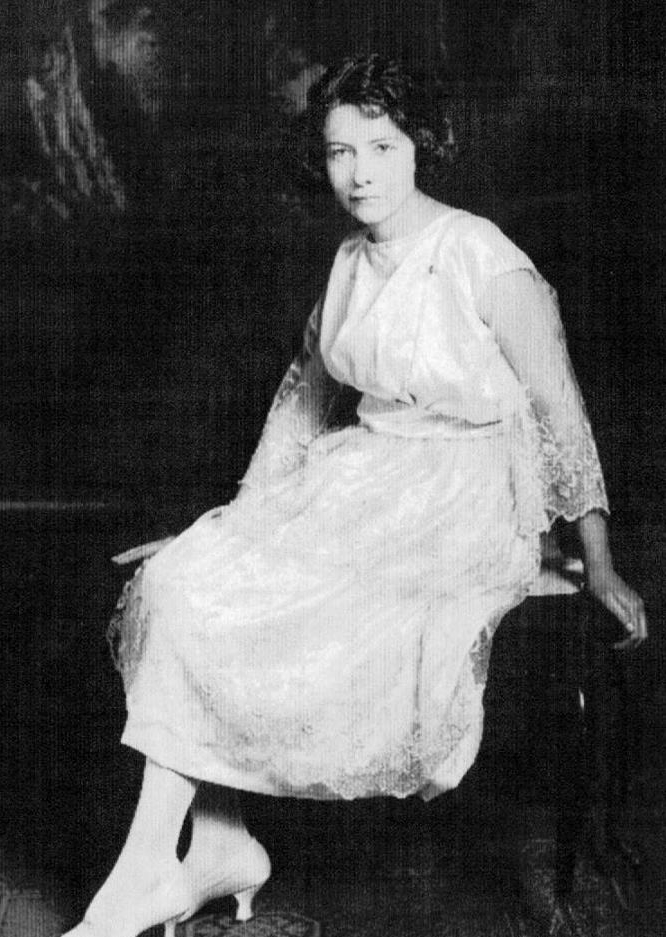
She was born in 1903. At 17 she became a teacher in a one room school house in a farming community in Nebraska. She married a farmer when she was 20 years old and became a mother at 21. In the next 10 years, she had four more children, one of whom was mentally and physically disabled. Every day she cooked a mid day dinner for the hired field hands – on a wood stove – in a house with no running water and no electricity. She drove a tractor at harvest time, planted and cultivated a HUGE garden every summer and canned the produce to get them through the winter months, She baked bread, corn bread, and biscuits to go with the butter and jelly she made. She milked cows, raised chickens, churned butter and when the Great Depression threatened their lively hood and very existence, she cleaned houses to pay the doctor. My mother was fierce.
When My father died in a car accident in 1954, leaving my mother with a four year old daughter, a 21 year old daughter with disabilities, and a farm, she sold the farm and she and my sister and I moved to what must have seemed to her a different planet. We left the plains of Nebraska for the mountains of Colorado. Country living outside a small town for a city where she could find work. We left everything that was familiar and loved for a place which was strange and unknown. She traded the life of a farm wife for the life of a single parent so she could provide for her family. But like i said, my mother was fierce.
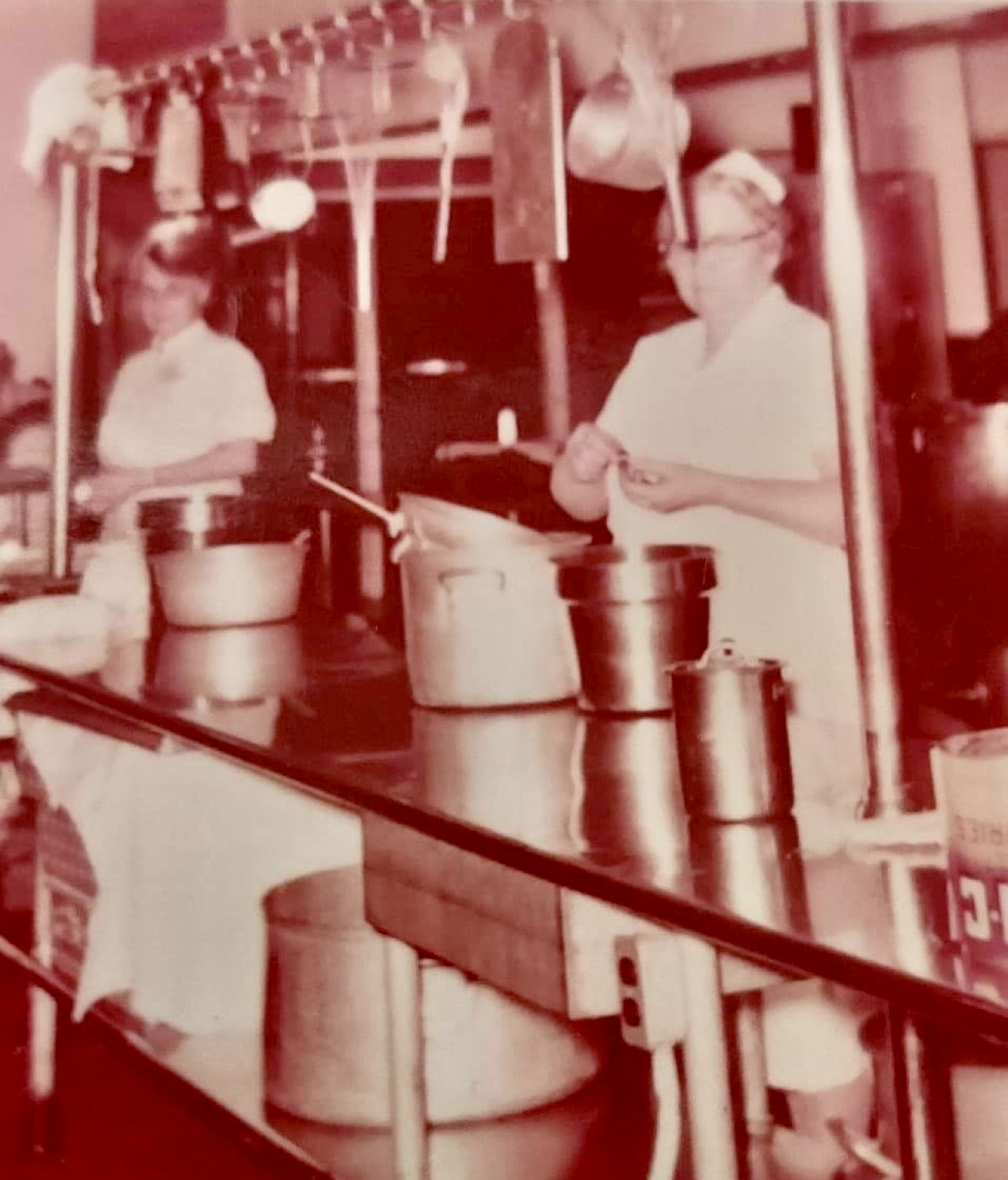
We rented a small, one bedroom apartment and she cleaned houses until she could get established and find a more permanent, better paying job with benefits. We lived frugally and my mother saved until she could make a down payment on a house that was within walking distance of the hospital where she had secured a job as a cook (all those years of cooking for farm hands paid off!) Our home needed to be within walking distance of her job because, of all the things my mother could and would do, driving a car was not one of them. When we needed to go to any place that was not within walking distance, we took the bus. A neighbor who lived across the street took us grocery shopping with her every week so we didn’t have to to lug our groceries home on the bus. God bless Annie Brooks.
I remember when I was in grade school and my sister Minnie would visit from Nebraska with her daughter who is a year younger than me. At least once during the visit we would go “downtown” to go shopping. My niece Shirley always begged to take the bus, which to her was part of the adventure in the city. I begged to take the car because I was sick of the bus: walking to the bus stop, waiting for the next bus, transferring to another bus, and then walking the three or four blocks to the final destination from the drop off spot only to do it all over again at the end of the day. But she was the guest so we took the bus. I’m sure the only reason I didn’t spoil the day for everybody by being sullen and grumpy was because my sister promised that after we got home she would drive us to Baskin Robbins for ice cream. Which was a real treat since the bus didn’t go to Baskin Robbins!
The day I turned sixteen my mother enrolled me in Drivers Ed, and the day after I got my license we took the bus down to Santa Fe Avenue which is where the big car dealerships were located. Lest you think I had the coolest mom in the world who would buy her sixteen year old a brand new car for her birthday, let me be clear. This was about providing transportation for my mother; the car would belong to her. I would drive her to the grocery store, to the doctor, and any other errands that she needed to run. In return, I would be allowed to drive it to school and back.
So she had done her research, knew exactly what she was looking for (I never knew what her criteria was but she clearly did), moved money out of her savings account into her checking account and with her checkbook in her pocketbook, we walked into a dealership where she was going to pay cash for a brand new car. So here we stood: a 63 year old woman who had worked the late shift the day before and looked it and a kid in her mini skirt and white go-go boots. We were quite the pair.
A group of men in plaid sports jackets stood to one side of the showroom, chatting and drinking coffee. A man and his pregnant wife were flanked by one of the jacketed salesmen as they eyed their prospective new car and discussed the ins and outs, pros and cons of the latest and greatest station wagon. The overly-friendly, extremely attentive salesman assured them that this beauty had just been on the floor a couple of days and would be gone by Monday if they didn’t act now. Wouldn’t they like to take it for a test drive?
My mother and I walked around the showroom and looked at some of the cars. I sat behind the wheel in one of them and imagined me and my friends cruising Main and hanging out at the Freeze. My mother stood there, watching the men laughing and drinking coffee. Finally she said to me, “Come on, let’s go!” “But wait, we haven’t bought a car yet! Why are we leaving?” I complained as I trailed after her. We walked out the door and down the street toward another dealership. “What’s wrong with you?” I snapped at my mother. “Let’s go back in and just tell them we want to buy a car.” My mother stopped walking and turned to me. “If we had walked in there with a man, there would have been a salesman at our side before we got both feet in the door, ready to help us. But they didn’t even see us. We’ll take our money to the next dealership down the street.” And we did. By this time my mom had spent twelve years feeling unseen as a single woman. And she wasn’t having it.
What she didn’t say to me that day, but what I now hear in that memory is: “You may just be an old woman or a young girl, but that doesn’t mean you don’t matter. You have worth and value. As a woman, as a human, you matter. You are enough.”
And if you’re wondering – we did buy a car that day. It was a blue and white four door Dodge Dart with a V-8 engine. The sticker price was $2400 which in today’s dollars would be about $21,000. Gas was 30 cents a gallon. And while I would have rather have had a Mustang, I spent many happy hours running around in that car with my friends, hanging out at the Freeze and yes, taking my mother to run errands.

June Cleaver had nothing on my mom.


 because our stories matter