
Over the course of my lifetime, I have lived in six states and twenty two houses (not counting various summer lodgings and a brief stint in a ‘59 Ford panel truck), and I expect that I have at least one more move in me before I land at my final resting place. Sometimes I sort of feel unanchored by my lack of roots or the fact that there is no one place that I think of as “home”.
There is the first house we lived in together as newlyweds and college sophomores. The one with the slanting living room ceiling that went from seven feet at one end to five feet at the other end and where we wore out our Simon and Garfunkle albums on our new hi-fi. Where we fought and forgave and learned to be married.
There is the house where we hung a giant crystal chandelier in the entry way of our our upstairs apartment and drug the table out of the kitchen when we had guests so we could dine under its brilliance.
There is the house with the pine cone wallpaper that shows up in the kids earliest memories. . . except they all put the room in different houses. But it keeps showing up which makes me think it was ugly enough to leave an indelible impression.
There is the house we rented because it had a living room big enough that we could hold church services there and we shared it with three single women who lived in the basement. It had a little room upstairs lined with windows which is where our first “school room” was and I taught several of my children to read. It’s where I cross stitched the dozens of Christmas tree ornaments with the names for Jesus that still hang on our tree.
There is the house that had an indoor swimming pool where we taught the two year old to swim. A sauna that she called “the warmer” and a fireplace that didn’t draw so that all of our clothes smelled like Eckridge Farm smoked sausage.
There is the first house that we bought instead of rented. We were forty years old with six kids and a dog. And now we were homeowners. We lived there for fourteen years, longer than anyplace else we had ever lived. It was a palace to us with a big yard and a deck and a strawberry patch. The walls of the living room were painted a country-blue which was in vogue at the time and I loved it. It had a fireplace and three full baths and five bedrooms. It was in the family room of that house where a little team of people gathered to pray about starting a new church. Before long we turned one of those bedrooms into the “church office” and it was in that living room with the blue walls that we folded church bulletins every Saturday night and had Women’s Breakfasts every month. It was in that house that Cedarbrook Community Church was born.
There is the two bedroom house where I grew up – the home of my childhood memories. There was a rocking chair in the corner of the living room where I did my homework, watched the black and white television with rabbit ears, talked to my friends on the phone, and dreamed the daydreams that young girls dream.
There is the house where we live now – just the two of us. The one where we asked the builder to take out any walls in the downstairs living area that were not load bearing so as to accommodate the table made to order by Amish furniture makers. The table that would stretch across the whole length of the room and where we could sit with friends and family over a meal and recount the stories that bind us together. The house where we added bay windows and skylights because the more light the better and where, though we had no idea what we were doing, we somehow managed to create this magical secret garden of a backyard.
And yet . . .
Last summer we made a trip to Nebraska to see my family. It’s where I’m from: this land of wheat fields and sand hills. Of windmills and wildflowers. Of farmland and cattle ranches. It’s where I was born, but I feel no real kinship to this land. I have no memories of it as a child and no real understanding of this way of life or how it matters to the rest of my family. But as I grow older there is a longing to connect with this past and this place.
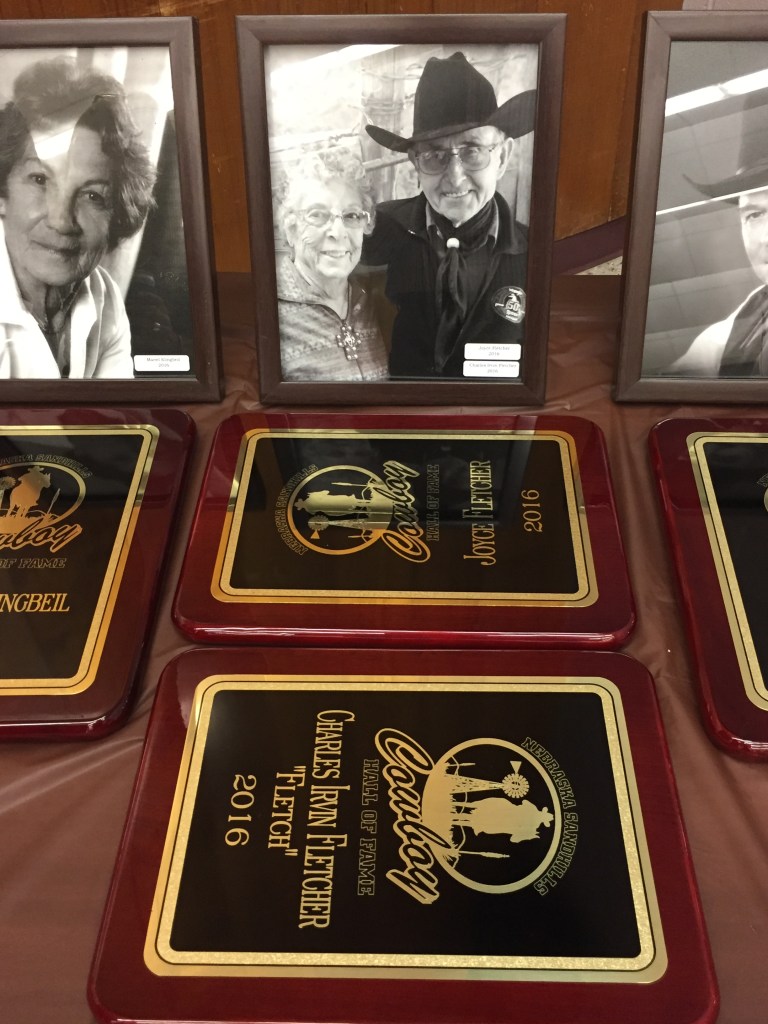
I have heard the stories – mostly from my mother when she was living. The stories of how my parents were farmers who had a dream of owning their own place, but it never seemed to work out for them. Just when they thought they had saved enough to make it happen the drought would come, or the flood, or the depression, or the war, or . . . But then when their family was grown (all but the late-comer who was only two and named Sharon) they saw a way. Outside a little town called Wolbach, they bought a farm. This Nebraska farmland had been home to them all their lives, and now they owned a piece of it. My oldest brother Don and his family moved in with us and together, he and my dad worked the farm and when my brother Irvin returned from Korea, he joined them. It was the family business, this love and care of the land.
When my father died two years later and my mother had to sell the farm, we moved to southern Colorado where I had a sister who thought she could get Mom work to support us. I have no memories of a life before the dessert of southern Colorado and the wild, rugged beauty of the Rocky Mountains that surrounded us. I couldn’t relate when my mother talked about the wheat that looked like copper pennies when it was ripe for harvest. How the fields were green as far as the eye could see when the crops came up in the spring. How the corn fields marked the passage of the growing season with their changing tassels waving in the summer breezes. And how she could see it all from her kitchen window of that farm house.
She told me once that when she visited my sister in Colorado for the first time (it might have been her first trip out of state) as the bus pulled into Pueblo with its steel mill and monochromatic landscape she said out loud to herself, “Why would anybody want to live in this God-forsaken land?” By the time I can remember, my mother had made her peace with living in the place that God had forsaken, though I don’t think she ever stopped missing “home”.
There is no place for me that is like that. I liked some of the places we lived. . . others not so much. I have fond memories of some of them, but truth be told sometimes I get mixed up whether such-and-such happened in Kansas or in Illinois or if it was the house on First Street or the one on Columbia Street. It sort of all runs together.
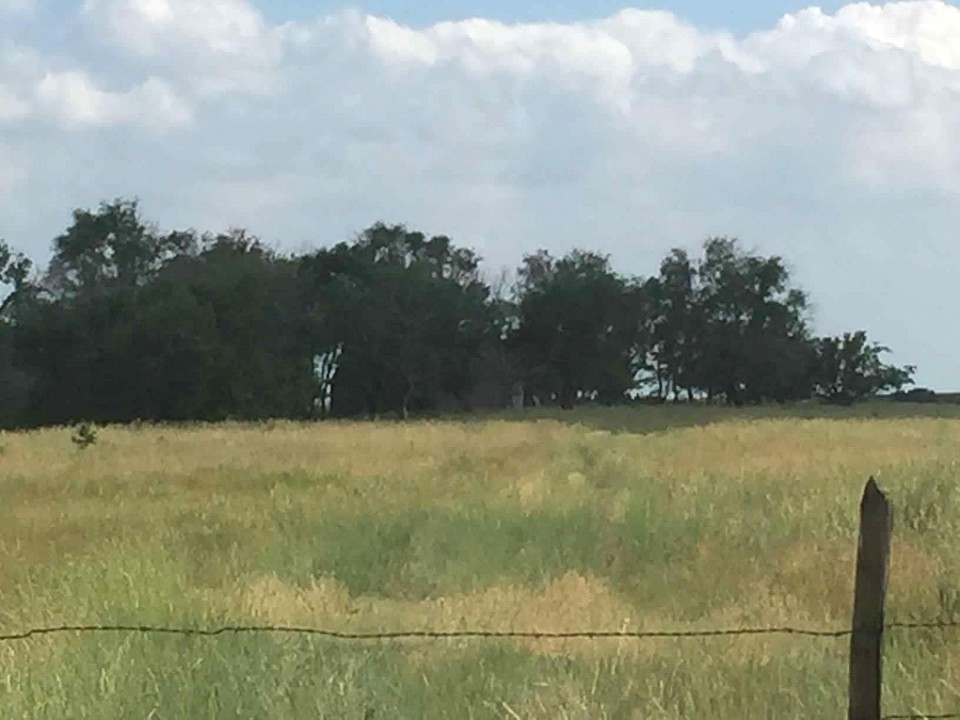
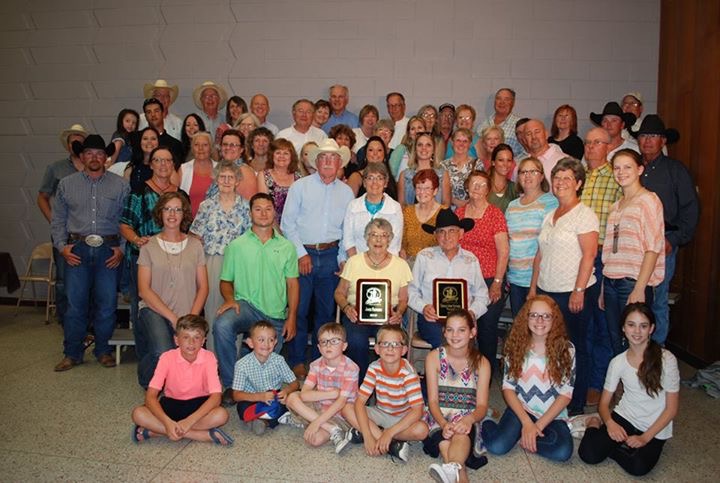
So last summer when we were in Nebraska I asked my brother if he could take me to Wolbach and find the farmhouse. The house was gone, he told me. Had been for a long while. And he didn’t know if he could remember exactly where the land was . . . but he would try. And so we set off on our quest. Getting to Wolbach was easy. . . it is a booming metropolis of 283 people. But now what? We started down one road, but it had been washed out by the spring rains and anyway, he thought maybe we should have turned the other direction back up the way. We rode a while longer and came to a farm where a man in overalls stood out in the yard next to the fence, wondering at the strangers in his neck of the woods. We stopped and Irvin explained our mission – “We’re lookin’ for the place that was Ray Fletcher’s back in the early 50’s. I think it was bought by . . . . and then by. . . . and then I’m not sure who they sold it to. “Well, what you’re gonna wanna do is go back out this road and go about two miles and then. . . “ and so we made our way down some “roads” that were more like gullies until my brother said, “This. This is it. The house sat back there in that grove of trees. It’s been torn down now, but there’s still some of the barn standing. It was right back there.”
I stood there a long time. Remembering the stories from my mother. . . like the one about how the goose chased me and I caught my leg in the fence gate which left a good sized scar that I carry with me to this day. Or how my dad would go into town every Saturday and bring back a little brown paper bag with candy in it and would sit at the table in that kitchen and divide it between me and Jolene. And I called back Jolene’s stories about our time in that house. Almost exactly a year older than me, she is Don’s oldest daughter, the one who moved into the farmhouse with us and the keeper of the memories of the adventures she and I shared there. Like the time we escaped from a charging bull by climbing into the corn crib and throwing ears of corn out to him to scare him away, holding him at bay until we were rescued. Okay, so maybe the bull wasn’t raging but rather ambling and maybe he was ambivalent about our efforts to engage him and maybe we were in no real danger. But what a story! This was the corncrib where we had our “playhouse” – where we made mud pies and played away the hours which is what childhood is for. No matter how hard I try, I have no memories of these children or of this place.
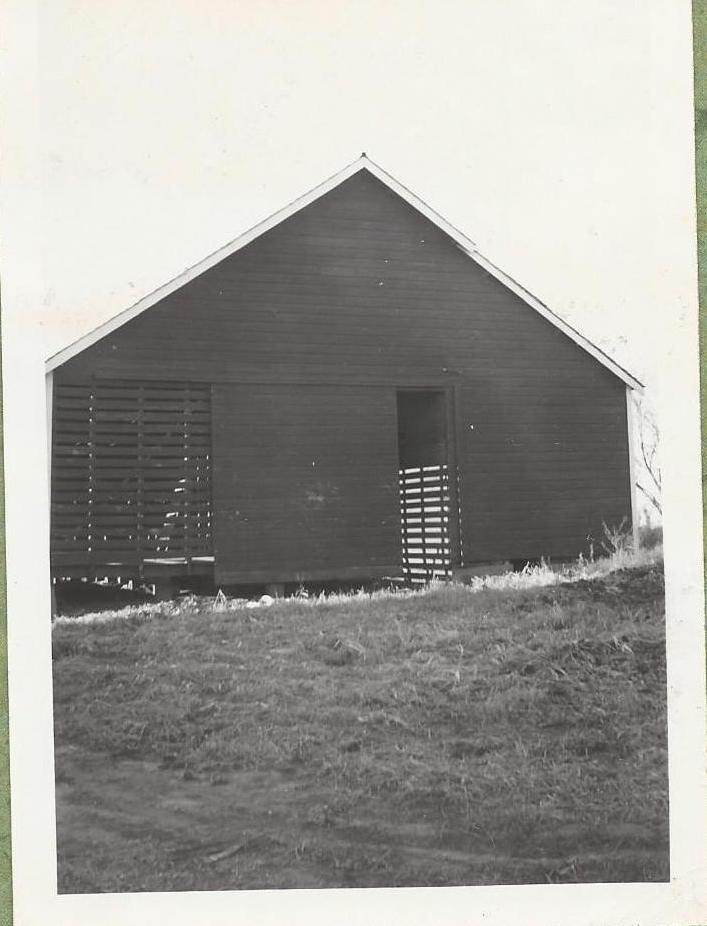
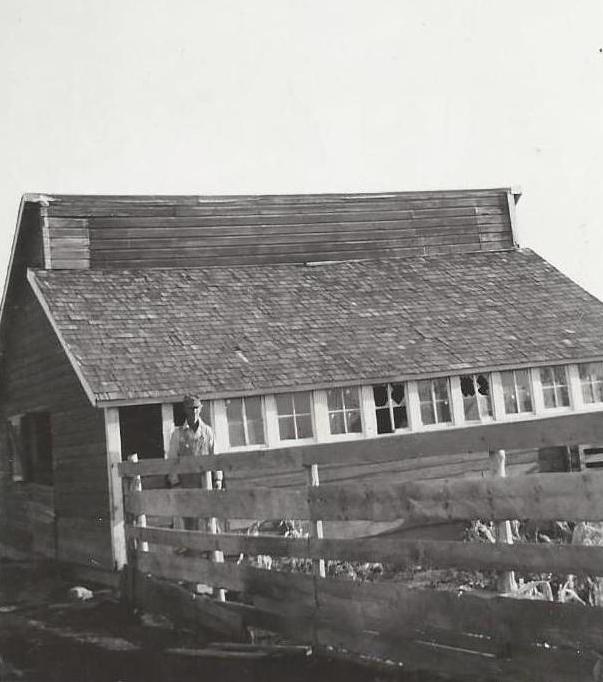
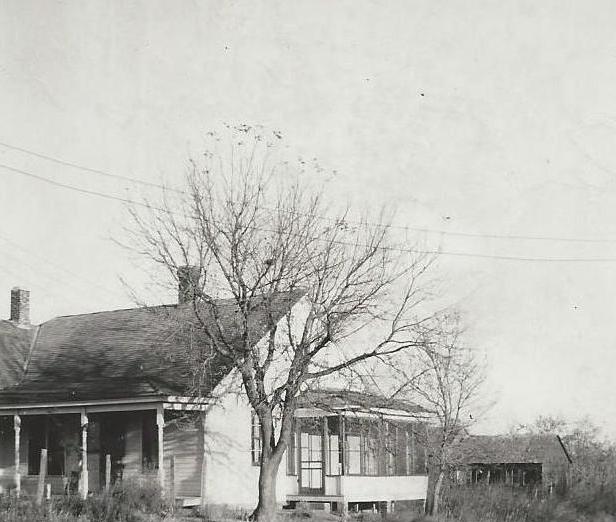
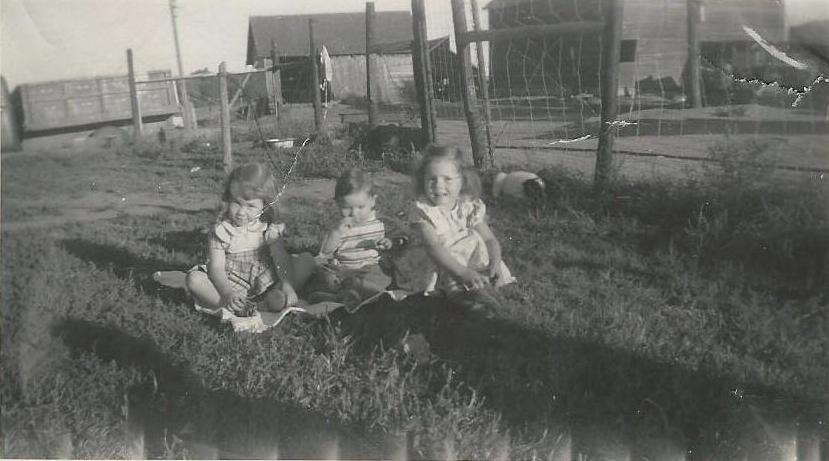
In the Celtic tradition, a “thin pace” is the place where the veil that separates heaven and earth is nearly transparent. A place where, for a moment, the spiritual world and the natural world intersect. That day last summer, as I stood on a road, looking over the fence into a grove of trees where you could just barely make out the the ruins of a barn, this was a thin place for me, and if I listened hard I could almost hear the echoes of their voices – those two little girls in the corncrib, trying to shoo away a bull who had meandered into their story. I can see through that veil the ghost of a woman, staring back at me from her kitchen window. She has the hint of a smile and I recognize my own face in hers . . . the features startling in their similarity. It is my mother, welcoming me home.












 because our stories matter