You Have a Great Past Just Ahead of You

If you were part of the “second family”,  summer vacation to you meant the beach:  sand and sea and the smell and taste of salt on your skin. It’s boogie boards and sunscreen and the sound of seagulls and the sting of jelly fish and buying the tee shirt with a beagle in the hammock and  going for ice cream on the sound. But if you were one of “the four” and you grew up in the land-locked midwest and it was 1980 something, summer vacation was a whole other thing. It was camping in the rain, little cereal boxes of your favorite cereals (except for the Raisin Bran which nobody wanted), trips to the ER for stitches and ear infections, and Silver Dollar City.

The first family vacation we ever took that was not to visit grandparents came about from a conversation with Paul’s brother David who insisted that the perfect vacation spot was hidden away deep in the Ozarks in an out-of-the-way spot known as Branson, Missouri. Today, of course, Branson is a destination in and of itself which draws thousands upon thousands of visitors each year to its music shows. But this was before all that. This was about a little theme park where you rode the trolley from the parking lot to the gate not because it was too far too walk but because it was one of the few “rides” the park offered and you listened to the patter of the “tour guide” who explained that you were about to step back in time – 100 years to be exact. “Welcome to Silver Dollar City – where you’ll find  a great past just ahead of you!” he promised as we stepped off the trolley and into some of the best memories we would make as a family.

386232ef4962e4a940ab744ff4ce3ac1

The first time we went was sometime in the early 80s; there is some disagreement among us as to the exact year so we’ll just call it 1980something. We sent away for the brochures and when they arrived in the mail (Seriously. That’s how we did things before the internet.), we sat down on family nights and poured over them:  planning our itinerary, studying the maps and highlighting the best route from Illinois to Missouri, making a budget, writing the lists of all the things to do and take and ready before our big adventure. How many weeks (months) did we do this?

Because we had no money, we knew hotel rooms and restaurant meals were out of the question. But not to worry – for a fraction of the cost we could buy a brand new tent (I think we already had some sleeping bags we had collected along the way) and thanks to our trusty brochures we found the Blue Mountain Campground nearby (with a swimming pool and laundry facilities!) where we could pitch our tent. We could afford tickets to Silver Dollar City for a day and half and the rest of the time we would vacation at the campground:  swimming and collecting wood for the fire we would build to cook our meals and toast marshmallows for the s’mores. What could possibly go wrong you ask. Let me count the ways.

1.   Before using a tent for the first time it would behoove. . .  (okay – cross that off my bucket list – I have always wanted to use that word in a sentence). . . it would behoove you to set it up at home to make sure (a) all the necessary pieces are present and accounted for and (b) you actually know how said pieces fit together.

2.  It rains in the Ozarks. A lot. Not all tents are waterproof.  Soaking wet sleeping bags require a heavy duty dryer which can only be found at a laundromat. Also, a strong storm can blow down a tent altogether.

Early one morning, after a night where no one had slept due to the soaking wet tent, the soaking wet sleeping bags, and the all round soaking wet, miserable conditions, the owners of the campground took pity on us. Chad was outside our tent – yelling.  “Faye says for y’all to come on up to the house for pancakes and get those babies in outa’ this rain!!”  Thank God for Chad and Faye and  Ozark hospitality!

3.  Camp playgrounds are all fun and games until someone parachutes out of a swing, lands in the gravel, and slices open her hand which will require a trip to the emergency room for stitches, taking up an entire afternoon of vacation. In years to come we would battle strep throat, ear infections and stomach flu – so much so that it seemed it wasn’t vacation if somebody didn’t get hurt or sick.

4.  It is best not to allow a three year old to jump into the deep end of the swimming pool holding a beach ball as a flotation device. This can go south pretty quickly.

5.  It turns out young children are more enamored with playing in the fire and cooking over the fire than they are with eating the food cooked in said fire. They’re not so much about the char the fire leaves on the hotdogs or the crunch of aluminum-foil-wrapped- potatoes cooked in the coals which never seemed to get done. But they did absolutely love the little individual boxes of cereal that they could open up, pour in the milk and eat right out of the box.

The tent – before it blew down in the rainstorm
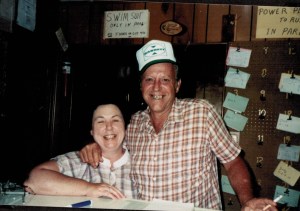
Chad and Faye – God bless ’em
Ozark hospitality

And yet, for all of that, we returned to the Blue Mountain Campground again and again, year after year.
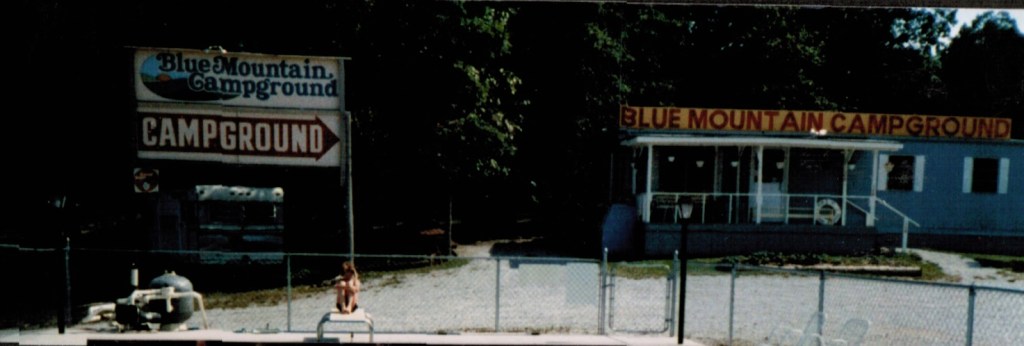
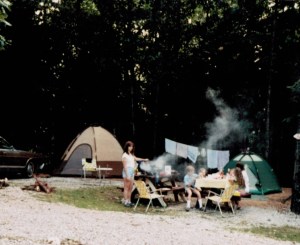
Blue Mountain Campground
The campsite
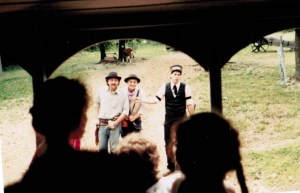
Train robbers
The train robbery

And to Silver Dollar City.  After the first year we figured out that for not too much more money, we could buy a season pass and then go to the park every day for our five days of vacation. We rode the train with its steam powered engine and never grew tired of the train robbers who entertained the passengers with their scripted and improvised lines.

55
Paul in the saloon show

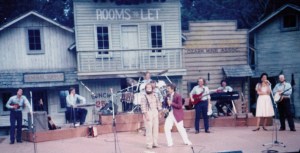
We were regulars at the Silver Dollar Saloon where the singing bartenders served rootbeer in frosty mugs and peanuts in the shell. The saloon girls put on their show and hauled a sucker up from the audience to mock and ridicule him and so of course the kids figured out which chair they always chose to pull their victim from and convinced Dad to sit in the chair at least once a season. In the middle of the show Carrie Nation and her Suffragettes marched in to break up the riffraff and it took the Sheriff to restore order. The girls bought garters and when they got home they practiced the Can-Can and sang “Why do they call us wild women, wild women, wild women?  Why do they call us wild women when we’re just as tame as can be“.  Rosie was the main saloon girl and one day on our way to the park from the campground we stopped at a convenience store to pick something up and there was Rosie – buying a loaf of bread!  Day made!

Scan 28
Singing bartenders
Scan 18
Good times at the Silver Dollar City Saloon.

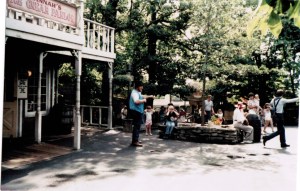
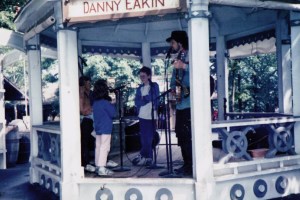
The street theatre actors recognized the kids from year to year and incorporated them into their acts. They were on a first name basis with the Sheriff and the Deputy, with the Hatfields and McCoys. With the Rainmaker and the Undertaker who wandered the streets with his measuring tape. They loved the Story Teller and knew what time she would be at her spot to tell stories and choose them to be a part of them. They knew the musicians and where they performed and what time to catch them during the day. They knew the lady who ran the general store and the basket maker and the blacksmith.
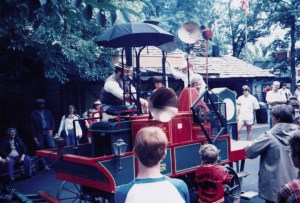
rainmaker
The Rainmaker
scan-30-copy.jpg
The Storyteller
street theatre
More street theatre
Performing with Danny Eakin

And then there was Mercy.  He was the star of Silver Dollar City.  He seemed to be everywhere:  interacting with the guests, heckling and teasing and aggravating and everyone loved him. He knew our kids by name and if we missed a year he would ask them where they had been. Eventually they got to know the actor behind the character. His name was Jack McDowell and they invited him to lunch and he told them about Silver Dollar City behind the scenes. We exchanged Christmas cards and kept up with him and his career for many years.
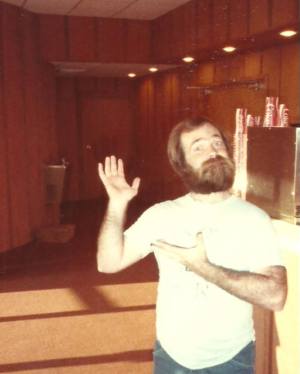
12642961_1121398154561726_7387714377258334224_n
Mercy
Mercy on the street.
Scan 33 copy
He was the star

There were a only a  few rides:  the American Plunge which was a log flume ride and left your stomach at the top of the summit before plunging you down the to the bottom and the Lost River of the Ozarks inner tube ride that guaranteed a good dousing under the waterfall. There was a ball pit and a playground  and a carousel, but mostly it was about the community:  the musicians around every corner and the street theatre which was both predictable and spontaneous, the craftsman and the artisans. It was about the funnel cakes and the frozen lemonade and the penny candy at the general store. As the kids got a little older we would let them roam the park on their own and meet back periodically to check in at a designated spot (it was a different time and a different place). One day I was walking through the park alone and I turned a corner to find the baritone from the barbershop quartet all alone in an isolated spot singing “How Great Thou Art”.   His eyes were closed, his arms lifted to the sky and it struck me that he was not performing, he was worshiping.  This was  a private moment, not a public one.  I tried to slip away unnoticed so as to not interrupt him when he opened his eyes and saw me. He blushed a little.  “I’m on my break,” he said.  “I just needed to recharge.”  For years I would recall that scene when I needed to recharge.
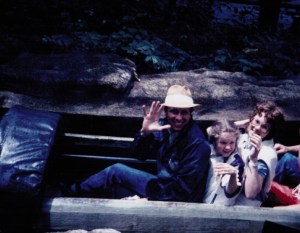
american plunge
The American Plunge
Scan 10
Lost River of the Ozarks

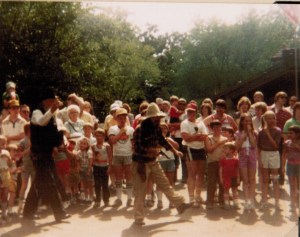
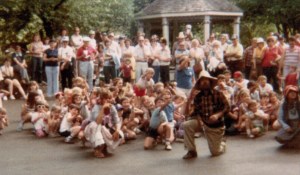
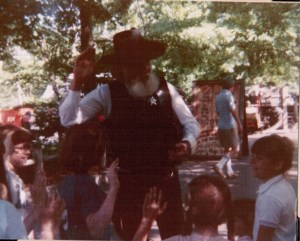
Every day at the park started with the sheriff deputizing all the kids with sheriff badges and then lining them up to stand at attention as the flag was raised. The day ended with the lowering and the folding of the flag.
Scan 33 copy 2
The Sheriff deputizes the kids every morning. . . with a badge.
Scan 31 copy 2

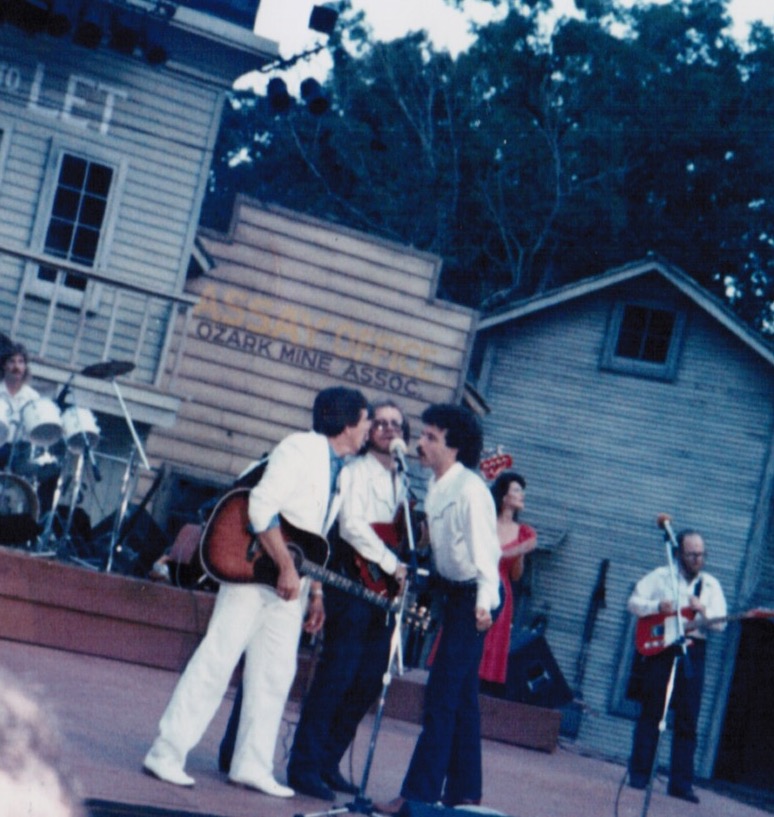
In the evening we headed to Echo Hollow, the big amphitheater, for the Silver Dollar City Jubilee: an evening of Bluegrass music and comedy with Mercy as the warm up act. They might  change the show from year to year but the performers were always the same – and once again they recognized us and greeted us like old friends. And then it was back to the campground where, if we were lucky, the tent and sleeping bags would be dry and we could light a fire and Dad would pull out his harmonica and we would unwind from the the day so we could  get up in the morning, eat little boxes of cereal and head back to do it all over again.
Scan 31
Silver Dollar City Jubileee
Scan 31 copy
Echo Hollow

Scan 10 copy 2

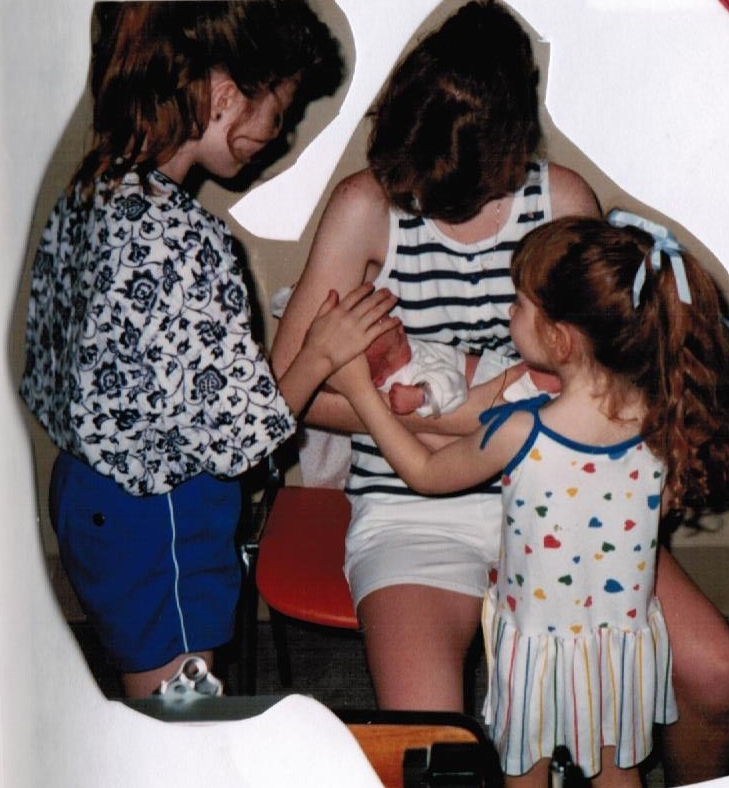
I don’t know how many times we went on this vacation. Five maybe?  Six? I know we went back a couple of times after Joy was born. She danced in the streets to the music, she plummeted down the American Plunge tucked in between us and rode the Lost River of the Ozarks, squealing with delight as the water fall dumped water over our heads. She rode the carousel and ate the funnel cakes and slept in the tent. But I think it was after that that we moved east and the story shifted.

Joy dancing
Joy dancing to the music

We made one trip with all of eight of us. In was in 1989. Fletcher was a year old, Joy was five and the others were . . .  older. But it wasn’t the same. Some of the old, familiar faces were gone, others had taken their place who didn’t know us from the next guy and there some new, added  “attractions”.  Still, it was enough the same that we could say, “Oh!  And remember this?!” But you could tell that change was afoot.
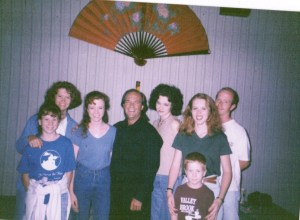
The last trip – 1995. And that’s Jack McDowell in the middle.

In the summer of 1995 we were making a trip to Colorado for Paul’s parent’s 50th wedding anniversary. Somehow somebody suggested, “What if we went through Branson and spent a day at Silver Dollar City?  But maybe we sleep in a cabin.”  And so we did. We wanted Fletcher to see it, to experience it, but afterwards we all sort of wished we hadn’t done it. The magic was gone.  It was more like a conventional theme park – more about the plethora of  rides which had been added  over the years and less about the craftsmen and the music and the street theatre. Less personal somehow and more crowded. We did look up Jack McDowell. who was working someplace else by then and had lunch with him.  But he had moved on too, and we all mourned the loss of the place where we had met and spent so many happy hours. We stopped by the Blue Mountain Camp Ground just to see if it was still there.  It was.  Chad had died some time ago and Faye was away when we stopped, but when we went in the office, there on the bulletin board was a picture of two year old Joy.

Joy reminds me that in 1999, Paul and I and she and Fletch stopped again when we were traveling west to see family. Oddly enough, I have absolutely no memories of it.  Maybe it was just too different and I didn’t want to remember it that way.

One of the kids said once, “Don’t you wish you could go back to Silver Dollar City for the first time?”  And that sort of captures it. It was magical. Pure and utter magic. But it’s sort of like Camelot or Brigadoon. It’s been almost 40 years since that first time and now it’s gone and there’s no way to get back to what it was no matter how much you might wish otherwise. And maybe that’s where the magic lies. The place – as we knew it –  is gone.  The children – as we knew them – are gone.  But the stories.  They are alive and well and welcome us back again and again.

Scan 33 copy 3

The Ring Goes South – and Other Lord of the Rings Chapter Titles

It was over Thanksgiving break when he wanted to go ring shopping. And so we all tagged along: his dad, his mother, two of his sisters, and two little nieces. Because when you’re the baby of the family, nobody thinks you can do anything without lots of help and advice (and supervision). “We’d like to look at engagement rings,” we told the sales clerk. After we all agreed that yes, this was the one and money was exchanged, we celebrated by going out to lunch. Once home we put the ring safely away until he would need it for the proposal in April “Because,” his dad insisted “you cannot keep this in your dorm room.” Sometimes you just feel the need to state the obvious.

And so the plan was made and we settled in to wait. He came home for Christmas and we got the ring out and looked at it again and talked about what exciting times lay ahead. He returned to school and we all felt good that there was a plan and everything was working according to the plan and that April would be here before we knew it.

But then the plan changed. “I’m thinking I am going to propose on Valentine’s Day. Could you bring the ring down this weekend?” What happened to April?? Valentine’s Day was on Monday.

And herein lies the problem: this was the winter of 2010 – “Snowmageddon” as it came to be known. The third of four monster snowstorms to hit the east coast that year came on Monday and Tuesday, Feb. 9th and 10th.  We would be buried in a mountain of snow. The roads would be terrible. This was a disaster waiting to happen. I said no. But because his dad is a romantic at heart and because he is always up for an adventure, he said, “Oh the roads will be cleared on Wednesday and we’ll drive down on Thursday and back on Friday.  Sure.”

The next problem to be solved: though the main roads may or may not be cleared on Wednesday, our cul-de-sac certainly would not. Paul thought we could shovel the driveway and once out on the street we might just be able to drive through the foot of snow on the road. Plan B: maybe we could shovel our street enough to get the car out to the main road. Seriously?  But here’s the really cool part about a snowstorm – people who are pretty much strangers the rest of the year come together and pull together and become neighbors. So when they saw what we were doing and we told them why we had to get out, they all took up the challenge and with one little snow blower that the woman on the corner owned and the rest of us armed with snow shovels and a spirit of romance and adventure, we shoveled out our street to the main road and we were free! The Black Gate is Open

IMG_9823

We stopped in Frederick to pick up Tabi because of course schools were closed and would be for the rest of the week and since she would be trapped in her classroom of first graders well into the summer to pay for all these snow days, why not join this party of adventure to deliver the ring to her baby brother who so badly wanted to pull off his Valentine Proposal? And besides, it’s hard to have a fellowship of the ring – with only two people. And Three is Company.

The next obstacle: Journey to a Crossroads. We exited the interstate highway to travel along the state highway and so far so good. But then we saw the police cars blocking the road ahead. “Is there no way through?” we asked the officer. “No, the snow has drifted and we have to close off the road.” (The Black Gate is Closed)  How long before it might reopen? No idea. We explained our mission. We were the Ring Bearers and we must make it to Mordor Lynchurg – the fate of the proposal was in our hands. And for whatever reason (adventure, romanticism, boredom) one of those kind police officers stepped up. “Follow me, I’ll get you around this and back to the highway.” said Officer Strider.  Okay, that wasn’t really his name but it could have been.  Which is how the Fellowship of the Ring found itself with a police escort across the backroads of Maryland into Virginia until we were once again able to travel the highway.

We sent texts along the way to friends back home who knew of our secret mission. The Ring Goes South”.  The reply comes back “Keep it secret. Keep it safe.” “If Sharon starts calling the ring ‘my precious’, abort. ABORT!!” And so it went for four hours.

We did make it to Virginia that day. We went to Joy’s house and Fletch and Emily met us there for a visit. (A Long-expected Party). I chatted with Emily while Paul and Fletcher headed to the back room (Many Meetings). I asked if they had plans for Valentine’s Day. She wasn’t sure if he had made a plan yet. A Conspiracy Unmasked would happen soon enough.

We all went to dinner that night and chatted about the storm and how this would be one we would all remember and tell stories about for years to come. Amen to that.

The next morning we were Homeward Bound to await the telling of the rest of the story.

18777_685644656008_1150538_n


What My Mother Taught Me

527753_10150927243851311_1130070861_n

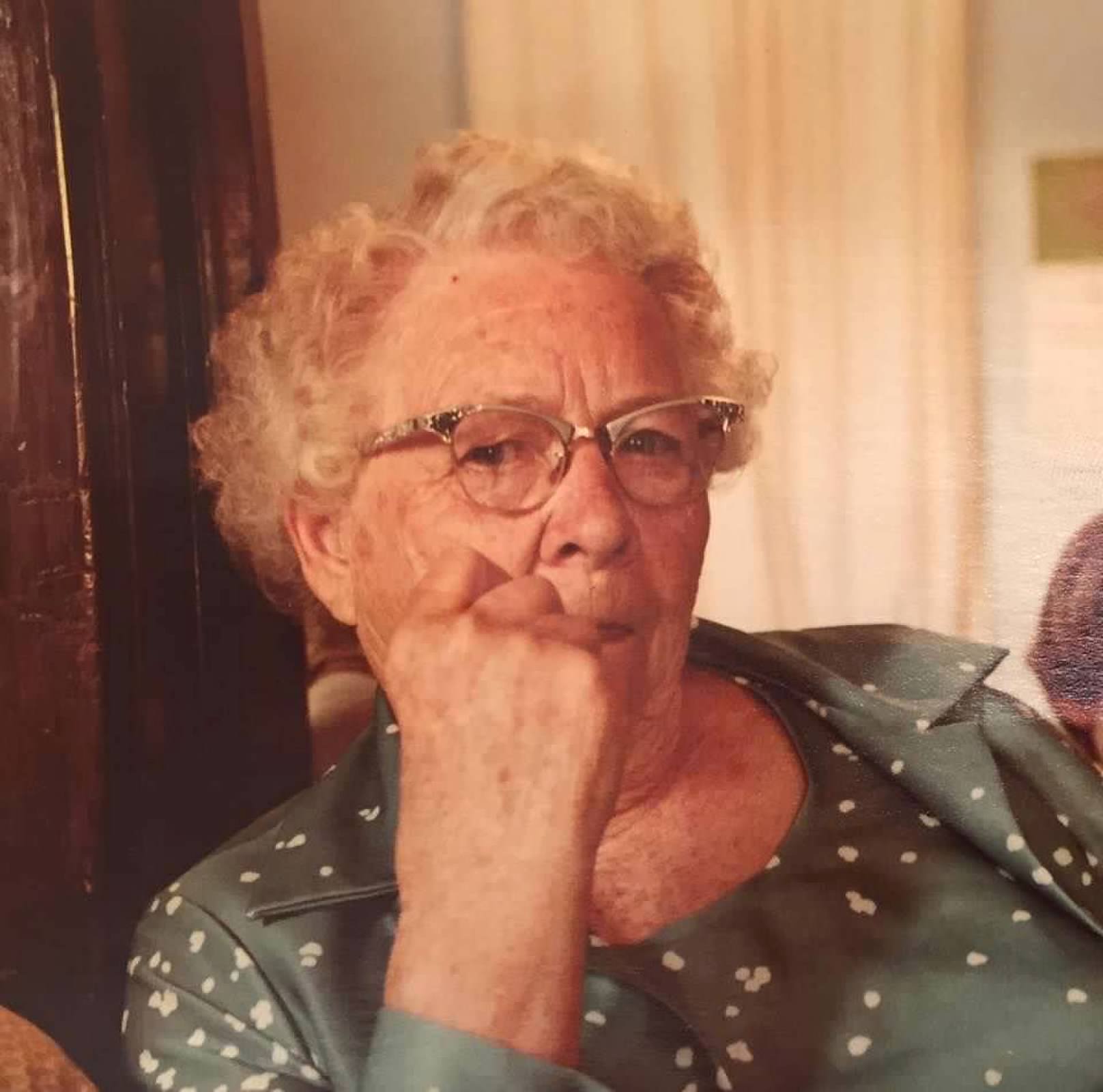
My mother was born on January 7, 1904. I’ll save you the math. She would be 112 years old today.

In 1904 the average life expectancy was 47. There were only 8,000 cars in the U.S., and only 144 miles of paved roads. The maximum speed limit in most cities was 10 mph. Only 14 percent of the homes in the U.S. had a bathtub and only 8 percent of the homes had a telephone. The average wage in the U.S. was 22 cents an hour and the average U.S. worker made between $200 and $400 per year. Ninety percent of all U.S. physicians had no college education. Marijuana, heroin, and morphine were all available over the counter at corner drugstores. One pharmacist sold it with this endorsement: “Heroin clears the complexion, gives buoyancy to the mind, regulates the stomach and bowels, and is, in fact, a perfect guardian of health.” A different world and a different time, right?

Image-1
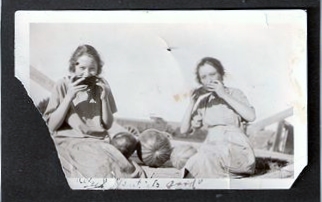
Hazel and her sisters

Her father was a trapper and a true pioneer. He built the family home himself, a large house on the edge of town to accommodate his three sons and four daughters. He traveled to the city to buy clothes for his daughters, coming home with the latest fashion and the correct sizes. What kind of pioneer does that? I never knew my Grandpa Barnes – my loss.

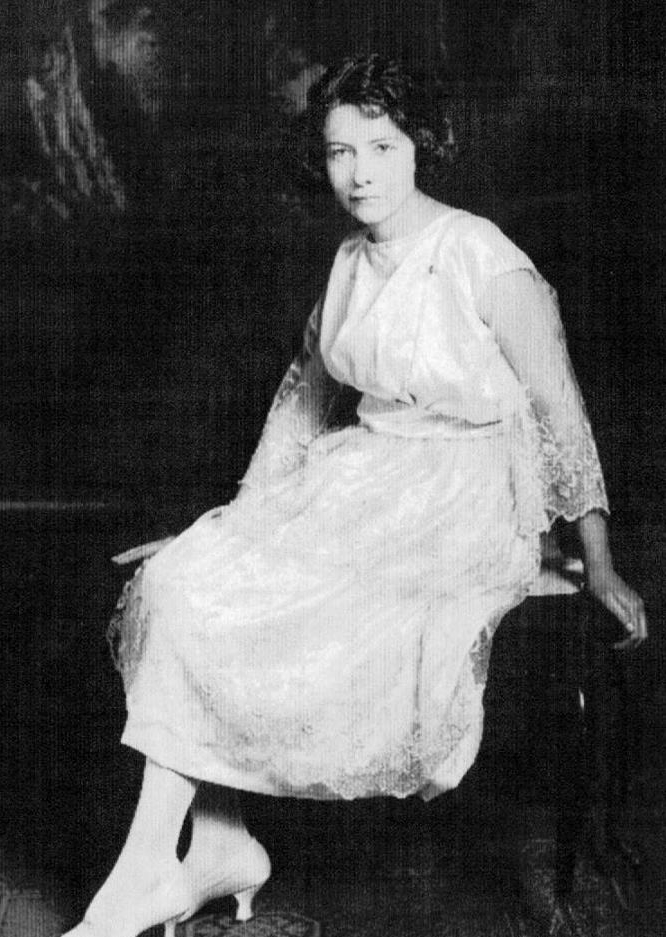
Mom graduated from high school at 18 and went to the State Teacher’s College, got a teaching certificate and taught in a one room school house before she married my dad. In 1923 she was a college educated woman with a career – ahead of her time in many ways.

Whether shaped by temperament, by personality or by life events, she was a strong woman – one of the strongest I have ever known. She lived through two World Wars, raised five children in the Great Depression, cooked for a never-ending string of farm hands, cleaned houses and sold eggs, nursed her family through small pox, scarlet fever, whooping cough and polio, sent two sons to war and bore a sixth child at the age of 47. She became a widow at the age of 51, left the farm and started over with two dependants, a four year old daughter and a 21 year old  disabled daughter. Once again, ahead of her time, she was a single working mom in the 1950’s.

I never knew the fashionably dressed teenage flapper or the  auburn haired school teacher or the young farm wife or the woman who washed out her children’s clothes at night so they could wear them to school again the next day. The woman I knew had white hair and walked to the hospital every day where she worked as a cook. Once a month we took the bus downtown where she would deposit her paycheck in the bank, and we would eat fried shrimp and drink chocolate malts at the Woolworth’s lunch counter on Main Street. My mother never learned to drive a car. On my sixteenth birthday I got my driver’s license and we took the bus to the car dealership where she paid cash for a brand new 1966 Dodge Dart. I became her transportation to work, to the grocery store, to the doctor’s office. She was a terrible side seat driver (a habit I either learned or inherited from her), gasping at every stop or start or at the sight of another car. I didn’t like driving then and I don’t like it now.

She was an exceptionally practical and pragmatic woman. Probably because life had made her so. In her 80’s when she began to fail, she called my sister one day to take her to the funeral home. My sister assumed a friend of hers had died and she wanted to go to pay her respects. Not so. My mother was there to browse. She wanted to pick out her casket, plan her funeral and pay for it.

“I really like the lavender one. Do you think it’s too flashy?”

“I don’t know, Mom. Do whatever you want. I’m really not up for this.”

“Lila, you can do this with me now or you can do it by yourself when I’m gone. Those are your choices. The choice you do not have is to not do it.”

When they sat down with the funeral director to make the final decisions, Mom learned that to have her body moved to Nebraska to be buried next to my Dad would cost more than she was willing to pay. She turned to Lila “You and Tony can just put me in the back of the station wagon and take me there and save the money.”

My sister drew the line. Under no circumstances would she transport her mother’s body anywhere.

 “Fine,” my mother huffed. “I’ll just rent a casket, have the funeral here, they can cremate my body and you can take the ashes to Nebraska!”

“Fine!”

“But you make sure they put me in that lavender casket. I’m not going to pay for it and have them cheat me out of it afterwards.” My sister always thought she won that round. I’m not so sure.

She sat Paul down and told him what she wanted from him. She wanted him to preach. She told him the verses she wanted him to use. She wanted him to sing. She  told him the songs she wanted. “I’m really not comfortable with all of this, Hazel. It sort of turns it into the Paul Abbott show and…”

“But it’s really not about you, is it?” she said.  “It’s my funeral so I get to say how it will be.” And that’s how it was.

In the last decade of her life she moved into a small apartment in a retirement home. It was an adjustment for her but she figured it out. When she’d been there a couple of weeks I called her to check on her. “How do you like it?” I asked. “Well,” she said, “it’s not bad. It’s just that there are a lot of old people here.” She spent her days baking for the old people and checking up on them.

My mother taught me many things. She taught me how to make pie, how to stretch a grocery budget and how to bake bread. She taught me that life isn’t fair but I could be. She taught me that sometimes you do what you have to do even when you don’t feel like it. And she taught me this: “When you are young, you have to practice being the kind of person you want to be when you are old.”  When she was old sick and dying, she was gracious and grateful and appreciative. I’m still practicing.

I loved my mother. I didn’t always understand her or the world she had come from, but I know for a fact that she was a strong and remarkable woman. I hope that I am just a little like her.

So maybe today I’ll l have a chocolate malt and offer a toast to a woman who was a pioneer in her own right and one who was ahead of her time.  To you, Mom, and Happy Birthday!

148239_10151320773006311_701757437_n

This Is Fletcher Paul Avvott

“What if we named him Fletcher?” Paul asked. I liked it. “And Paul as a middle name,” I offered. And it was settled. He would have my name (Fletcher is my maiden name), his father’s name (Paul), and our name (Abbott). His siblings were old enough to have opinions and less than enthusiastic. “You can’t name him Fletcher.  It’s not a real name.” But Fletcher it was.

001

His birth was the most traumatic of the six. Over two weeks late and with complications developing, the doctor wanted to induce. The kids cried foul. We had a lottery set up – everybody had contributed something: a week’s worth of chores, $5 worth of candy, a favorite book, something – and the loot would go to the person who had chosen the day of the week he was born. The doctor had said Monday – which just happened to be Paul’s day. I was in no mood to negotiate – the sooner the better. I arrived at the hospital about 4:00 p.m., they prepped me, set me up with the IV and started the Pitocin. With the first hard contraction, the fetal monitor registered severe distress and only a few minutes later the room had filled with people. “Mrs. Abbott, if we’re going to save your baby we need to do an emergency c-section. Now.” In the confusion of it all there was miscommunication – someone told Paul to put on scrubs and a mask and he could accompany me to the ER. There was lots of hurrying, lots of chaos, and on our part – lots of praying. When we got to the Emergency Room, the anesthesiologist took one look at Paul and the last thing I heard before they put me under was “Get him out of here!!!”   Paul left the room, walked down the hall, removed his gown and heard the baby cry.

As I fought my way out of the general anesthesia, I was aware only of the searing pain. “Why?” I asked Paul. (Because he can read my mind and finish my sentences, he knew I was asking – ‘Why am I in this hell-hole of pain?’) “Because you had an emergency c-section. But the baby is fine.” “What?” I asked him, (translation: What did we have?) “We have a boy.” And I would drift back to sleep. A few minutes later: “Why?” “You had an emergency c-section. The baby is fine.” “What?” It’s a boy.   And I drifted away. And so it went. . . . over and over and over. . . Even from those first days we took to calling him “the boy”. There were now four girls and the bookend boys.

Paul spent the night at the hospital that night. Until security asked required him to leave in the early morning hours. Turns out he can be a bit of a trouble maker when he thinks the nurses are not following the doctor’s orders to provide pain medication every four hours. The hospital air conditioning was on the fritz and we were in the throes of a stretch of 98 degree days, the room was crowded with the three little kids of my roommate who was also recovering from a c-section and whose husband did not want to pay for babysitting, and Paul was caring for both of us and keeping the kids from killing each other. So we took “the boy” and went home early.

baby 2

Probably because he was the youngest of six and five of them significantly older than he, he was a pack animal – always the happiest when surrounded by the rest of the pack. An introvert by nature, he didn’t even need their attention – just their presence. When he was three years old, his only brother joined the Marines. It was the first tearing apart of his pack but the girls were not far behind. The day his sister got married, I found him in tears at the reception. In all the talk about her getting married, he had somehow assumed that this meant that she would move back home and bring her new husband with her. He sobbed as he learned that in fact, this was not the case.

Untitled-Scanned-02 copy

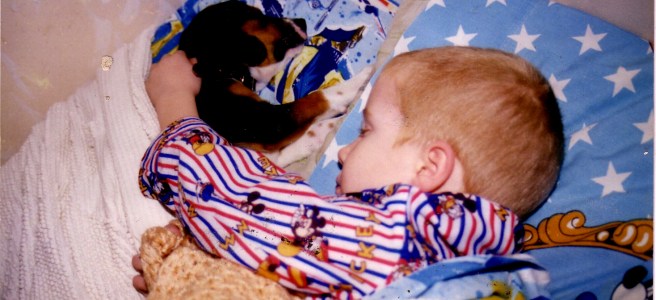
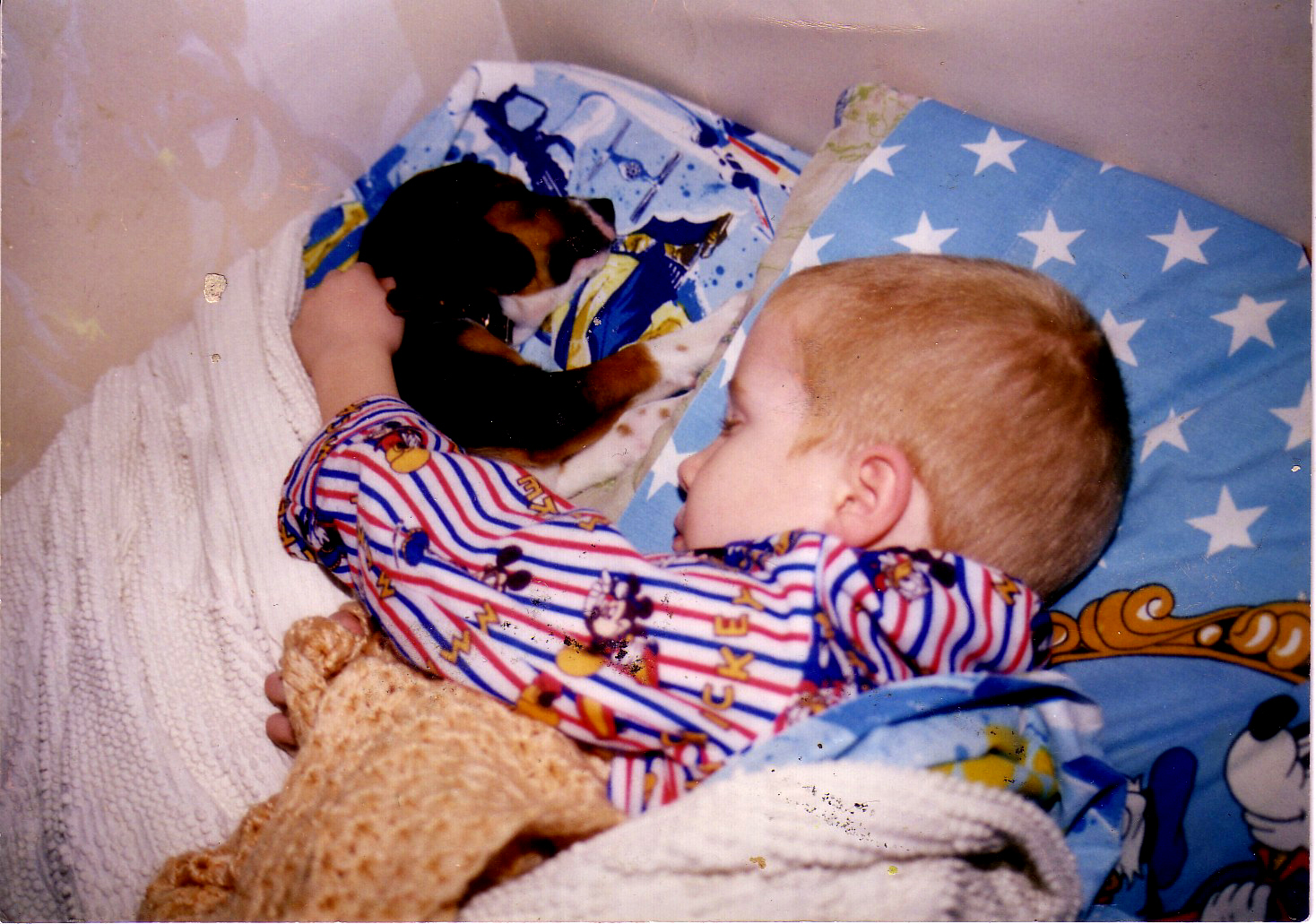
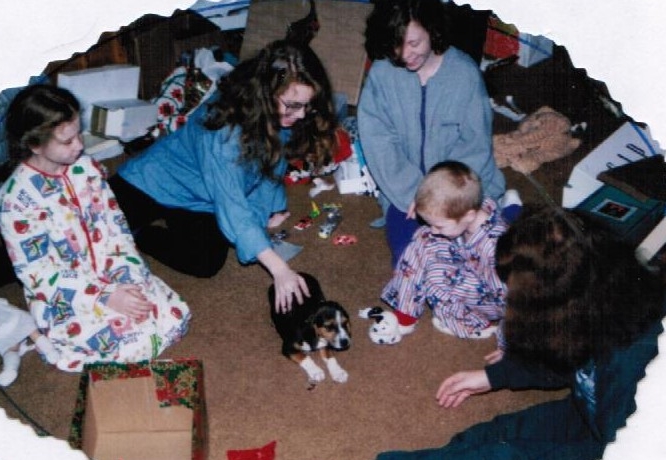
He was a home-body by nature – so much so we wondered if he would ever leave home or just take up permanent residence in our house. As his siblings moved out and left him behind, one family in particular sort of took him in and he spent a great deal of time at their house, soaking up the chaos and the mischief of a large family. They would often invite him to spend the night and we would load up his backpack and send him off with his sleeping bag under his arm. It was usually before midnight when we would get the phone call: Can you come get me? And so we would make the 15 minute drive to their house, bring him home, and tuck him into to his own bed with his Beagle, and they were both the happier for it. One night it was later when he called – maybe around 1:30. When we pulled up in the drive he was waiting on the front porch with his backpack and sleeping bag. “Problem?” “No. I just wanted to go home to sleep.” The next morning around 9:30 Mary Lee called me: “Sharon, this is really awkward but is Fletcher there?” “He is. Is there a problem?” “Well, when the kids came down for breakfast and Fletcher wasn’t with them, I asked where he was. They didn’t know. I asked them how they could not know. ‘ummmm, when we woke up he wasn’t here.’ ‘And you didn’t think that might have been important to tell somebody? How am I going to tell the pastor that I lost his son?!’ Not wanting to bother anyone, he had simply made the phone call, gathered his things and slipped out to wait on the porch while the family slept. He was like that. In all fairness, when he announced he wanted to go away to college, none of us saw that plan working out very well, but he took to it and to dorm life like a fish to water and he never looked back. Who knew?

Image (128)
IMG_3273
Anniversary Party 219 copy

I think he might have been about four when he wanted his sisters to take him shopping so he could buy me a Mother’s Day present. They made some suggestions as to what might be a good gift (within his budget). He thanked them but was clear that he knew exactly what he was looking for – he simply needed a ride. They obliged and drove him to the store where he was accustomed to doing all of his shopping – The Dollar Store. It took a while, but he finally found it. He brought it home and headed off to his room with a roll  of wrapping paper and a roll of scotch tape and spent the afternoon behind closed doors. On Mother’s Day, he handed me his well-wrapped and tightly taped offering. “ I knew I wanted to buy you diamonds because I really wanted you to have diamonds, but then I found BLUE DIAMONDS and I knew you would love them even more!!!” And I do. And they are one of my most treasured possessions to this day. So a note to my daughters – when you are going to through my stuff after I die and you come across the blue diamonds – remember how valuable they are and do not say to one another, “Now why do you suppose she kept a pair of plastic, clip-on earrings?” I kept them because every woman should feel so loved. Give them to Emily. She’ll know what to do with them.

So many of the one-liners that made it into our family lexicon came from “the boy”:

“I’ll take a coke/fries” (said all as one word – think hashtag) – which is what he hollered from his car seat in the far back seat of the van every time we pulled up to a fast food drive-thru.

“I’ll take a twenty” – which is what he hollered every time we went through a bank drive-thru.

“STOP!!! I lost my tontact (translation: contact lens)!!” which is what he would randomly yell from his carseat as we drove down the road at which point we would send someone to “retrieve” the imagined tontact from the floor of the back seat. They would offer up an imaginary lense they had recovered but more often than not would be told “No, that’s not it.”

“What’s the plan?” – always wanting to be kept in the loop of the family’s coming and goings and afraid that he would be cut out of the festivities.

“Go Skins! Hot Dog! Beat the Bears!” – a mantra his father taught him to aggravate his sister who was a die-hard Chicago Bears Fan.

“I’ll bet that’s a small church,” – a muttered response to himself when he overheard a conversation about a pastor who said, “Anyone is welcome here. Except complainers. They should go somewhere else.”

None of us can hear the song God Bless America without hearing his little voice belting out the lyrics:   ” to the lotion, white before

Untitled-Scanned-03 copy

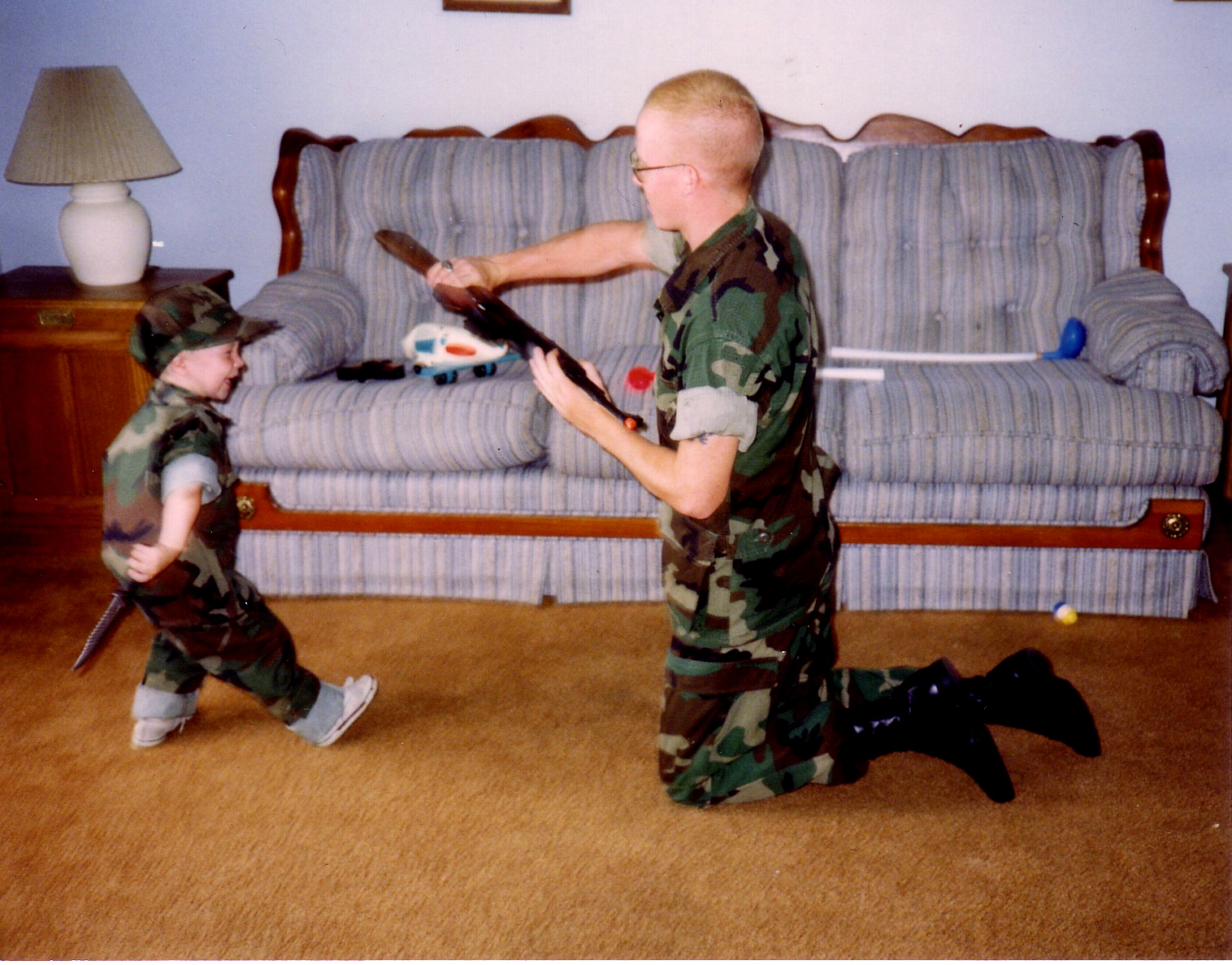
When Fletcher was an RA (Resident Assistant) in college at the same time his brother was a Drill Instructor in the Marine Corps, we laughed that they both had the same job:  babysitting boys away  from home for the first time. “Yes,”  Fletch said, “but he gets a gun.”

When he was about three, he loved to answer the phone: and raced to answer it before anyone else could get there. “Hello. This is Fletcher Paul Avvott. May I help you?” At which point someone would say,Oh good grief! He’s got the phone again.” Which of course was a problem because he was not capable in any way, shape, or form, of taking a message.

Untitled-Scanned-07 copy

So excited to join a t-ball team, he left for his first practice dressed in his shirt and his hat. When he got home he was heartbroken. Sensing something had gone terribly awry Paul asked him how it had gone. “Dad, I’m out of t-ball.” We could not imagine what had happened. This was the sweetest, most gentle child you could ever hope to see. What had he done to get himself thrown out of t-ball???!! Paul probed further – why, what happened? “Well, I hit the ball and then they said, ‘RUN!!’ and I did and when I got there they said, “You’re out!” Such a literalist he was.

murdoch
dog.jpeg

By the time he reached high school, the other five were gone and it was just him. . . and his Beagle. His siblings complained about how easy he had it – when they were growing up they had to share bedrooms, stand in line for the bathroom and an even longer line to get access to a car to drive at any given time. He had the whole upstairs to himself – a suite of rooms really, or as one of the older ones put it – the only thing that keeps it from being an apartment is a kitchen which doesn’t matter anyway because he doesn’t know how to cook anything. He had a car sitting in the driveway which was his to drive whenever and wherever he needed to go. What he did not have was the rest of the pack. And those were lonely years for him.

We wondered often in those years before he left when the little red-headed boy had disappeared and left in his place this approaching-adulthood young man with facial hair. When he was little, he was an early riser and every morning he would come into our bathroom where Paul was shaving. He put the toilet seat down, climbed up and leaned against the sink to watch his dad cover his face with the white, billowy cream and then scrape it off again. “Watcha’ doing?” he asks. “I’m shaving,” is his father’s reply. “Can I have some shave?” he wants to know. Paul  squirts a handful of shaving cream in his tiny little hand and he smears it over his face and then scrapes it off with a hand-me-down safety razor (sans razor blade). When they have both finished this task, he drys his face with a towel and toddles to the kitchen for a bowl of cereal. It was a daily ritual that they kept religiously from the time he was two until. . . . when did it end? Not after a year. Maybe it was sometime in  the second year he began to miss days – he would sleep in a little late or get busy playing or go to get his breakfast first and forget about what was happening down the hall. And then he would return for a day or two . . . until eventually the days he came were fewer than the days he missed and then one day he just never came back. We don’t know when the last time was. Thank God for small mercies. It would have been too hard to know it was the last day.

church

I do remember the day we packed him up and took him to college and I knew – this part is over. I grieved the loss even as I celebrated the person he had grown to be. But in that person, I could still see the essence of “the boy” he had left behind: kind, polite, generous, funny, sensitive to the feelings of others, a thinker and a lover of Jesus and His church. One morning when he was little (probably one of those days when he was showing up less often for the shaving ritual),  Paul found him at the kitchen table by himself eating a bowl of cereal, lost in thought. “Daddy,” he said. “When we cry down, here does God cry up in heaven?” Giving voice to the question that matters to us all – Does God care? We started Cedarbrook when Fletcher was a year old. He grew up during the hard years when we were planting and growing a church and he had seen behind the curtain – he bore witness to the sacred beauty and the ugly sinfulness of ministry. And yet. After all that – he chose ministry as his calling and his profession. God cares.

IMG_3272
11204891_10153202537801311_8255506821763207023_n
IMG_3271

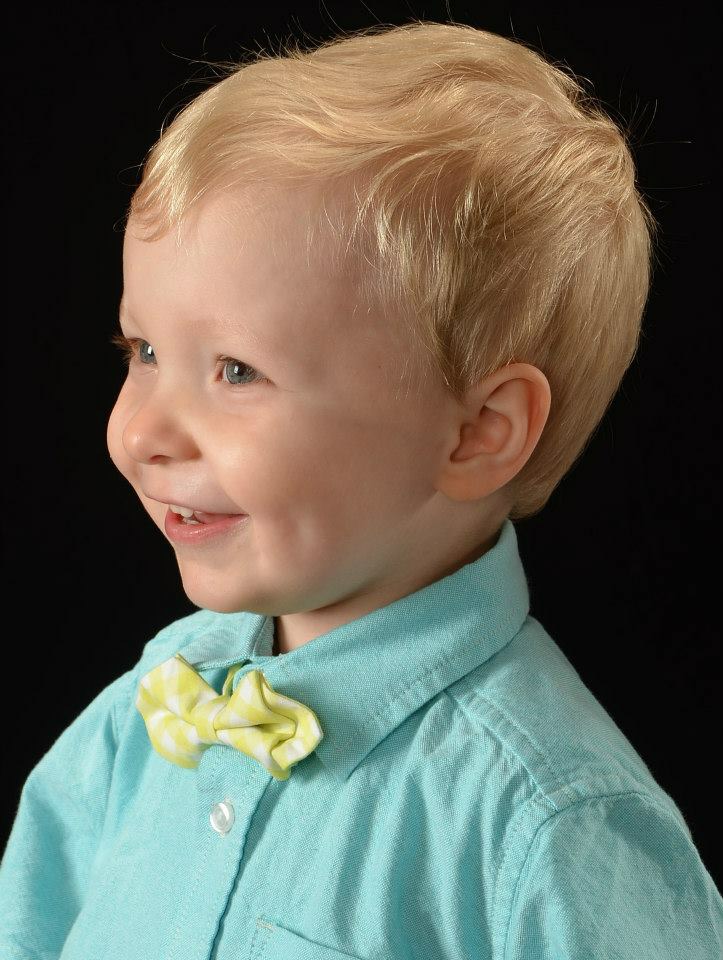
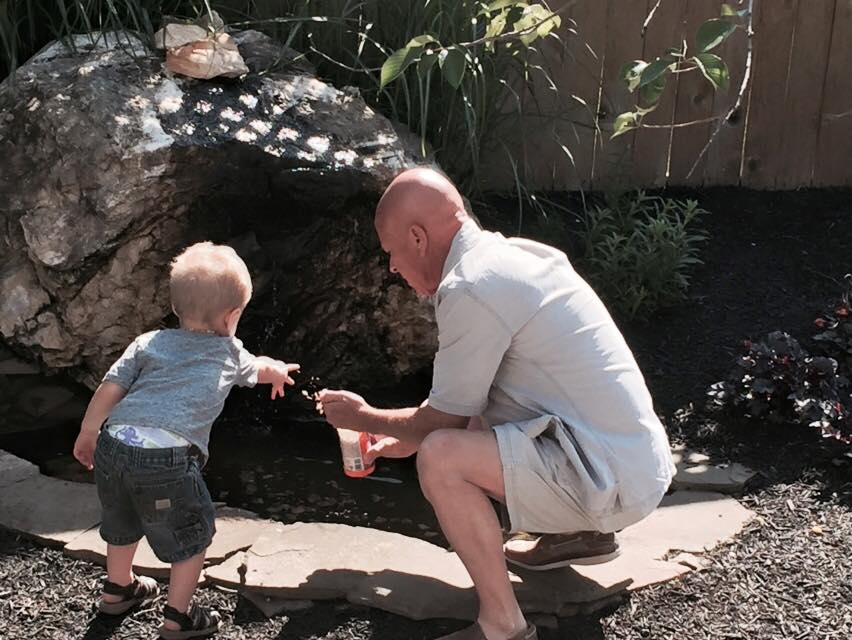
And here’s the interesting thing. There are days now, 27 years later, when I swear “the boy” is back. I catch glimpses of him from time to time. It’s Easter Sunday and I see the picture of him dressed in his Sunday Best with tie and dress shoes and beaming from ear to ear. I see him following Paul out to feed the fish and imitating his every move. I watch him track the movements of the rest of the family and try to account for each one, hoping they have not scattered too far – always looking for his pack. And though his hair is blond instead of red and his name is Ezra instead of Fletcher,  for a minute time warps and I expect to see the Beagle trailing along behind him. I watch “the boy”, now grown big, singing the same songs to his boys that we sang to him so long ago and it makes my heart happy.

326757_10100610777933478_473231283_o
11188264_10102015318902118_6049108293567941446_n

Happy Birthday, Fletcher Paul Abbott!  So what’s the plan?