They had moved to California early in the summer and we made a trip to visit them. He took us on a tour of their “very own” house – which was really base housing which meant that it was the government’s “very own” house, but he didn’t know that. “And this is our very own kitchen. And this is our very own living room. And this is the brothers’ very own room. And this is our very own. . . what is this, Mom?” A fuse box. “And this is our very own fuse box. ” So excited he was!
We took them school shopping to get back packs and school supplies. He had his eye on a hiking pack that would have weighed down his Marine of a father – but maybe he recognized it as something like what his dad took with him to work every day when he went into the field. Whatever the reason, he would not be dissuaded. We showed him other ones that were more appropriate for the first day of kindergarten. “Oh, look Jackson! This one has Spider Man on it!” I offered. No, thank you. “How about this one with all of the cool cars on it?” No, thank you. Finally his mother said, “Jackson, Nana and the Colonel are not going to buy that back pack. Choose another one.” He was fighting tears as he tried to readjust his expectations. And as any grandmother will tell you, I would have laid down the 200 bucks for that sucker in a heart beat. Yet, somehow I knew this would not bode well for either him or me in the long run. I tried to distract him with a more acceptable choice. “Oh WOW, Jackson. Look!! This one is perfect AND it even has a place for a water bottle.” Maybe that would make it feel more like a “real” backpack to him, I reasoned. He turned, studied me like I was speaking gibberish and then said to me in the most patient tone he could muster, “Nana, that’s just crazy talk.” And that’s how that phrase entered the family lexicon.
But no, that can’t be right – it wasn’t just last year, was it? No matter how unbelievable it seems, it was twelve years ago, and though I can still see that little boy so clearly in my mind’s eye, now he is seventeen and grown to be a man and graduating high school. How can this be true?
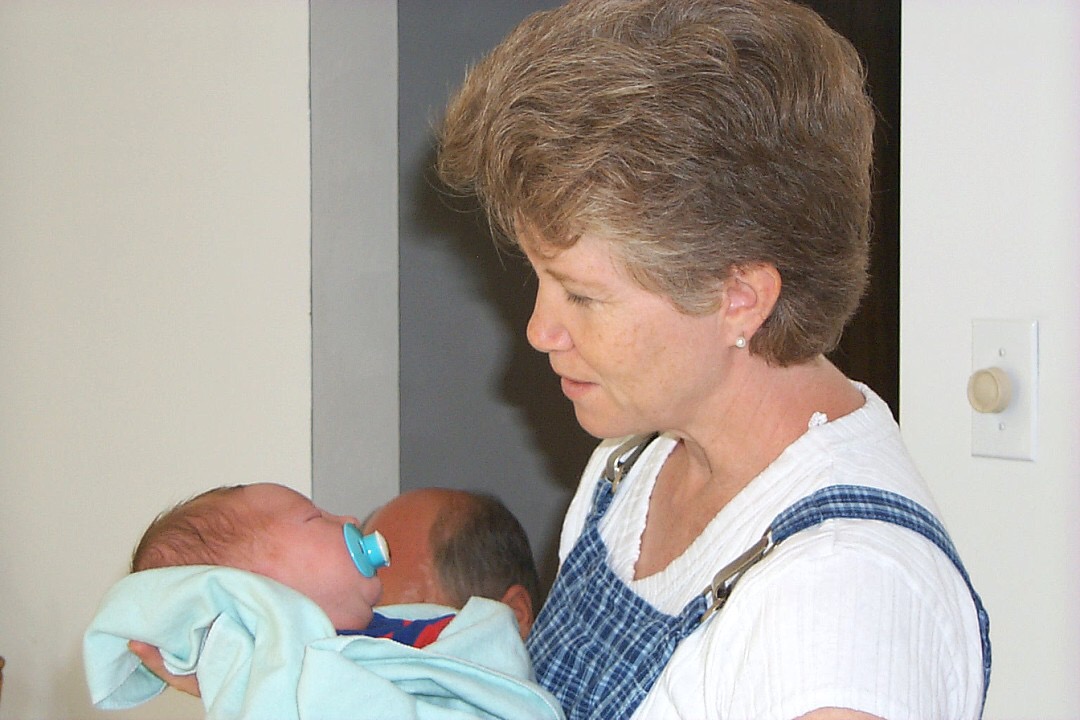
He is the first born of my firstborn – the one who made me a grandmother. The first one to call us Nana & the Colonel. He came to us new and tiny and amazingly sweet. And now he is old(er), and taller than any of us (by a long shot), and still amazingly sweet. He came into a family of untested grandparents and aunts and uncles and parents and we wrapped him in the blanket that his great-grandmother Fletch made for his dad and swallowed him up in our tribe and he was the first.
We were in the waiting room of the Maternity Center when he was born and held him in our welcoming arms when he was only minutes old. From that moment on we were smitten. I forgave my son nearly every transgression and bone-headed thing he ever did for giving me this moment (I later rekindled the grudge, but another story for another day). Later that evening, some of the family went to the house to welcome him home. I was holding him when he spit the pacifier out onto the floor.
We all froze. We were in unknown waters here. No longer the parents, but now the grandparents, we waited for our cue. What was the protocol? Should we pick it up and take it to the kitchen to wash it? Sterilize it? Throw it in the trash and open a new one? I know what I did when it was my babies. . . but those rules no longer applied – this was uncharted territory and I was more than a little uncertain. It was no longer my call. His mother reached down and picked it up off the floor, brushed it against her shirt, checked it for any visible dog hair or other debris, and put in back in his mouth. We all breathed a sigh of relief – this was going to be just fine! And I must say a huge THANK YOU to our daughter-in-law and son for making our first foray into grandparenting so easy. They were beyond generous with all of their sons and patient with our mistakes and I know not everyone is so lucky.
I knew from my own mother some of the ground rules of being a grandmother:
No matter how much you would do it differently yourself, keep your mouth shut and let their parents figure it out themselves. You had your chance at parenting – this is not a do-over for you.
It’s not about presents – it’s about presence. Be present in their lives as much as you can.
It’s not a competition or a zero sum game. Your grandkids need as many people to love them as possible in as many ways as possible. That means that you have to share.
Bake pies. Bake cookies. Bake bread. Bake.
And now he is no longer little but still the first. I’m not sure when it happened, this transition from the little boy to the man, but I remember the day when I thought to myself – it’s happening and there will be no turning back. They were home for a visit – maybe over Christmas. His uncles (whom he adored and always wanted to hang with) were making plans to play a new game – late into the night, after the children were in bed. “You should stay and play with us J!” they offered. But the “littles” were all sent to bed, and his parents sent him up with them. Eventually he made his way back down the stairs and made his appeal – “They invited me to play with them. I’d really like to. Please? Can I?” And so he sat at the table with them that night, laughing and scheming and playing a game with the men. And he fit. He belonged at that table. And I knew. . . something had shifted.
This week he graduates high school and it is both an ending and a beginning.
The end of childhood . . . and the beginning of learning to be a grandmother to an adult and what that will look like. And all I can think of to say is “That’s just crazy talk”.
He was one of the gentlest souls I have ever known. It saddens me to say I don’t think I ever had a real conversation with him – one where we talked about meaningful things. But in retrospect what I think is that to him – it all had meaning. He entered into the “ordinary moments” in such a way that he recognized before the rest of us that looking back, we would name some of these as among the truly extraordinary experiences that would shape and define us for the rest of our lives.
I was lucky enough to be friends with his son. And when you were friends with one member of the family, you sort of became friends with the whole family. I liked the noisiness of their house; the chaos of lots of people and the constant party that seemed to always be in progress and the fact that when I arrived at dinner time they just pulled up another chair and seemed genuinely delighted that there was one more to crowd around their already crowded table. And when they all bowed their heads (a cue I picked up on pretty quickly) he would lead us in a prayer of thanksgiving – and I never in all the years I knew him found him to be anything other than grateful and thankful for all that God had given to him – even in the hard times.
Pretty quickly, I became one of their tribe and would spend the night in the girls’ dormitory – a big room which had been created by closing in the carport and finishing it off as a bedroom for the five girls. In the morning the boys would rise early to deliver their paper routes and then we would all gather around the kitchen table for the breakfast that he had prepared – usually bacon and eggs and cinnamon toast. Lots of cinnamon toast (how that toast got divided is a whole story in and of itself) and while everyone was being seated he would go to their room and wake his wife and she would come to the table in her red robe (probably one he had given her the previous Christmas) and they would kiss and then he would pull her chair out for her and she would take her seat at the table. I asked my friends about it once and they just shrugged and said, “I don’t know. That’s just the way it’s always been.”
They were busy eyeing the cinnamon toast, but I was captivated by this ritual and though I witnessed it many, many times over the years, it never lost its effect. That ritual said it all. He adored her. There is no other word for it. He put her first. Always. It spoke of his genuine, pure, and unabashed love for her and every time I saw it there was something in my heart that ached and I hoped to God that someday I would find somebody who would love me like this man loved his wife.
On his son’s 16th birthday, a group of friends decided to show up at the house and take the birthday boy out to pizza. We all piled into somebody’s car and the bunch of us headed over. When we got there, the birthday boy was out collecting from his paper route customers and no, nobody knew when he would be back. “Well, tell him we stopped by,” we said and being the good friends that we were, we headed out to celebrate his birthday without him. When he got home his dad told him that we had been there and immediately noted the acute disappointment in his son’s face. “Where do you suppose they have gone?” his dad asked. “Oh, I don’t know. It could be one of half a dozen places.” And then his dad, who was tired and probably just returning from work himself said to his son, “Well, let’s go see if we can find them.” So he drove him around until he found us and left him there with us to celebrate. I don’t know why I remember this moment so clearly all these years later except that it spoke to me so profoundly of this father’s sensitivity to the feelings and longings of his son. And having celebrated my own children’s 16th birthdays, I look in the rear view mirror and wonder if maybe he had hoped that they might have a family celebration when he got home from work or he would at least be able to have some cake and ice-cream with this boy-growing-into-a-man. But if he did, he never said as much. To spend his evening driving around town looking for a bunch of kids wasn’t a big thing – except to his son.
When I married into the family, I came to understand that though Paul’s mom was the life of the party and the one who seemed to take care of us all, it was his dad who was the foundation of the tribe. He cared for her like a queen and she reigned over the kingdom well. She was his beloved and in that she had everything she needed. Theirs was a love story for the ages and it changed them both. It changed me. This is the man who baptized me into the faith and then officiated at our wedding. Over the years, many of them before I knew him, he pastored and cared for God’s people. He loved them the only way he knew how – like Christ loved the church.
He died in an accident in February of 2001. His last words were to his wife: I love you. It could have been no other way. A few short months later, his wife was hospitalized and died the next day – on their 56th wedding anniversary. She simply did not know how to be here without him.
The other thing that must be said about this gentle man is that I never saw a baby who did not love him. He was like a magnet and I watched him quiet many a fussy baby who would not be comforted even by their mother (my own included). It was not unusual for him to slip into the bedroom where we were sleeping on our visits home and take the baby downstairs with him to play and cuddle and love – giving us some much welcomed rest. His grandchildren loved him fiercely. When our youngest, Fletcher, was little and figuring out the language and the family relationships, he christened Paul’s parents “Gee-paw and Gee-paw” and it’s what they stayed for a long time. When he grew older, Gee-paw would call most Sunday afternoons to talk football with him after a Redskins or a Broncos game. And Fletcher loved it. I loved him for doing it.
Today is his birthday; he would be 92 years old. And if he were here I would call him to wish him a Happy Birthday and to tell him, “Dad, you done good! Your boy turned out okay. Actually he’s a lot like you. He loves me oh-so-well and the only thing you could have done better was to teach him to cook. Thank you.”
The way the rest of the family tells the story, the reason she was relegated to play the Wookiee in our Star Wars games of make believe was because of the rust color coat she had and her red hair. Okay, that might have been part of it, but the real reason was that she was my partner and what is Han Solo without his partner, Chewbaca. And yes, I did play both Han AND Luke but I was the ONLY brother and besides, it was my game: I would play the hero (Han) and not for the first or the last time, she would be my partner. It is my first clear memory of her.
She was my first sibling and my first sister. She was my first friend and my first playmate. I’m sure my parents told me before she was born that my life was about to change, but I was too young, and that is too long ago for me to remember. I have many early memories of her, but as I grow older, the exact sequence of events gets hazy. I do have some very vivid memories of a Christmas morning many, many years ago in Lawrence, Kansas. We lived on the second floor of a two story house. The living room was wallpapered. In my memory there doesn’t seem to be a lot of paint in the early to mid 70’s – just wallpaper. Regardless, the wall paper was a mist green with a pine cone / pine tree / pine branch print. There was a beautiful Christmas tree set up in the room and we (the kids) were opening presents. I sat opening presents with her. Nothing really remarkable or worthy of a memory maybe, but we sat together in the room with the pine cone wall paper and she was there.
It was in that same house that Tabi got shocked by the electrical outlet. Same room actually. Now there is some debate on the exact sequence of events. Tabi claims I challenged her to stick the key in the outlet. I plead the fifth. I was too young to really understand the consequences of what had happened, but I do know that after she stuck the key in the outlet and all hell broke loose, I was acutely aware of the pain my sister was in, and I knew that this was (a) BAD, (b) I didn’t like it, and (c) I was very scared for my sister. Fortunately for both of us and for the partnership, she didn’t die and I didn’t get in too much trouble. I have other memories from that house with her, most of them involving riding tricycles and playing in the trees in the back yard / alley area. And picking mulberries with her. We used to spend hours picking mulberries together.
As the years rolled on, Tabi continued to be my partner. Of course we fought, like all siblings do, but how many times had we seen Han and Chewie in a heated argument (even if we never really understood it)? That was us. We fought constantly (even if no one understood it), but we always made up.
As I grew older and we no longer played Star Wars on a daily basis, Tabi was the first one that I confided in about my life. Usually it was my crushes, but as a young boy, what else is there in life?
When I joined the Marine Corps, Tabi continued to be my partner. In the fall of 1991 she drove down to Camp Lejeune to pick me up and bring me home for Thanksgiving. A 14 hour drive there and back (who thought that was a good idea?) She didn’t make the trip down to Lejeune often, but she was frequently the one who volunteered to pick me up where my ride dropped me off on many a weekend, whether it was in Maryland, the Eastern shore, or West Virginia. I never truly appreciated the sacrifice that she made to do that, but as a result of those times together, we continued to grow closer.
Once I got out of the Marine Corps, we even made a few additional road trips together. I have vague memories of the two of us almost crashing a car – a memory in which a spider played a major role. To this day I can’t remember who was driving, just lots of girlish screaming and a smashed spider that ended up on the ceiling of the car. One of the screaming voices in the car (the louder one) may or may not have been my own.
As I grew older we continued to grow closer. Even after I was married, and during the times I struggled in my life and I felt that I was all alone, she was consistently the first one to reach out to me, let me know that she loved me and that she was there for me. Her compassion for me during those times was a testament to her name. In Hebrew, the name Tabitha means – beauty, grace – from the Aramaic word for Gazelle. She has been the definition of grace.
Now that we are both adults, she continues to amaze me. She is an awesome aunt to my three boys. She deeply and truly loves them as if they were her own. She is an amazing friend to my wife and loves her as a sister and a friend. When I was injured in an accident in 2014, she took time off work and out of her schedule to drive down to North Carolina to take care of me and my injured Marines, allowing us to heal, and providing the extra support needed for our family during that time. And trust me when I say that cooking and caring for three recovering Marines is a monumental task – one she performed with grace. Chewie himself could not have not done it better.
We both still love Star Wars (and with the recent movie there have been many texts and phone calls), but we have also expanded our love for stories. While Tabi was taking care of me and my fellow Marines, I got her hooked on The Arrow and The Flash. I don’t talk long on the phone very often to anybody. Except Tabi. Every so often I call my partner to discuss the latest plot twists in our stories. And those phone calls I truly do enjoy and love.
She was born two years, two weeks, and two days after me which makes today her birthday.
It was over Thanksgiving break when he wanted to go ring shopping. And so we all tagged along: his dad, his mother, two of his sisters, and two little nieces. Because when you’re the baby of the family, nobody thinks you can do anything without lots of help and advice (and supervision). “We’d like to look at engagement rings,” we told the sales clerk. After we all agreed that yes, this was the one and money was exchanged, we celebrated by going out to lunch. Once home we put the ring safely away until he would need it for the proposal in April “Because,” his dad insisted “you cannot keep this in your dorm room.” Sometimes you just feel the need to state the obvious.
And so the plan was made and we settled in to wait. He came home for Christmas and we got the ring out and looked at it again and talked about what exciting times lay ahead. He returned to school and we all felt good that there was a plan and everything was working according to the plan and that April would be here before we knew it.
But then the plan changed. “I’m thinking I am going to propose on Valentine’s Day. Could you bring the ring down this weekend?” What happened to April?? Valentine’s Day was on Monday.
And herein lies the problem: this was the winter of 2010 – “Snowmageddon” as it came to be known. The third of four monster snowstorms to hit the east coast that year came on Monday and Tuesday, Feb. 9th and 10th. We would be buried in a mountain of snow. The roads would be terrible. This was a disaster waiting to happen. I said no. But because his dad is a romantic at heart and because he is always up for an adventure, he said, “Oh the roads will be cleared on Wednesday and we’ll drive down on Thursday and back on Friday. Sure.”
The next problem to be solved: though the main roads may or may not be cleared on Wednesday, our cul-de-sac certainly would not. Paul thought we could shovel the driveway and once out on the street we might just be able to drive through the foot of snow on the road. Plan B: maybe we could shovel our street enough to get the car out to the main road. Seriously? But here’s the really cool part about a snowstorm – people who are pretty much strangers the rest of the year come together and pull together and become neighbors. So when they saw what we were doing and we told them why we had to get out, they all took up the challenge and with one little snow blower that the woman on the corner owned and the rest of us armed with snow shovels and a spirit of romance and adventure, we shoveled out our street to the main road and we were free! The Black Gate is Open
We stopped in Frederick to pick up Tabi because of course schools were closed and would be for the rest of the week and since she would be trapped in her classroom of first graders well into the summer to pay for all these snow days, why not join this party of adventure to deliver the ring to her baby brother who so badly wanted to pull off his Valentine Proposal? And besides, it’s hard to have a fellowship of the ring – with only two people. And Three is Company.
The next obstacle: Journey to a Crossroads. We exited the interstate highway to travel along the state highway and so far so good. But then we saw the police cars blocking the road ahead. “Is there no way through?” we asked the officer. “No, the snow has drifted and we have to close off the road.” (The Black Gate is Closed) How long before it might reopen? No idea. We explained our mission. We were the Ring Bearers and we must make it to Mordor Lynchurg – the fate of the proposal was in our hands. And for whatever reason (adventure, romanticism, boredom) one of those kind police officers stepped up. “Follow me, I’ll get you around this and back to the highway.” said Officer Strider. Okay, that wasn’t really his name but it could have been. Which is how the Fellowship of the Ring found itself with a police escort across the backroads of Maryland into Virginia until we were once again able to travel the highway.
We sent texts along the way to friends back home who knew of our secret mission. “The Ring Goes South”. The reply comes back “Keep it secret. Keep it safe.” “If Sharon starts calling the ring ‘my precious’, abort. ABORT!!” And so it went for four hours.
We did make it to Virginia that day. We went to Joy’s house and Fletch and Emily met us there for a visit. (A Long-expected Party). I chatted with Emily while Paul and Fletcher headed to the back room (Many Meetings). I asked if they had plans for Valentine’s Day. She wasn’t sure if he had made a plan yet. A Conspiracy Unmaskedwould happen soon enough.
We all went to dinner that night and chatted about the storm and how this would be one we would all remember and tell stories about for years to come. Amen to that.
The next morning we were Homeward Bound to await the telling of the rest of the story.
My mother was born on January 7, 1904. I’ll save you the math. She would be 112 years old today.
In 1904 the average life expectancy was 47. There were only 8,000 cars in the U.S., and only 144 miles of paved roads. The maximum speed limit in most cities was 10 mph. Only 14 percent of the homes in the U.S. had a bathtub and only 8 percent of the homes had a telephone. The average wage in the U.S. was 22 cents an hour and the average U.S. worker made between $200 and $400 per year. Ninety percent of all U.S. physicians had no college education. Marijuana, heroin, and morphine were all available over the counter at corner drugstores. One pharmacist sold it with this endorsement: “Heroin clears the complexion, gives buoyancy to the mind, regulates the stomach and bowels, and is, in fact, a perfect guardian of health.” A different world and a different time, right?
Hazel and her sisters
Her father was a trapper and a true pioneer. He built the family home himself, a large house on the edge of town to accommodate his three sons and four daughters. He traveled to the city to buy clothes for his daughters, coming home with the latest fashion and the correct sizes. What kind of pioneer does that? I never knew my Grandpa Barnes – my loss.
Mom graduated from high school at 18 and went to the State Teacher’s College, got a teaching certificate and taught in a one room school house before she married my dad. In 1923 she was a college educated woman with a career – ahead of her time in many ways.
Whether shaped by temperament, by personality or by life events, she was a strong woman – one of the strongest I have ever known. She lived through two World Wars, raised five children in the Great Depression, cooked for a never-ending string of farm hands, cleaned houses and sold eggs, nursed her family through small pox, scarlet fever, whooping cough and polio, sent two sons to war and bore a sixth child at the age of 47. She became a widow at the age of 51, left the farm and started over with two dependants, a four year old daughter and a 21 year old disabled daughter. Once again, ahead of her time, she was a single working mom in the 1950’s.
I never knew the fashionably dressed teenage flapper or the auburn haired school teacher or the young farm wife or the woman who washed out her children’s clothes at night so they could wear them to school again the next day. The woman I knew had white hair and walked to the hospital every day where she worked as a cook. Once a month we took the bus downtown where she would deposit her paycheck in the bank, and we would eat fried shrimp and drink chocolate malts at the Woolworth’s lunch counter on Main Street. My mother never learned to drive a car. On my sixteenth birthday I got my driver’s license and we took the bus to the car dealership where she paid cash for a brand new 1966 Dodge Dart. I became her transportation to work, to the grocery store, to the doctor’s office. She was a terrible side seat driver (a habit I either learned or inherited from her), gasping at every stop or start or at the sight of another car. I didn’t like driving then and I don’t like it now.
She was an exceptionally practical and pragmatic woman. Probably because life had made her so. In her 80’s when she began to fail, she called my sister one day to take her to the funeral home. My sister assumed a friend of hers had died and she wanted to go to pay her respects. Not so. My mother was there to browse. She wanted to pick out her casket, plan her funeral and pay for it.
“I really like the lavender one. Do you think it’s too flashy?”
“I don’t know, Mom. Do whatever you want. I’m really not up for this.”
“Lila, you can do this with me now or you can do it by yourself when I’m gone. Those are your choices. The choice you do not have is to not do it.”
When they sat down with the funeral director to make the final decisions, Mom learned that to have her body moved to Nebraska to be buried next to my Dad would cost more than she was willing to pay. She turned to Lila “You and Tony can just put me in the back of the station wagon and take me there and save the money.”
My sister drew the line. Under no circumstances would she transport her mother’s body anywhere.
“Fine,” my mother huffed. “I’ll just rent a casket, have the funeral here, they can cremate my body and you can take the ashes to Nebraska!”
“Fine!”
“But you make sure they put me in that lavender casket. I’m not going to pay for it and have them cheat me out of it afterwards.” My sister always thought she won that round. I’m not so sure.
She sat Paul down and told him what she wanted from him. She wanted him to preach. She told him the verses she wanted him to use. She wanted him to sing. She told him the songs she wanted. “I’m really not comfortable with all of this, Hazel. It sort of turns it into the Paul Abbott show and…”
“But it’s really not about you, is it?” she said. “It’s my funeral so I get to say how it will be.” And that’s how it was.
In the last decade of her life she moved into a small apartment in a retirement home. It was an adjustment for her but she figured it out. When she’d been there a couple of weeks I called her to check on her. “How do you like it?” I asked. “Well,” she said, “it’s not bad. It’s just that there are a lot of old people here.” She spent her days baking for the old people and checking up on them.
My mother taught me many things. She taught me how to make pie, how to stretch a grocery budget and how to bake bread. She taught me that life isn’t fair but I could be. She taught me that sometimes you do what you have to do even when you don’t feel like it. And she taught me this: “When you are young, you have to practice being the kind of person you want to be when you are old.” When she was old sick and dying, she was gracious and grateful and appreciative. I’m still practicing.
I loved my mother. I didn’t always understand her or the world she had come from, but I know for a fact that she was a strong and remarkable woman. I hope that I am just a little like her.
So maybe today I’ll l have a chocolate malt and offer a toast to a woman who was a pioneer in her own right and one who was ahead of her time. To you, Mom, and Happy Birthday!
When I was a kid, Christmas meant lots and lots of people – many (most) of them kids. We always had out of town family – at least one of my married siblings and their families would drive from Nebraska to Colorado and then there was my sister Lila and her five kids, my sister Lola, my mom and me. Looking back I wonder if they coordinated the timing (I can’t make it home to be with Mom this Christmas so can you go?), but sometimes they all came. I had three sisters, two brothers, and seventeen nieces and nephews. It was, by any anyone’s accounting, chaos, pandemonium, and bedlam.
Our big Christmas celebration was on Christmas Eve. For the kids, Christmas Eve Day was never-ending as the anticipation and expectations mounted to fever pitch. My mother had to work, but the rest of us spent the day at Lila’s. I have no idea what the adults were doing, but the kids were counting down the hours till we could go through the motions of eating the soups – potato soup, chili, and oyster stew (the idea of oyster stew makes me gag to this day), the cinnamon rolls, and the potica (a Slovenian sweet bread that my sister brought to the family from her husband’s side of the family. It wasn’t a holiday without potica) and get on to the happy sound of tearing paper – THE OPENING OF THE PRESENTS! I have no idea what the adults did during the day besides sit around the dining room table sipping coffee (or maybe eggnog?) and visiting and periodically refereeing the unruly mob of anarchy in the family room.
And then one year one of the kids had a stunningly brilliant idea to pass the time (okay. . . maybe it was me. But that doesn’t detract from its brilliance). HEY GUYS! LET’S PUT ON A SHOW!! Of course I would write it, cast it, direct it, and if need be act in it – maybe even in the lead part. I don’t really remember. And so it began: my need to tell stories, to direct theatrical productions, and to be the controlling, bossy one (well. . . maybe that last part didn’t actually begin here). I don’t remember the earlier productions, but I have a clear (and somewhat painful) memory of the year we did “The Night Before Christmas” complete with costumes and little stockings that some of my nieces and I sewed (glued? pinned? taped?) together and “filled” with a couple of pieces of candy which we distributed to the audience (the adults/parents and the younger children who I did not feel were performance ready). And we spent the day, and by day I mean hour-upon-hour, rehearsing. I am quite sure that periodically one of my cast members would escape when I was busy working with someone else to help him “find his character” and try to find a sympathetic parent: “Please!! For the love of all that is holy, get me out of this!!” But I am equally confident that either because my siblings didn’t want to hurt to my feelings or more likely, they were grateful that the kids were corralled (somewhat) and out of their hair for a little while, they would send them back to me and the rehearsals would continue. And then my mother (their grandmother) would return from work and before dinner, everyone found a spot on the floor or a couch, and the production was under way.
After dinner, we would all be rounded up again and a couple of the adults would load up the station wagons with kids and take us out to see the Christmas lights. Of course, nobody wanted to go but this was a required activity and so we acquiesced in an effort to move things along. While we were gone the rest of the adults prepared for Santa’s visit. All of the “Santa Gifts” must be wrapped and tagged and sorted into big trash bags and left in the garage so that when the hired Santa arrived, he could put them into his bag, enter through the designated door (rather than the chimney for which the adults always offered a multitude of excuses) and while his clothes were not tarnished with ashes and soot, he would have a bundle of toys flung on his back and look like a peddler just opening his pack. Let the tearing of paper commence. And this is how it worked . . . for the most part.
Except for the one year. Apparently Santa had been hitting the eggnog pretty heavily before he made it to our stop and it got later, and later, and later. The kids went from restless to belligerent and word began to spread through the crowd, beginning with the older ones. “I told you this whole thing is made up.” “There is no such thing as Santa Claus. . . it’s just a hoax that’s been perpetuated on dumb little kids.” “I knew this was too good to be true. ” “Face it guys, the old guy is a fraud.” Some of the younger kids began to cry as hope and innocence were sucked out of their little hearts. So someone had to do something. I no longer remember who it was (but probably Lila) said something like, “Wait, let me check!” And she went into the garage and came back with trash bags laden with gifts. “Look!! I found a note from him that said he was in a really big hurry this year and didn’t have time to stop but he left these for you.” Seriously? In trash bags no less? But the adults began handing out presents, and I heard one of them mutter under their breath, “I’ll be damned if he gets paid a dime for this fiasco.” Or something to that effect. I think I heard years after that he did show up later that night – His cheeks were like roses, his nose like a cherry – looking for his check, but I doubt that worked out very well for him.
I don’t know if this was the same year as what later came to be known as the great cash register debacle or not but it would make sense that these happened in the same year. My niece Shirley wanted a toy cash register for Christmas. One with buttons you could push and the number of cents would pop up and a button you could push for the drawer to open and it would ring.
This was the one thing that her heart truly desired and she asked Santa for it; she was assured by her mother (my sister Minnie) that yes, indeed, she could count on Santa to know exactly what she was talking about. So I don’t know if the tag fell off in the confusion of the missing Santa and then was placed on the wrong package or how it happened, but when the gifts had all been distributed and opened, her cousin Pat ended up with the cash register. Pat was thrilled because until that moment she hadn’t realized how very much she wanted a cash register, Shirley was devastated, and no matter how many different explanations the adults offered (Maybe Santa got confused and forgot you were going to be in Colorado so he left your cash register in Nebraska; Maybe Santa couldn’t read your handwriting; Maybe Santa ran out of cash registers and his elves didn’t have time to make any more; Maybe Santa intended for you and your cousin to share a cash register – this one never had a chance of getting any traction; Maybe. . . ) Shirley never really made her peace with Santa after that.
Looking back, I think we must have seemed a lot like the Herdmans from The Best Christmas Pageant Ever– and if you have never read that book, you should stop reading this and do that right now! We were a loud and rowdy bunch and maybe just a little bit irreverent and wild – like the Herdmans. My only regret is that my story takes place in the 1950-1960 time frame and Barbara Robinson’s story wasn’t written until the 1970’s, because had it been around back then, I would have loved to cast it and direct and perform it with my family. On any given year, we had a Ralph and an Imogene, an Ollie, a Claude and a Gladys (and sometimes a baby Jesus). And over the years, as I read this story to my own kids, I could see all of us in Lila’s basement with bathrobes and shepherds staffs and aluminum foil crowns. I knew exactly how I would have cast it.
I knew who would play Imogene. Imogene’s Mary was loud and bossy and fiercely protective of the baby Jesus –“ ‘Get away from the baby!’ she yelled at Ralph, who was Joseph. And she made the Wise Men keep their distance, too.”
I had a pretty good idea of which of my nephews I would cast as Ollie and Claude and Leroy who were more like Wiseguys than Wisemen but were convinced that gifts of gold, frankincense and myrrh made crummy gifts to give to a baby so instead substituted their ham from a donated food basket (we might have substituted Potica).
And I knew exactly who would play Gladys: the Angel of the Lord. Gladys, who felt totally free to improvise her lines and I thought pretty much got it right
“Shazam!” Gladys yelled, flinging her arms out, smacking the kid next to her.
“What?” Mother said. Mother never read “Amazing Comics.”
“Out of the Black night with horrible vengeance, the Mighty Marvo –“
“I don’t know what you’re’ talking about, Gladys,” Mother said. “This is the Angel of the Lord who comes to the shepherds in the fields, and –“
“Out of nowhere, right?” Gladys said. “In the black night, right?”
Gladys “with her skinny legs and her dirty sneakers sticking out from under her robe, yelling at all of us everywhere, ‘HEY!!! UNTO YOU A CHILD IS BORN!!!’ “
As if it were, indeed, the best news in the world.
This is not my story. I’m not even a minor character in the story and in fact I wouldn’t be born until six years after the events recounted here. But it is a story that belongs to my family and shaped all of them who then, in turn, shaped me. Parts of it I learned from my mother – it was so a part of her and marked her in a way that I’m sure not even she realized. Parts of it I learned from other family members who lived through it and parts of it from those who came later – the ones who would ask the questions and record the answers.
My mother would say that it began on Dec. 7, 1941. The day that Japan attacked Pearl Harbor.
My brother is 16 years old, a farm boy from Nebraska. “I’m going to join the navy!” he announces with the passion and bravado and I-dare-you-to-stop-me attitude that only a 16 year old boy can pull off. My parents refuse to sign for him. “You will stay in school,” my mother insists (a decision she would second guess before it was all over). If Uncle Sam still needs you after graduation, then so be it.”
After graduation, the letter comes. He is needed, the draft letter explains. And so, just like that, Don Fletcher is drafted into the Greatest Generation – one month after his nineteenth birthday.
By early December, he is in France and headed into the Ardennes Forrest with the 106th Infantry Division assigned to the 423rd Infantry Regiment. Within days they will be engaged in what would later come to be known as the Battle of the Bulge – the largest and bloodiest battle of World War II.
They are told to expect the Germans to throw a few artillery shells, they will fire a few back. No shots have been fired in the past six weeks. This will be a minor skirmish, not a big deal. Early in the morning of December 16th, the artillery shelling begins. It goes all day and all night and on the morning of the 17th, the Germans come for them. It has begun to snow and the skies are overcast, grounding the Allies superior air power. On December 18th, Don is wounded in the arm and trades his M-1 rifle for a 45 semi-automatic because he cannot fire a rifle with one hand. They are going into their third day with no sleep, no food, and the only ammunition they have is what they are taking off the dead. They are surrounded by German troops and cut off from the Allies. At 2:00 p.m. on December 19th word comes down: destroy all personal identification except for their dog tags and prepare to surrender. Two hours later the white flags are raised, and my brother officially becomes a prisoner of war.
The telegram was sent to the Post Master in the small town of Wauneta because there was no phone at my parents’ farm. He brought it to the high school where my brother Irvin and sister Lila were in class and they carried the news home to their parents: Donald E. Fletcher was Missing In Action. And just like that – everything changed. Christmas came and went – unheeded and uncelebrated. My mother’s auburn hair turned gray and tears became her constant companion. My dad got quieter and worked harder; my sister Lila (a year younger than Don) put her plans for nursing school on hold, and life came to a standstill.
When the German soldiers divide their prisoners into the wounded and the non-wounded, Don is taken to a field hospital – a barn with hay on the floor and sheets over the hay. One stall is designated for surgery where they operate on the German casualties during the day and the prisoners at night by lantern light. After his surgery, Don is moved to the “hospital” which is a nearby school the Germans have commandeered. On Christmas Eve some children come through the halls, singing Christmas carols in German, but Don recognizes the tunes and is re-oriented in time. A nurse arrives with a Christmas meal, a big dishpan filled with fried potatoes, and dishes out a meager portion. It is the best meal he will have in captivity.
When he is considered sufficiently recovered to be moved, he is taken to a POW camp across the border into Germany. A German soldier tells him that if he arrives at the camp with his watch and his class ring, they will be taken from him. “Where would you hide them if you were me?” he asks and is advised to slit the lining of his boot and place them there, which he does. They become to him a promise of home.
Conditions at the camp are dismal and the prisoners are starving. They are fed twice a day – at midday they receive a half a potato in some broth and at night a piece of black bread, sometimes with molasses on it. In the beginning, the bread seems inedible to them, but eventually it takes on the feeling of a treat – almost like cake. He and his buddies pass the time by talking about food: they name every kind of candy bar they can think of and then eventually begin to make up names for their own imagined concoctions. They talk about recipes and reminisce about their favorite meals. They think about food. They talk about food. They dream about food. They are literally dying for food.
At home, friends and neighbors tried to prepare my parents for the worst. It is unlikely, they said, that Don is still alive. So many in the neighboring communities had lost sons, brothers, and husbands. “The sooner you accept it, the sooner you can start to heal,” they advised. “You can’t live with this day after day after day.” My mother prayed, she put one foot in front of the other, she sent her children to school, she waited and she cried. And then the dreams began. Don was standing at the foot of her bed and in his hand was piece of black bread, dripping with molasses. He was smiling. After the dreams started, no one could convince her to think of her son as dead. She didn’t argue with them and she didn’t tell them about her dreams, but she clung to them like life itself.
The Allies begin to push in and the Germans move their prisoners to another camp, deeper into Germany. They are still wearing the same clothes they wore the day they were captured and are covered in lice. Conditions will only deteriorate from here. They have even less to eat – but once a day, there is the black bread.
The prisoners assume the Allies are closing in again because they are loaded onto cattle trucks so closely packed they can’t sit or turn around and trucked further in, then unloaded and forced to walk to the next camp – Bad Orb, it is called. Somebody in camp writes a song to the tune of the Battle Hymn of the Republic and they sing it every morning: We’re living on black bread and a beverage they call tea// We’ll keep right on singing till Patton sets us free// Come get us Georgie Patton//Come get us Georgie Patton//so we can all go rambling home. (I can’t, for the life of me, make those words fit into that tune, but it’s not my story so I will tell it the way it came to me.) The guards don’t like it, but they don’t make them stop either and so they sing.
The last week of March the prisoners and their guards begin to hear artillery shelling nearby and then small arms fire and speculate as to its significance. The gunfire grows louder and in the middle of the night on April 1, the Germans abandon the camp. On April 2, 1945, Allied Forces knock down the gates of Stalag 9B at Bad Orb and liberate 6,000 Allied prisoners. My brother is one of the 3,364 Americans freed that day- it is his 106th day in captivity. Behind the tanks comes the Red Cross, bearing gifts of donuts to the emaciated prisoners. Later they hear stories of freed prisoners eating so many donuts that they die. Nobody knows if it’s true. Not even taking time to get their names or their serial numbers, they put them on planes to France and from there my brother boards a ship to America. He is headed home. He weighs 90 pounds; no one will recognize him as the 180 pound, athletic young man who left the farm thirteen months ago.
On May 3 the Postmaster General came to the bank where my sister was working to deliver a telegram. “The Chief of staff directs me to inform you your son Donald E. Fletcher, private first class, is being returned to the United States within the near future and will be given an opportunity to communicate with you upon arrival.” Ulio, the Adjunct General. Lila took the message home to the farm – to deliver this unbelievable and unexpected good news to the heartsick mother and the grieving father. Many years later my sister wrote of that day, “That was a joyous occasion of course and I was so glad to be able to let them know. Seemed like the emotional reaction to that great event was subdued.” Maybe some hurts and griefs are so deep that they never completely heal. Or maybe they just refused to let their hearts believe what their eyes had not yet seen.
As Don makes his way home by plane, by ship, by train and finally by bus, he grows more and more anxious to talk to his family. When the troop train he is riding stops in Kansas City, he gets off and finds a phone. Because the folks don’t have a phone at the farm, he places a call to our Aunt Myrtle who lives in Wauneta. “I’m sorry,” the operator tells him. “That number has been disconnected.” “Then can you just let me talk to the operator in Wauneta?” he begs of her. Finally she connects him. “This is Don Fletcher,” he says to the man he knew in a different lifetime. “Can you get word to my folks?” he wants to know. “Tell them I’m on my way home. I made it and I’m on my home.” It is VE Day. The day that the German troops in Europe finally laid down their arms. “I’ll tell them, Don. I’ll let them know.”
Finally, he is on a bus, headed for Wauneta. His plan is to go to the high school and get his car from our brother Irvin who has been driving it back and forth to school. He goes to the principal’s office. “Irvin’s not in school today,” the principal says. “Well then, I guess I’ll just walk home.” But the secretary tells him that she will drive him herself. News in a small community travels fast. This is in the days of the “party lines” where you can hear your neighbor’s conversation with her sister-in-law’s cousin when you pick up the phone. Someone has heard someone say that someone has told them that someone heard it with his own ears that there is a Prisoner of War from Wauneta who has made it back and he is in town. The folks’ neighbor, Shorty Lambert, hears the rumor and drives to the farm, “I bet it’s Don!” he told them. “Don is home!!!” My dad says they had heard that he is on his way but aren’t sure when he might be arriving. “GET IN THE CAR!! I’ll take you to him!” And that is when the secretary pulled up in the yard. The missing was no longer missing – the lost was found. Later Don would say, “And that was a happy day.” I can’t even imagine.
Don gets ninety days leave and spends them eating and fishing. Someone complains later that summer that they have caught nothing in the local fishing hole. “Well,” comes the answer, “what do you expect? Fletcher was home for the summer and he fished 110 out of 90 days. He pretty much cleaned that place out.” My mother’s cooking and the therapy of that fishing hole gradually begin to calm if not eliminate the nightmares. He would live with them to some degree or another for the rest of his life. The War had exacted a tremendous toll on him and on our family as was true for so many, many others, but the world was safe and free. We would forever owe a debt of gratitude to those who made it so.
By the time I came into the picture in 1950, war was once again on the horizon. In two more years, the country would ask my parents for their second son and the nightmare would begin again. Instead of Europe it would be Korea, instead of Fascism it would be Communism, instead of Don it would be Irvin, but the heartache, the worry, and the burden would be the same.
Epilogue:
Two years ago, I heard, for the first time, this part of the story.
In 1972 Don and his wife bought a motel in Cambridge, Nebraska. They catered primarily to hunters who would come for the season and spend a week or two. A man named Milton came that first year with his son and some friends. They came back year after year and Milton and Don became friends. One evening, after a day of hunting and some drinks, the talk turned to days gone by and to the war and though my brother rarely talked of his experiences during that time, Milton began to share his story. He had been assigned to the 7th Army and was with the troops who liberated a POW camp near Frankfurt, Germany, on April 2, 1945. The name of the Camp was Bad Orb. Two men whose stories intertwine in an eerie combination of fate or providence and now find themselves these many years later, fast and true friends. Sometimes truth is stranger than fiction.
Yesterday I heard this story for the first time:
For many, many years Don never spoke of his time in the War or his experiences there. He married, had a family, tended his huge vegetable garden, caught fish, and worked hard to support his family. When his oldest daughter Jolene was 12 or 13, a movie about the Battle of the Bulge came on the television. “Sit down,” he said. “We will watch this, now.” And then he told them. Most of it.
My mother said that the son who came back from the war was not the one who left – that somehow a part of who he was died there. How could it have been otherwise? And the 40 year old woman who sent her first born off to war was not the same one who welcomed him home from a Prisoner of War Camp. I never knew the first woman – part of her had died, too, somewhere in those 106 days. My mother could never tolerate the song I’m Dreaming of a White Christmas, and any time it would come on the radio or she would hear it in a store, her reaction was strong and almost visceral. I asked her once why she hated it so. “The year Don was missing, they played it over and over and over until I thought I would go crazy. I hated that song. I hated that they played it on the radio. I hated that other people liked it. I still get sick when I hear it.” Enough said.
And now my son is a Marine. My mother had been gone for seventeen years, and I never missed her more than I did during the months in 2006/2007 when Sean was deployed to Iraq. I stopped watching the news, reading the newspaper, or watching any movie that had anything to do with any war at any time. I sent care packages and wrote letters and waited for mail and prayed that no one in a uniform would show up at my door (today’s version of the telegram). Often I would wake in the night, crying for my mother. “How do I do this? How did you do this? How did you survive?” I wanted – I needed – to ask her. But knowing my mother the way I do, I could almost hear her voice, “What choice did I have? What choice, do you have, Sharon? You do what you have to do. You put one foot in front of the other; you put meals on the table; you pray; when you need to, you cry; and if you’re lucky and God knows it’s the only way you will make it through, maybe He will send you a dream.”
This is a war story and a love story. A story of suffering and of hope. A story about family and about friendship. A story about survival and about hanging on. A story about sacrifice. And so perhaps, in the end, this is my story. Maybe it is a story that belongs to us all: to those who pay the price of service and those who are indebted to them.
It was September of 1965. I was a high school sophomore, though in those days we had junior high (7th-9th grades) instead of middle school (6th-8th) and so this was to be my first year of high school. A whole new world. We were only into the second or third week of school when a kid I knew from junior high and who was in my fourth period English class approached my desk just before the bell rang. He got down on one knee in the typical proposal pose, “Sharon Fletcher, will you be my debate partner?” Are you kidding me?! Stand up! NO!! You’re embarrassing me! I do not want to be your debate partner. Or anybody’s debate partner. Go away! And Mr. Star said, “Paul, what are you doing?! Take your seat.” But after class he was waiting for me.
He explained that the guidance counselor, Mrs. Murray, had called him into her office a couple of days before to see what extra-curricular activities he was planning on joining. He had not been quick with an answer. “You would be good in the debate club,” she announced. Take this note to Mr. Hamn and tell him I have signed you up for the debate team.” And so he did. I guess for no other reason than because he was just a dumb sophomore and didn’t know any better. Mr. Hamn told him he would need to find a partner because everyone else was already paired up and he was the odd man out. So he went to the smartest kid in the class, Tom Holloran (who would end up valedictorian), but Tom was too busy and wasn’t interested. His best friend, also named Tom, was heavy into sports and he definitely wouldn’t have the time. I think he tried a couple of others without success which brought him to my desk in fourth period and seeing as how he was desperate, I was exactly what he was looking for (my words not his but one of my favorite lines from Butch Cassidy and the Sundance Kid.) NO!!!
I thought no more about it until my mother got home from work and asked me how school had gone and I replayed the scene for her, complete with the bended knee. “Weird, right?” I laughed. But clearly she had not taken in the whole cheesiness factor or absurdity of the situation or my insistence that I was NOT interested. She said simply, “Yes. You should do it. You need an activity. This is a good fit. Tell him you’ll do it.” Two things you should know. My mother was a single, working mom (not very common in those days) and I’m sure she saw this as an opportunity to keep me occupied, engaged in a worthwhile activity, and hence out of trouble since how much trouble could you get into in debate club? She had no idea what went on in the back of the bus on those debate trips. And second, if my mother had made up her mind – there WAS no debate. I was stuck.
In many ways, that year changed my life. I learned that I was smarter than I knew and that I was good at something. As it turned out, that something didn’t happen to be debate. I really hated that – though maybe it was just the topic: Resolved: That the federal government should adopt a program of compulsory arbitration in labor management disputes in basic industries (how do I still remember that?) I liked the friends I made that year and how interesting and funny and curious they were about ideas and about life: John (who pasted a bumper sticker on his bare stomach and then discovered it wouldn’t peel off and so every time he moved there was the sound of crinkling paper) and Eddie, Linda and Ann F. and Connie and Mary and Ann W. and all the ones who came after.
Debate Club. 1968
I liked staying in the hotels on overnight trips and getting locked out of our room and staying up way too late even though we had to compete the next day. I liked seeing my name on the list of people who had made it to the next round and that every once in a while I got to take home a trophy. I liked Mr. Hamn who became my mentor in speech as well as in life and wasn’t afraid to tell me about the guy I was dating – “he’s a loser”. And I liked that when Mr. Hamn said that nobody could take up a seat on the bus unless they competed in a second event, I discovered what I really loved and could win at: Drama. But maybe the thing I liked best about that year (though I wouldn’t know it until later) was all the hours I spent at the library doing research with my debate partner and then drinking cherry limeades at Sambo’s across the street and solving the problems of the world. He was a person of faith and helped me to find my own way to faith and since we were both dating other people that year, the boy-girl thing didn’t get in our way. Which is good because it’s hard to solve the problems of the world or worry too much about a solution to labor-management disputes if you’re distracted by love. However, love would follow within a couple of years and deepen over a lifetime.
We only debated together that one year. After that I spent more time with drama and he found another debate partner. I asked him later why he asked me after his first choices turned him down. “Well, I remember that in 9th grade you gave a speech at the Honor Society Banquet and you weren’t that bad.” For somebody who was good with words, he still had a ways to go.
So today as we celebrate our 46th wedding anniversary, maybe we will raise a glass to Mrs. Murray who was just doing her job, to Mr. Star’s fourth period English Class where it all began, to my mother against whom I never won a debate, and to Mr. Hamn and the Centennial Debate Team for some invaluable lessons and great times. Cheers!
She was born in the throes of a fierce Kansas thunderstorm on a hot summer night. The wind hurled the rain against the hospital windows until I thought surely they would break. The lightning splintered the night sky and the thunder cracked open the heavens and the splintering and cracking open of my body seemed to answer back with an ever increasing intensity. Paul sang to me, he read to me, he talked to me and he prayed over me and the storm raged both inside and out. I was exhausted and I was stuck and it seemed we were at an impasse. I had been in this room all day, all evening and all night. The dawn would break before long. The doctor explained “You are stuck at eight centimeters and have been there for too long. We are going to take you to delivery and see if you can push the baby out. If not, we’ll bring you back.” What he meant was, “If you can’t deliver the baby, we will bring you back to surgery and do a Caesarian” (today that decision would have been made hours earlier). What I heard was, “. . . we will bring you back to this room of torture and you will continue to do what you have been doing for the last bazillion hours.” And I knew that hell would freeze over before I would let that happen.
I no longer remember how long I pushed, but I knew that I was nearing my limit. Later, when I looked at myself in the mirror, I realized that I had broken what looked like every capillary in my face from the sheer force of the pushing. The doctor tried forceps and I shrieked at him to get away from me. He sat down on a stool a little ways away to rest (what did HE have to rest from?!) and I knew any minute he was going to call this. And then it was over. In one long and horrific contraction. All at once – just like that. No head and then shoulders and then body. It was like a cannon ball being shot out of the cannon. The doctor jumped, ran, grabbed (several times) and I heard him yell, “I GOT IT!” Her whole body came flying like a bat out of hell, face up, eyes wide open and he caught her by one foot . It was a hard-won fight, but she had prevailed and she would be a fighter for the rest of her life.
We took her home from the hospital to the upstairs apartment of an old, un-airconditioned house (this house and the Kansas summer heat are detailed in other stories). We had acquired a working window air conditioner and so we could cool one room, the living room. On really hot nights we would put the older two kids and Paul on the floor, and I would sleep on the couch. By the time we got home from the hospital the worst of the heat had broken and so the kids were back in their room and Paul and I and the baby slept in the living room: Paul on the floor, me on the couch and the baby in the cradle. Our first night home Paul insisted, “After what you’ve been through, you need to rest (no argument from me there) so when she wakes up, I’ll get up and bring her to you and you just stay put.” We had a plan. About 2:00 a.m. I heard her stirring. “Paul, she’s awake.” Nothing. She starts to whimper. “Paul, can you get her?” Nothing. She begins to cry. “PAUL, can you bring the baby to me?” Nothing. “Okay. I’ll just get her myself.” Nothing. By now she is screaming as am I, “PAUL!!! WAKE UP!!!!!!” At which point, he sat up, put his pillow carefully in my arms, and passed out cold. But his intentions were good.
Maybe it was because it had taken all of her energy just to be born, but from the first day, she slept. . . a lot. Within a couple of days, she was sleeping for 8-10 hours at night, with long stretches in the daytime as well. It was nothing like the first two but I figured each one is different and all was well. . . until we took her to the doctor for her follow up. The doctor weighed her and the drop in her birth weight was alarming. “How often is she nursing?” the doctor demanded. I explained that sometimes during the day she would go for 6 hours and at night 8-10. “But she can’t be hungry,” I assured her pediatrician. “She doesn’t cry.” “Mrs. Abbott, your baby is starving. She’s too weak to cry.” But I cried. And then we went home and set a timer and woke her up every two hours around the clock and every day we took her to the doctor’s office to weigh her in and slowly she began to gain weight and to thrive although it took her an entire year to double her birthweight to 16 pounds. I have always thought that maybe she took that first year to recover from the night we battled through the storm and to prepare herself for the battles she would fight throughout her life.
To quote the bard: “And though she be but little, she is fierce. ” She was not much past her first birthday the night we put her to bed in her crib and retired to the living room to unwind from the day. After about an hour she appeared in the doorway. Really??! Already she was climbing out of the crib? I knew she was a climber but I hadn’t been prepared for this – not yet. But I really was not prepared for what I found when I returned her to bed. She had dismantled the crib, pulling the bars out one by one until she had a created an escape hatch big enough for three of her to wiggle through. But that’s not all. She had removed the sheet from the mattress and discovered a tiny pin-prick of a hole. And now, covering the bedroom floor, were layers of cotton stuffing which she had systematically removed from said mattress until she had almost entirely emptied it of its content.
It was Thanksgiving Day and she was three. She was supposed to be napping. I think it started with the chair. Or maybe it was the piggy bank. Wherever it started, it ended with a trip to the emergency room. She had climbed onto the rocking chair to reach the piggy bank on the shelf and when they all came tumbling down, the piggy bank was shattered and the gash in her chin was going to need stitches. They put her little three year old body on the table wrapped in a papoose sort of straight jacket to keep her from moving because, the doctor explained, nobody could get out of that. She would have none of it and to their astonishment (though not to mine) she was quickly free and fighting them off. The doctor told Paul, “You’re going to have to help the nurse hold her down because we can’t do this if she’s moving and there is no way she will be still without restraint. Her dad leaned in. “Fathie, if you are perfectly still and do not make a move and let them put the stitches in your chin, I will take you for ice cream when we are done.” Okay – she whispered back and her body lay perfectly still and unflinching. Finding someplace to get ice cream on Thanksgiving Day proved to be problematic. But a promise was a promise and after driving the town, we stopped at 7-11 and bought a half gallon of ice cream.
Maybe she was always trying to recover that feeling of flying through the air that she had at the moment of her birth and the sense of being freed from the confines of the womb. She loved the freedom of gymnastics – flying through the air as she came off the vault or doing dismounts off the balance beam. She climbed to the top of the tree in the backyard and when her braids got tangled around the branches, she sent her sister to get me. “Sorry, I don’t do heights. You’ll have to wait till Dad gets home.” So she happily passed the time from her perch overlooking the world until assistance arrived. She loved the biggest and baddest rollercoasters at the theme parks. It was in the days before height restrictions on rides and she begged Paul to take her on a particularly daunting one at Busch Gardens. He hesitated, I think partly because HE wasn’t too keen on it. But she would not be deterred, and so he stood in the line with her and did his best to talk her out of it. As they were being buckled into the car he said again, “It’s not too late. Are you sure you wouldn’t rather ride something else.” She would not. And as they plunged to what felt to be sure and sudden death, he looked over at her. She set her jaw and hung on for the ride and loved every minute of it.
She was and is an obsessive organizer. She clipped coupons every week from the Sunday paper and during our monthly grocery shopping trips was quick to assure me that we could afford to buy the more expensive cereal or snack because she had a coupon. She loved to organize the pantry alphabetically and fussed at me when I did not return items to their proper place. “It would help,” I told her, “if your spelling were better.” Why would I think to put jello under “g”?” She couldn’t have been older than eight when a friend of mine with several small children of her own hired her to be her house cleaner. She would go once a week to Libby’s house: organize the kids’ toys, clean under their beds, rearrange the closets, and heaven only knows what else. When she was still a toddler her grandmother called her “the bag lady” because she always had a bag to carry all of her stuff and her accessories. Periodically she would stop mid-step, dump the bag out on the floor and take inventory and if even so much as a doll’s sock was missing, a massive hunt would ensue until said item had been located. My mother marveled that she could keep track of what was supposed to be in the bag at any given time; perhaps this was the beginning of her obsession with list making that would last a lifetime.
The organizational gene she got from her father. Along with his crystal blue eyes and his wanderlust and love for road trips. They are both wordsmiths and introverts and voracious readers. From me she carried the recessive gene that gave us the only red-headed grandchild though she herself was the only one of the six to have dark chestnut hair instead of red. She got the cancer gene that struck both my sisters and would not once but twice rear its ugly head in her body before she reached the age of 40. She got from me her love of summer heat and baking pies. And if she inherited her love of the open road from father, from me she got the “which way is north?” gene. I think she may be the only person who was as excited as I was when the GPS became standard operating procedure.
From the time she learned to make letters, she was a writer and It was not at all unusual to find on my bed at the end of the day a card or note she had written and left there for me to find.
In the months she lived in Germany she wrote often and eloquently of all she was learning about the land, the culture, the people and the history. When she went away to college, she wrote long and frequent letters home – sharing her life with us as it unfolded. And then again when she moved to Chicago and started her family, her pages-long, hand-written accounts of her life and her thoughts and her musings found their way often to our mailbox. I treasured them all.
As I look back over them now, these boxes filled with her letters, it reminds me how much we have lost with the advances in technology. Her message has changed since those childhood, college and young adult days. Her voice has always been her own.
When the storm was over and the wide-eyed baby girl was in my arms, I knew the name we had chosen was the right one. Faith Leanne – born August 12, 1976. “Faith, without works, is dead, ” writes James. It had taken a tremendous amount of hard work, on both her part and mine, to make it happen. But she was here in this world with all of her beauty and her giftedness and her struggles. She was a survivor and a message to us of God’s grace and of the faith it takes to endure the really hard times. As an adult she would choose a different name for herself, and I’m okay with that. Because, in the end, we all choose our own identities and our own stories, though they are forever and inextricably linked with those we call family.
Post Script: Let me just say how intimidating it is to write about a writer. She would say it so much better and with such poetry, but I can only tell it from my perspective and with my voice – so it is what is : a story about thunder and lightning and love.
She was my second August baby – born in the heat and humidity of a Kansas summer in 1978. We lived in an apartment on the second and third stories of an old house without air conditioning and it was beyond miserable.
Not only that, but we had learned only a few weeks before that the landlord was selling the house and we would need to move. So my friend Lori came and helped me to pack up the house where we ran fans to move the sticky, hot air and tried to keep the six, four, and two year old from killing each other or unpacking the boxes as fast as we packed them. Actually she packed and I sat in front of the fan drinking iced tea. I was nine months pregnant, soon-to-be homeless, tired and hot and cranky, and terrified of the upcoming labor and delivery. The memory of the one from two years before still haunted me and I was convinced this time I or the baby would surely die.
It was too hot to sleep, I couldn’t get comfortable, and about 5:00 a.m. I woke Paul. “I think we should go to the hospital.” “Why, are you in labor?” he asked as he grabbed his clothes. “I think so. Maybe. I don’t know. Not really. But it would be cool there and I think I might be having some contractions . . . maybe.” Paul finally agreed that the worst that could happen is that we could get some temporary relief before they sent us home. By 5:30 we were at the hospital and I thought I might be in labor. Maybe. Much to our surprise, they admitted me and as the contractions picked up in intensity, Paul and I settled in for the long haul, drinking in the cool, de-humidified air. I hoped and prayed that I would have a baby by nightfall, but we were not optimistic. Before too long, the nurse announced in a very cheery voice, “Mrs. Abbott, I think we’re going to have this baby here by breakfast.” Seriously? How could this happen?? And I knew at that moment that there was, indeed, a God in heaven. The delivery was fast, complication free, and almost before we started, it was over. Sarah Leanne – born August 9 at 7:30 a.m. I remember the doctor singing the jingle from the Sarah Lee commercial: Everybody doesn’t like something, but notbody doesn’t like Sarah Lee..
But we still had that pesky issue of our house being sold out from under us. We eventually found an upstairs apartment a block down the street from our previous residence which is a whole story within itself. Once again, it was an old house and we were renting the upstairs but it had no kitchen so we had to build a kitchen and “we” are not carpenters. But another story for another day. In the meantime we were still in August, still in Kansas, and still without air conditioning. So we improvised a plan that we would load up the kids and the baby and Lori in our old van and drive to a pastor’s conference being held at a camp in the Rocky Mountains. We found a great cardboard box to take for the baby to sleep in, threw some sleeping bags in the van and we were good to go. We had grown up in Colorado and we knew it would be cool and dry and besides we could stop by Pueblo at the foot of the mountains and visit my mother so she could see the new baby. “Let’s just make it a surprise visit,” I insisted. It is only in retrospect that I see that what made this attractive is that I did not wish to face my mother’s wrath when she learned of our plan to take a three day old infant on such an odyssey. I reasoned (incorrectly it turns out) that if we showed up on her doorstep she would be so pleased that she would keep her opinions of the wisdom of the plan to herself.
What I did not know at the time is that as we were making our way to the mountains, my oldest sister Lila was traveling across the plains of Kansas. My mother insisted that she take a detour to “check up on Sherry and the baby and to make sure she’s not overdoing. But we won’t tell her you’re coming – just drop in and surprise them,” my mother said. Which is how my sister arrived on the porch of 1223 Ohio in Lawrence, Kansas, to find that not only were we not at home, but that we were on a road trip to Colorado. “That can’t be,” she explained to the downstairs tenants. “She’s just had a baby. They wouldn’t be so stupid as to haul that baby across the country.”
In the “new” apartment, the three older kids all shared one big bedroom and Sarah slept in a cradle (which had replaced the card board box) in our room, but she was outgrowing the cradle which meant we would need to make other arrangements. Our good friends had given birth to their first born a few days before Sarah was born which meant that they too were on the lookout for a crib. And then one night Jim and Libby showed up at our front door holding a big box. “We brought you a crib,” they said. “Because if our baby is going to sleep in a new crib, so should yours.” And they came in and we unpacked it and set it up in the kids’ room and they slept through it all. It was not the first or the last time that God would show his generosity to us and our family through this couple and it was nights like these that linked our stories over the years.
When she was about three we were staying at a campground on vacation – The Blue Mountain Campground in Branson, Missouri. We pitched our tents, cooked over the campfire, went to Silver Dollar City for one day and hung out at the pool for several days. In the days of resorts and beach houses it sounds pretty lame but for somebody with four kids and no money, it was a great way to vacation! It was on one of those “hanging out at the pool” days that it happened. I had run up to the tent for something and Paul was with the kids. The big kids had a beach ball that they had blown up and were tossing back and forth to each other. Sarah didn’t want to get in the water – she couldn’t swim and the water was over her head – and she was happy to stand by the side of the pool in her new “thwimming thoup” and throw the ball to them. On one of the throws she forgot to let go and flew into the pool, lost the ball, and disappeared under the water. Her brother tried to help her but couldn’t manage to swim and carry her and that left Dad, a non- swimmer himself. He lay down flat on the concrete, reached his body and his arm far into the pool and grabbed her, pulling her out of the water. He likes to point out that he is the only non-swimmer in the family and yet the only one to save someone from drowning. Given her inauspicious start to camping, it is surprising that Sarah is the only one of the six who still enjoys pitching a tent in the great outdoors and sleeping on the ground. But she’s adventuresome like that and she gets her love for Nature and the out of doors from her father.
For Sarah, life was about discovery.
When she was about five and learning to read we would painstakingly work on letter sounds, blends, and trying to combine them into words. But it was laborious and less than rewarding. And then one day it clicked and she looked at the letters and they formed themselves into a word and then another and then another. And that tiny little person looked up at me, her face lit up with the excitement of a whole new world that was about to open up to her and shouted, “This is great!! I can read and listen at the same time!!!” And so began her life-long love of reading. To this day, she is one of my best resources when it comes to new and interesting reading material because she is always reading something.
She must have been six or seven when one of the other kids pointed out to me that Sarah was walking around the neighborhood with a clipboard, knocking on doors. “Why?” was the obvious question. They just shrugged. Turns out she was taking a poll to find out who they intended to vote for in the next election. Better than selling vacuum cleaners I guess.
When she was ten we moved into a new neighborhood – one with kids. This happened to coincide with her new found interest in the performing arts and before long she was hard at work: writing, casting, directing, acting and producing a play. It might have been a musical. One summer day a steady stream of neighbors began arriving at the front door – some of whom we had never met. They had tickets in hand and they were there for the “show” – one in which their children had landed starring roles. Sarah appeared and pointed them to the basement, handing out the hand-made programs as they filed past her. “You might need to set up some folding chairs,” she instructed me. “And put out some cookies for intermission.” Got it. They played to a packed house who cheered loudly and applauded wildly and when the reviews were in, they were universally favorable though the show closed before it ever made it to off Broadway.
It was because of her that I began directing high school theatre – something I went on to do for twenty years. She gave me courage to tackle an overwhelming and intimidating task and figure it out as I went – to trust my instincts and to honor the process of creativity. She taught me that.
She went to a small college that really had no theatre department but by the time she left she had built up a whole program and when she graduated they hired her to carry it on. In the beginning she acted, directed, produced, designed and built the sets, made the programs, procured the facility, collected the props – all of it (just like when she was ten years old). In the early years if it got done, it’s because she did it. But to me this is the truly remarkable part: she so inspired others and mentored them that they took on responsibility and leadership and she passed on her love of the art to them. I saw every show she was in and every show she directed in those years and I was in awe of her every single time.
And what also became abundantly clear in those days is that she is one of the most hard-working people I know and she is a natural leader. This she has proven at every job she has ever held.
The other thing I have learned from her is that artistry resides in the soul – not in the equipment. Put her behind a camera and she will capture the moment, the person, the emotion, the beauty or the story every time. She “sees” it and then allows us to do the same. It’s a gift and it doesn’t matter how much you spend on the camera, if you don’t have it then you don’t have it. I have always wished I could just hire her to come and follow me around and take pictures of my life because it would help me to see the mundane or the ordinary as the truly beautiful and extraordinary moments that they are.
And then there is this: she is a story teller. Whether it’s telling you about the man in the airport and their discussion about tattoos, or retelling an old family story, or her photograph of a little girl on the boogie board at the beach, or putting on a play in the basement, she is a master story teller. And we are blessed beyond measure to have her as a part of our story. Something tells me her best stories are yet to be written.
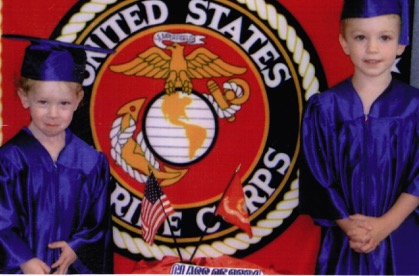
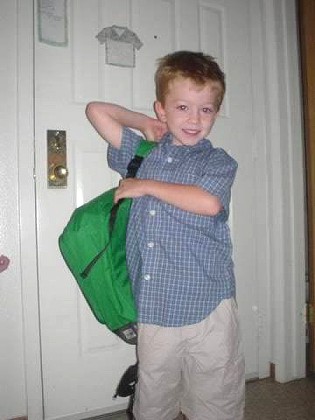
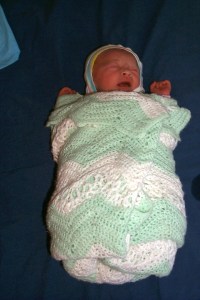
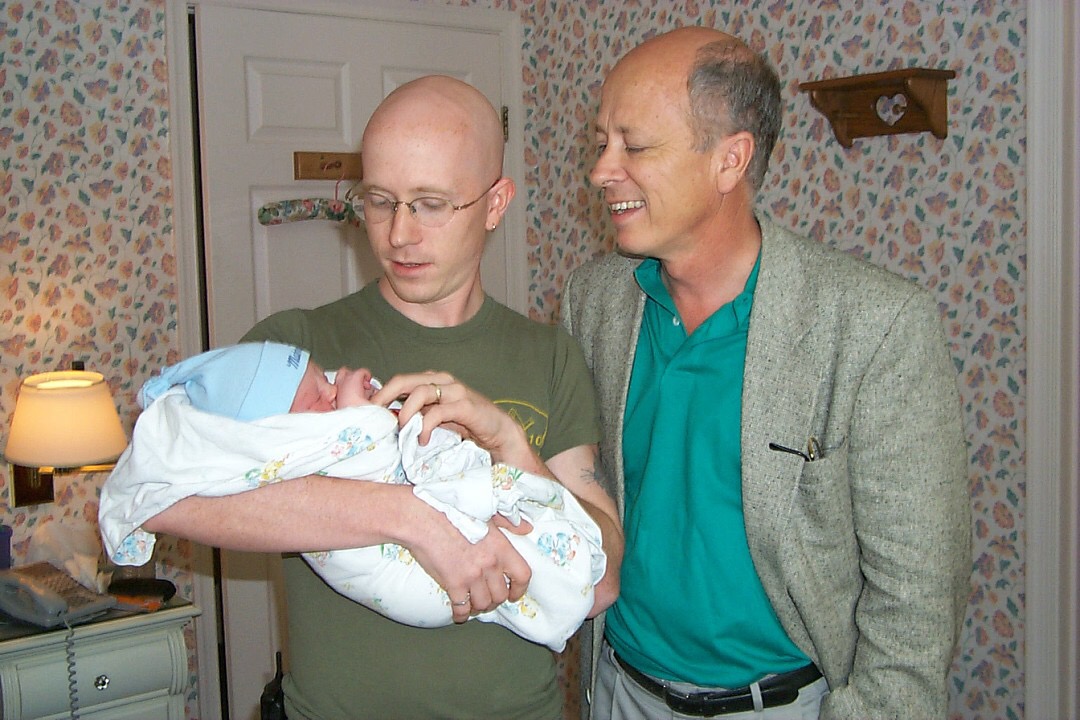

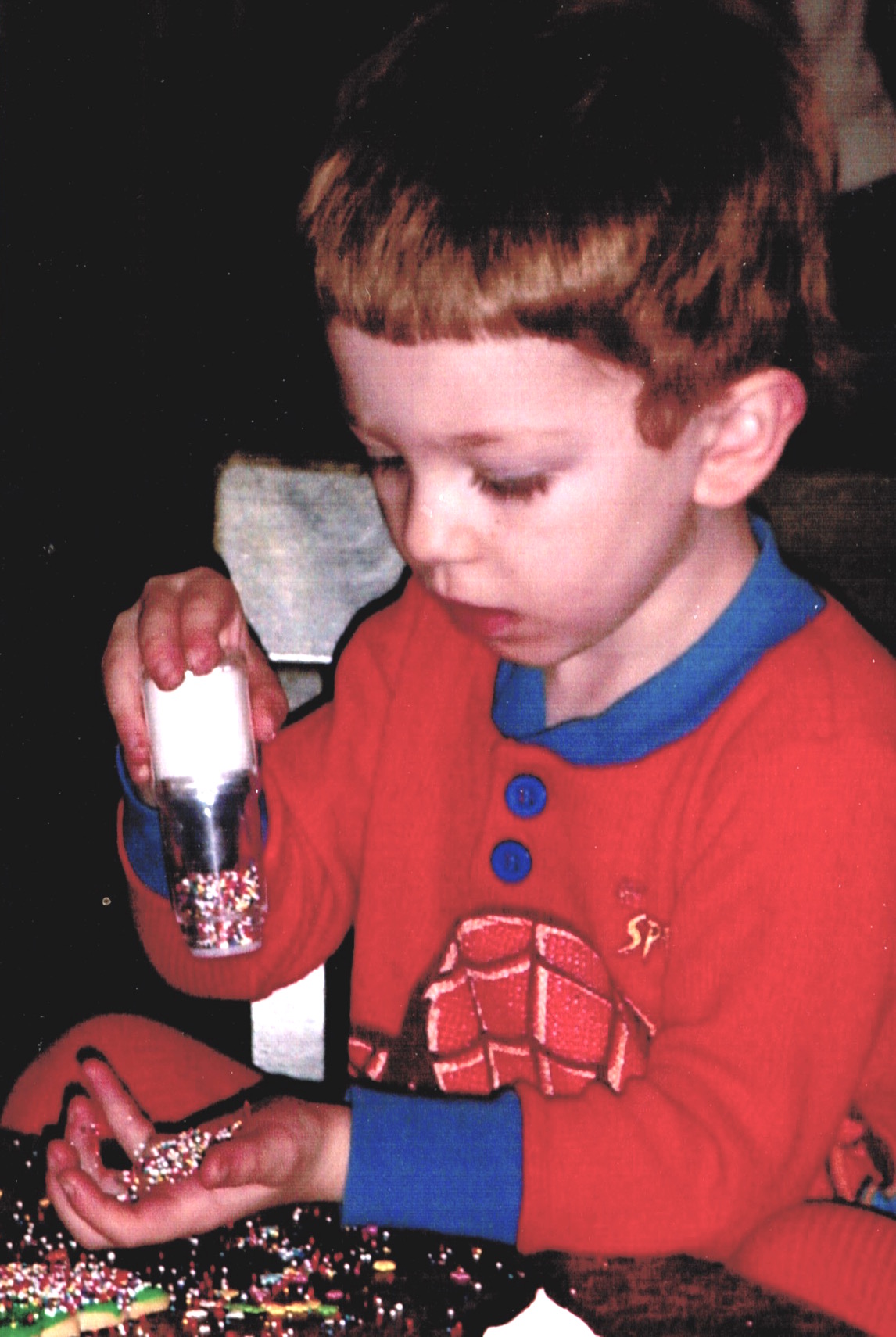

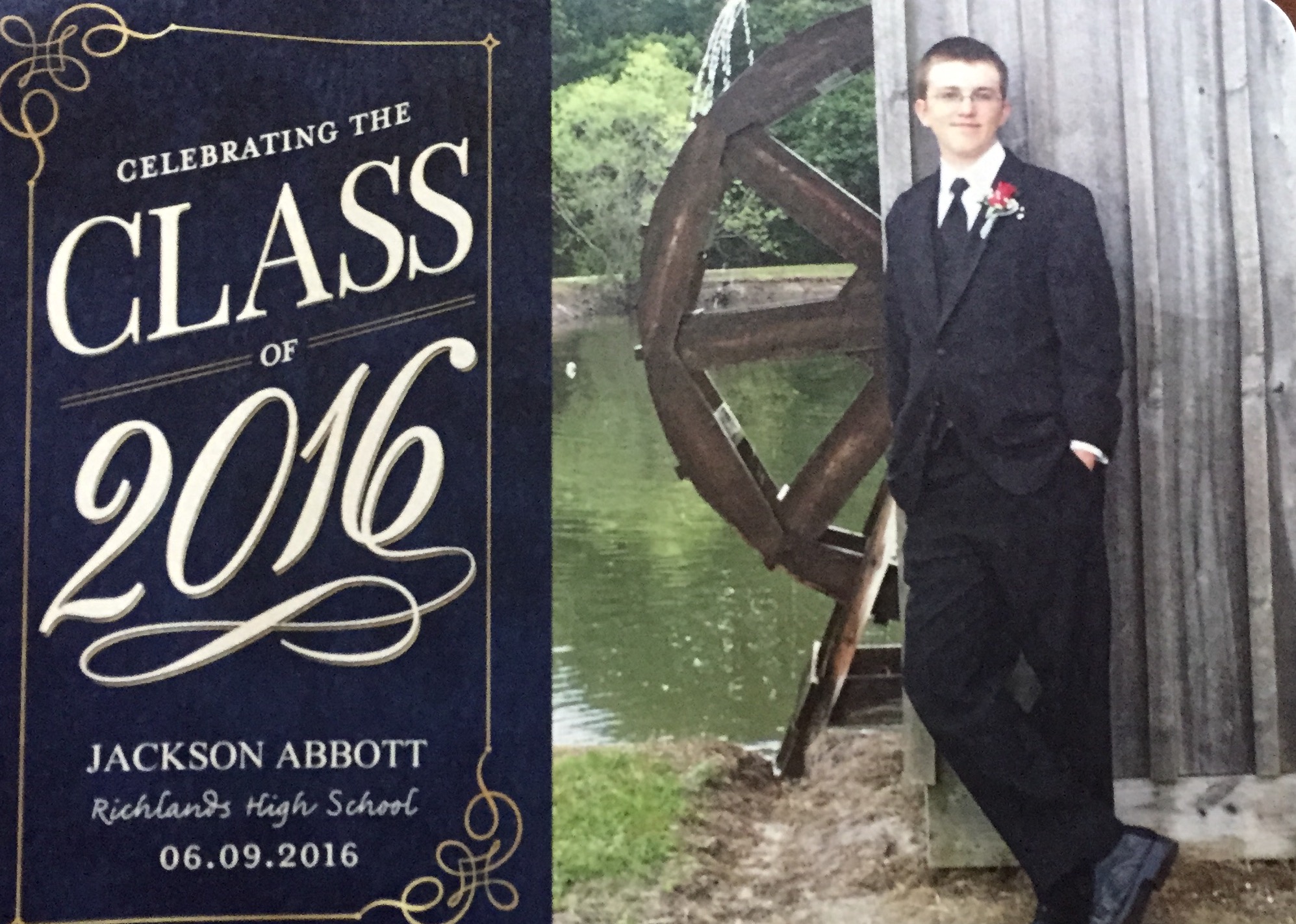
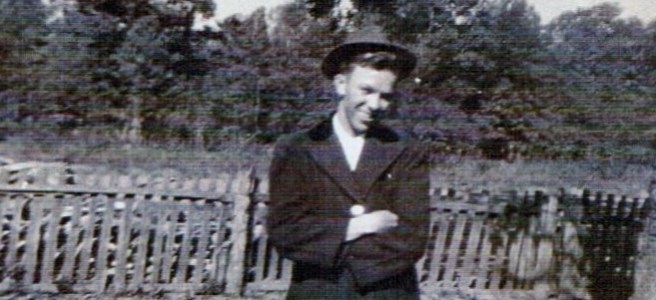

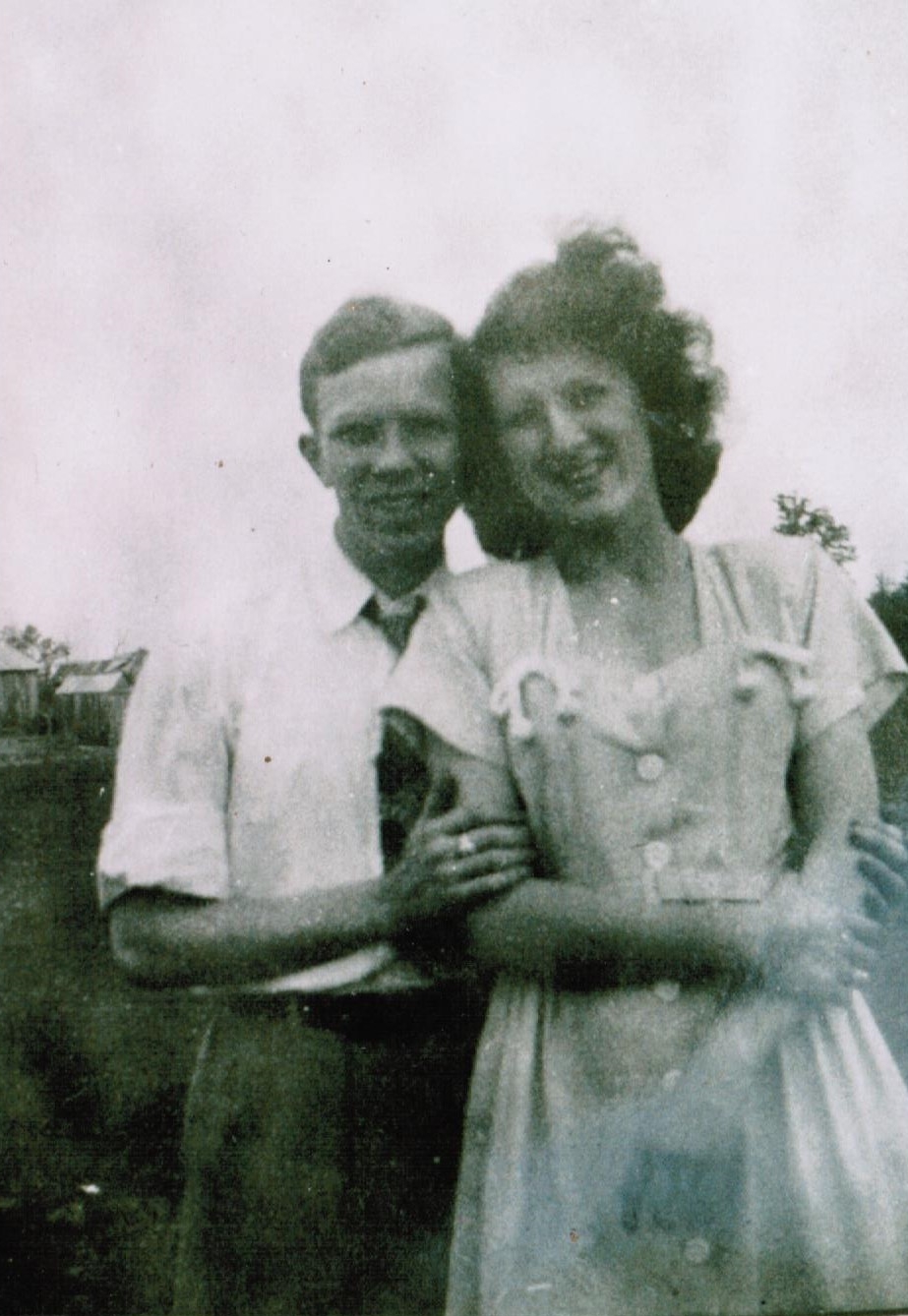


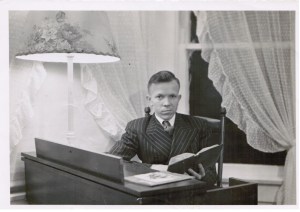
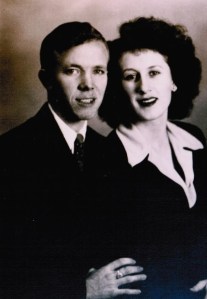



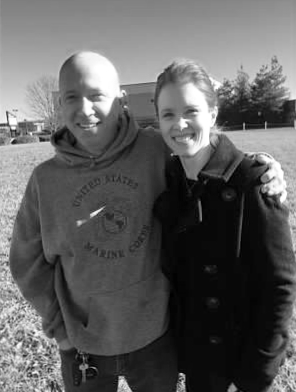


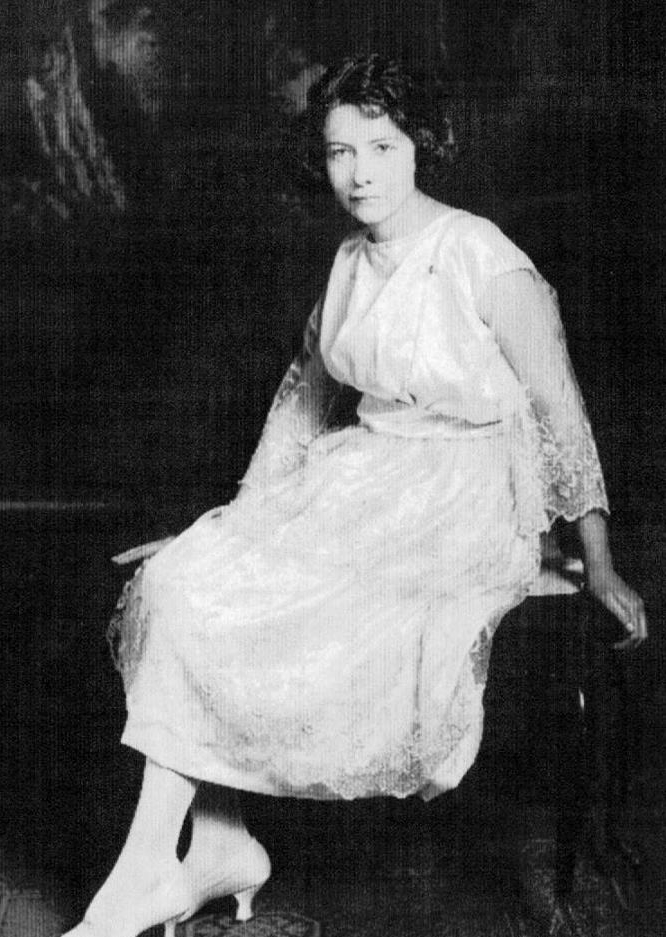

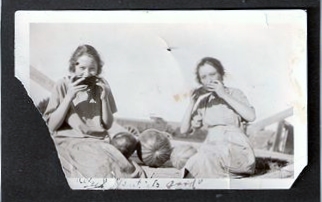
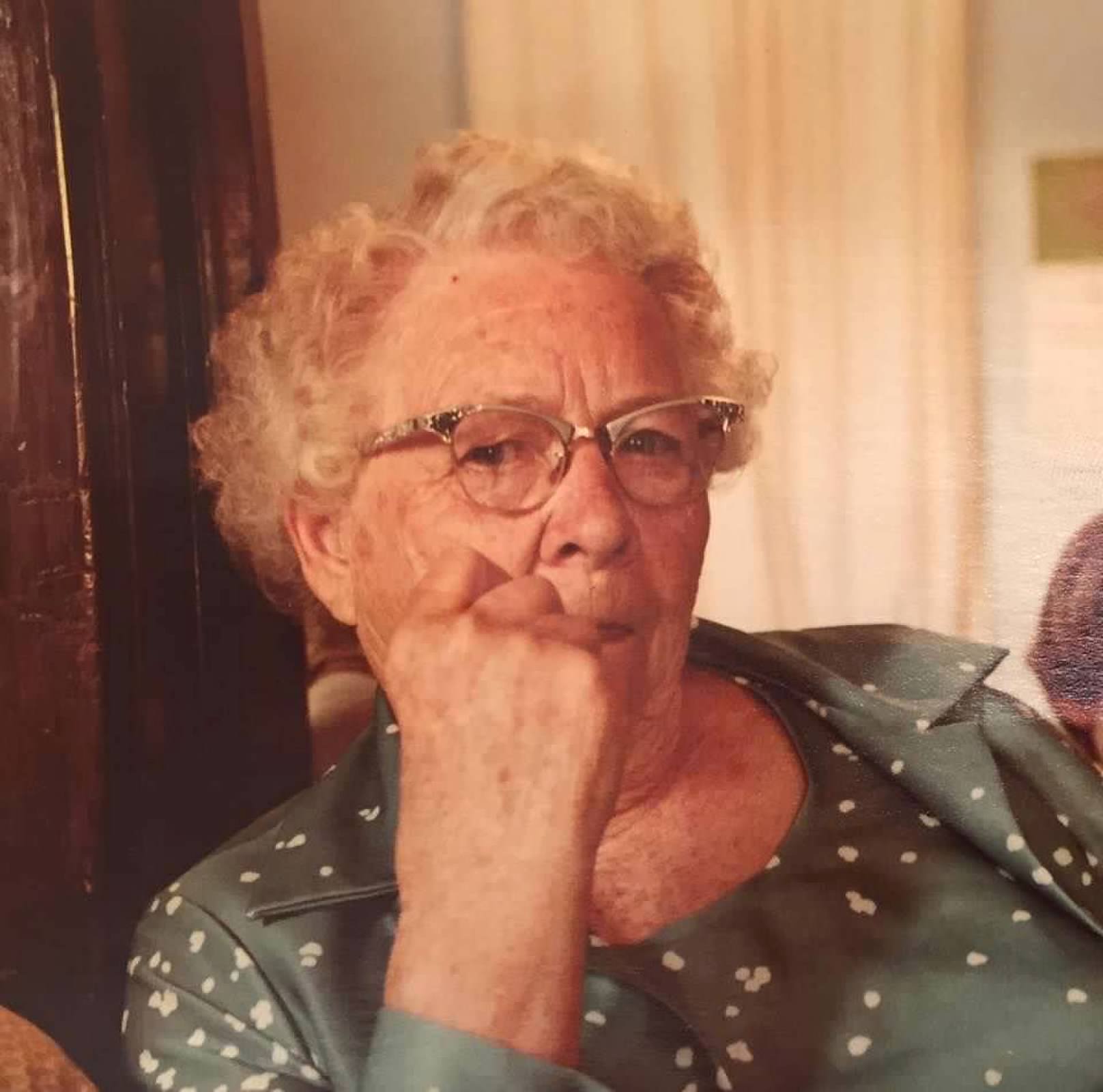
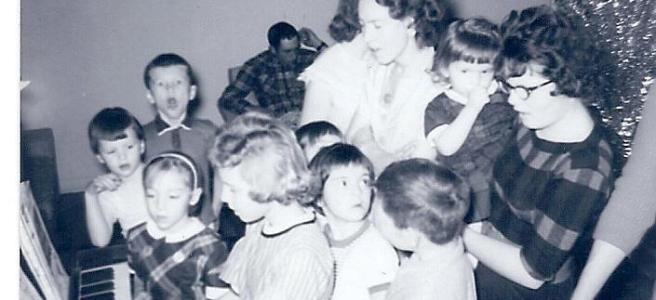


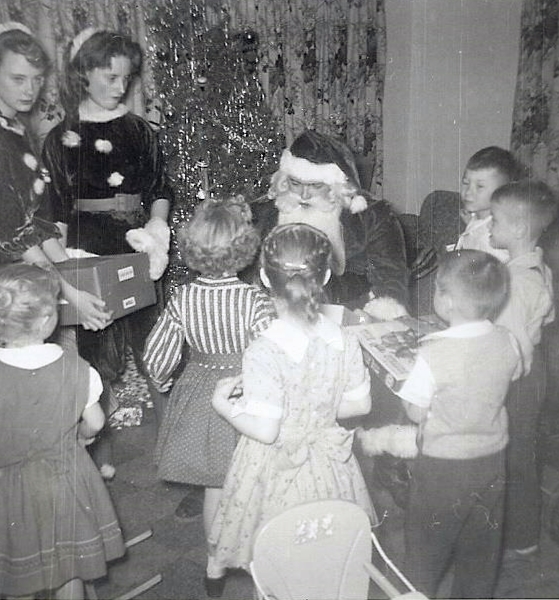
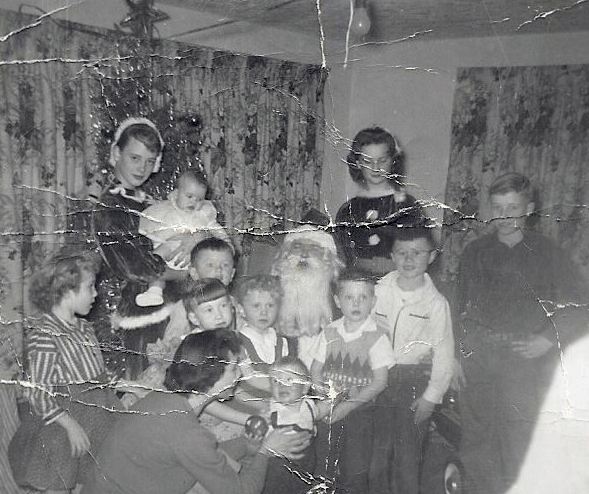
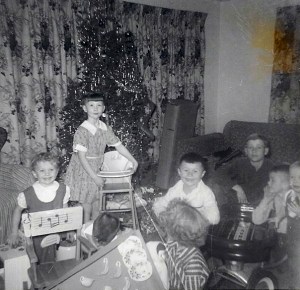


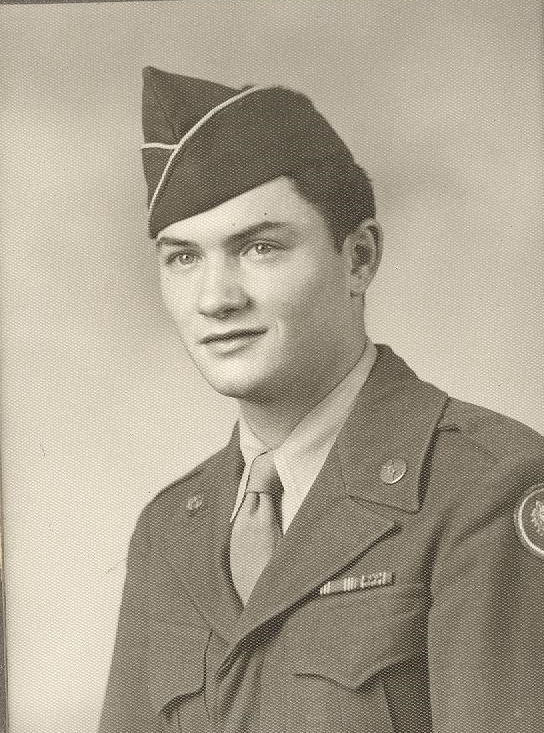
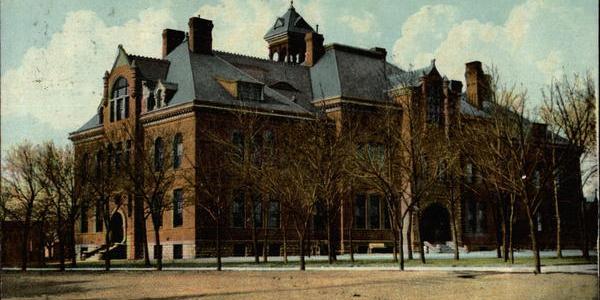



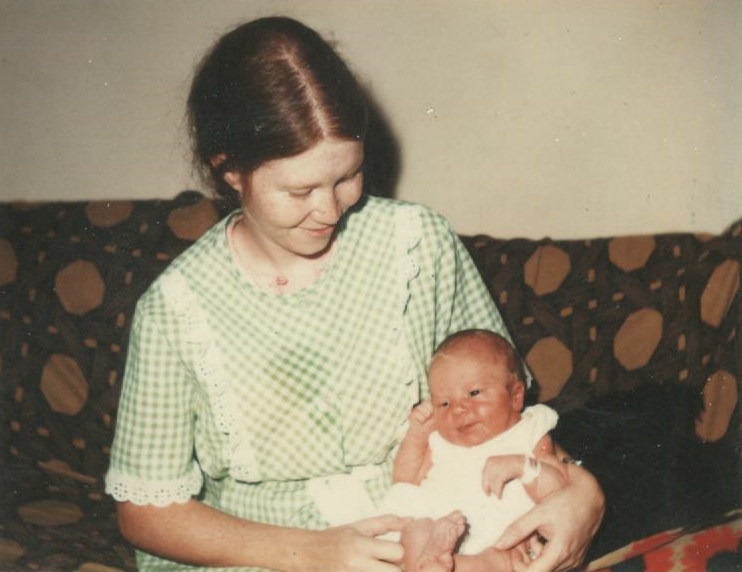



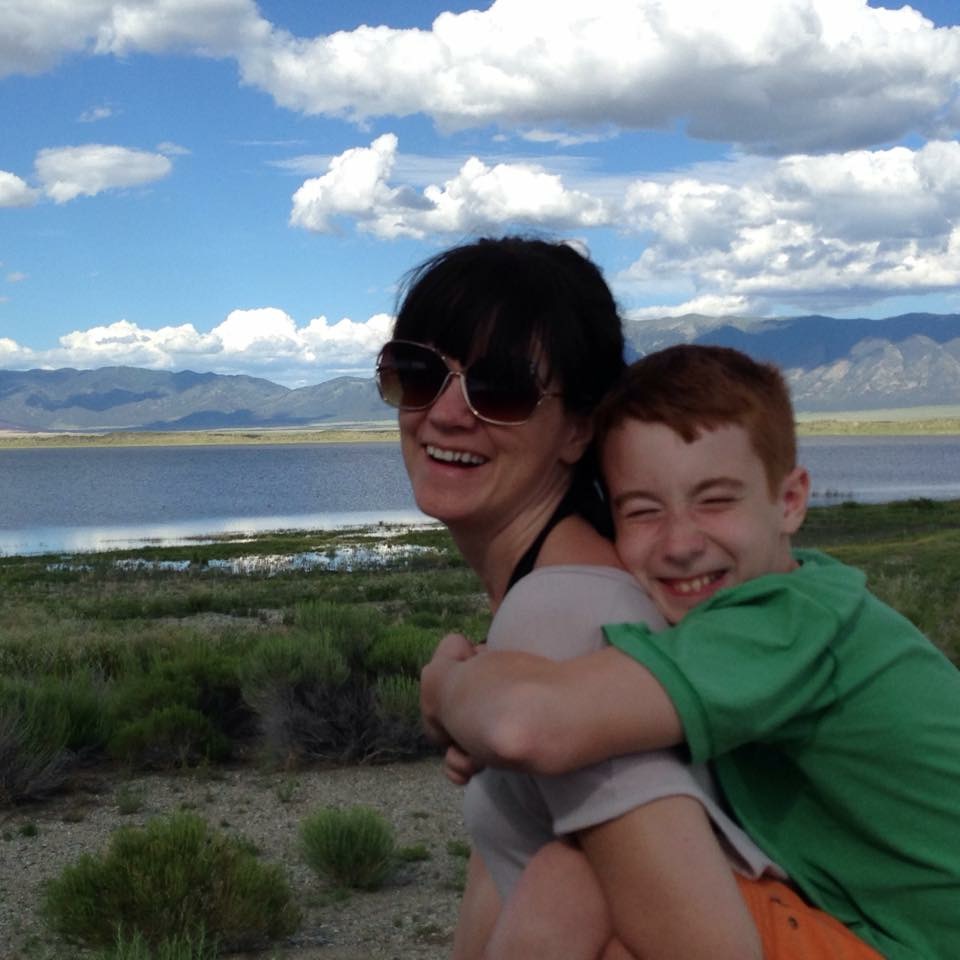
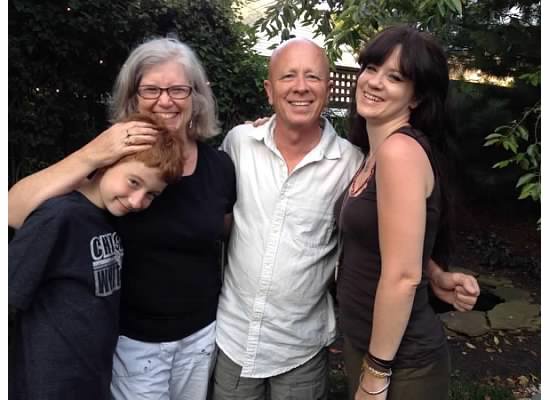

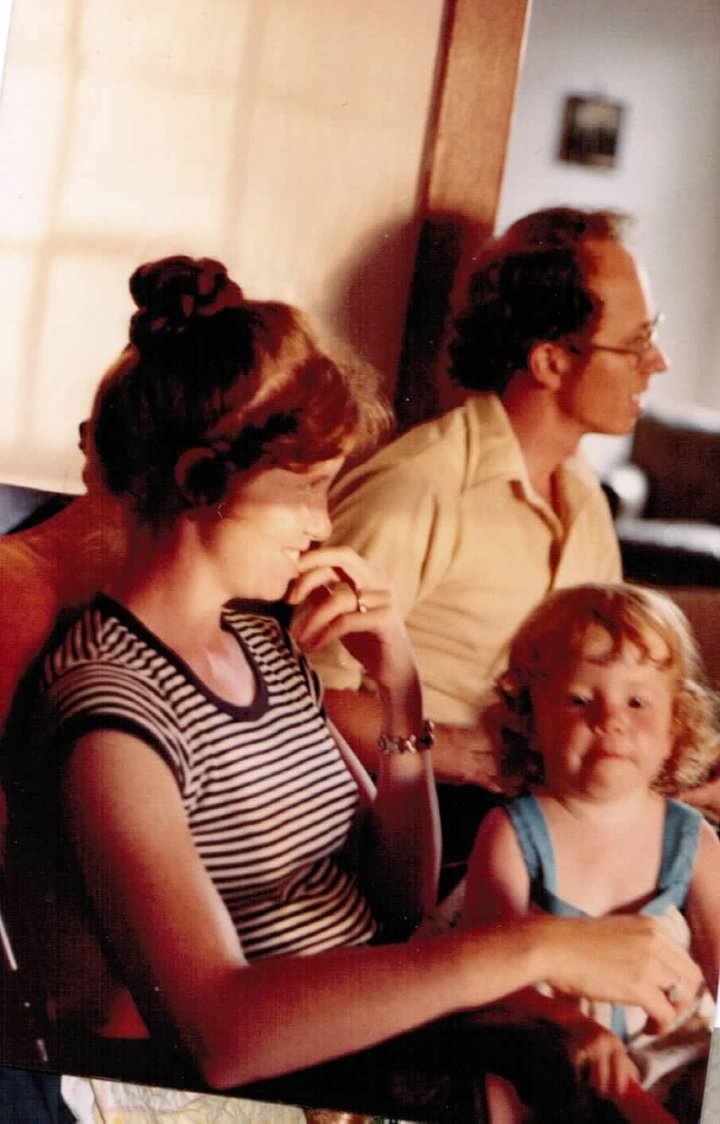


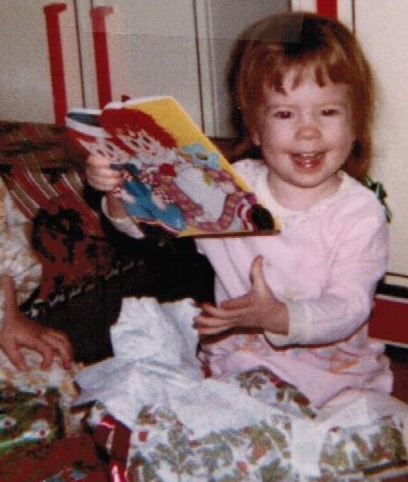
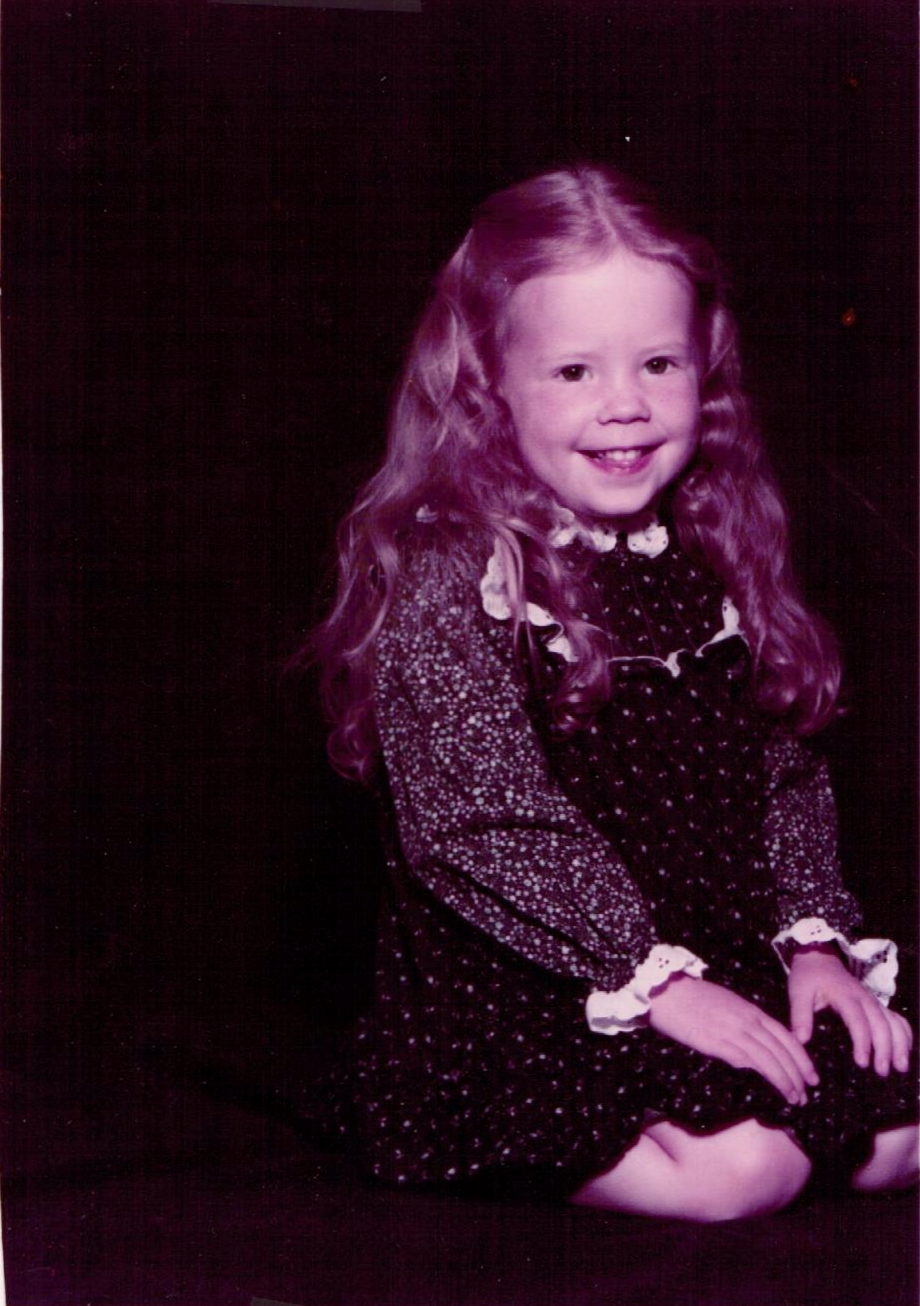
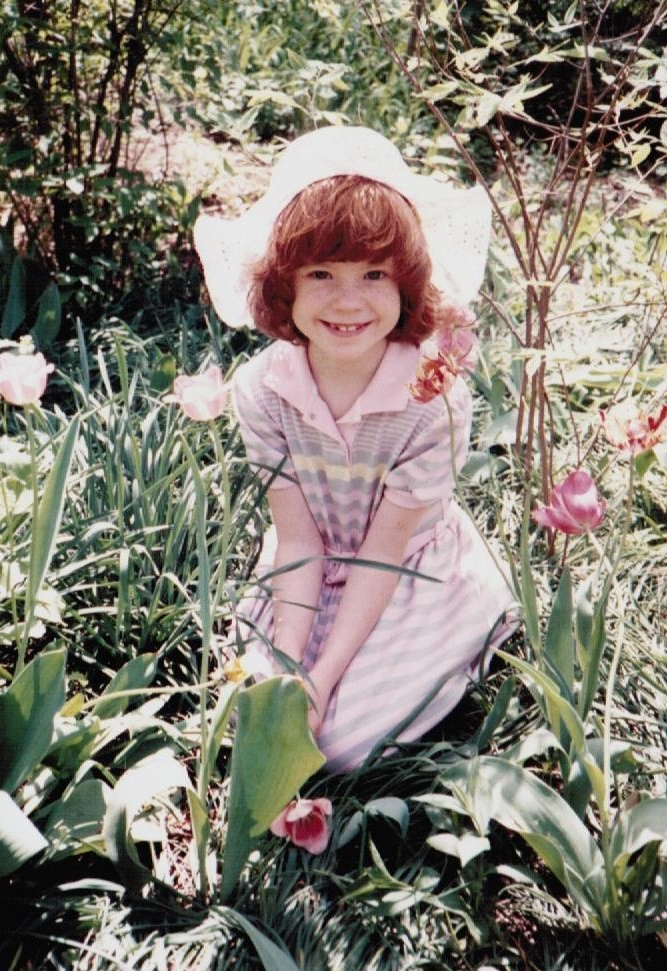
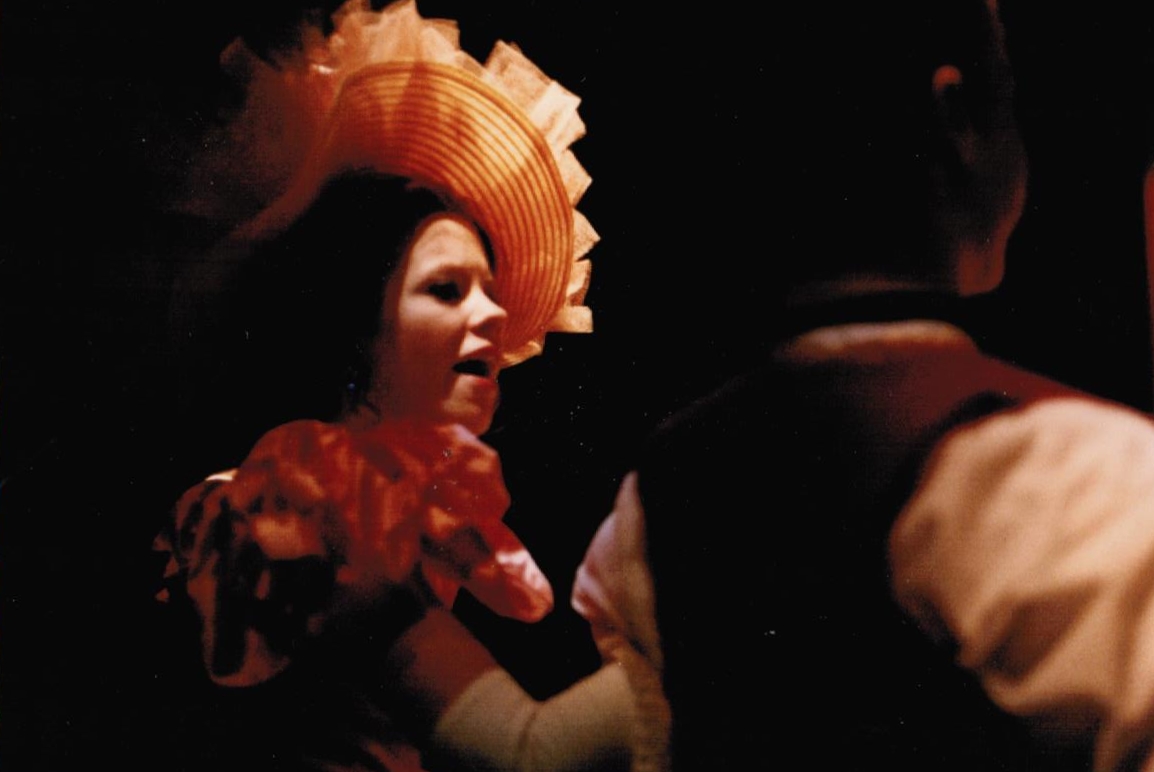
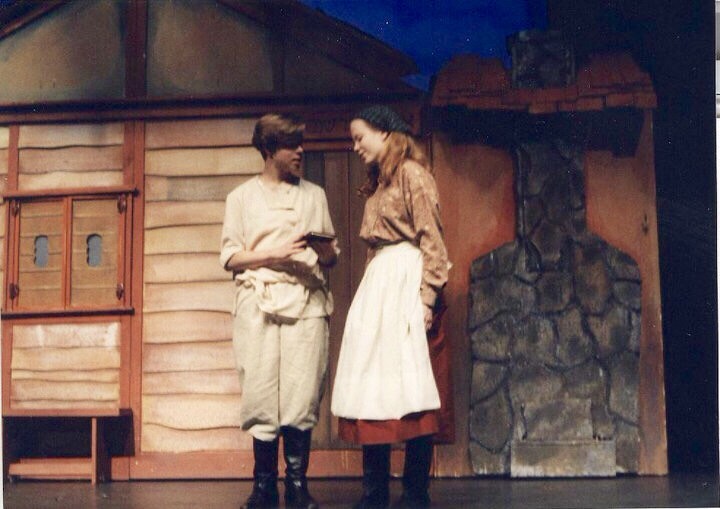
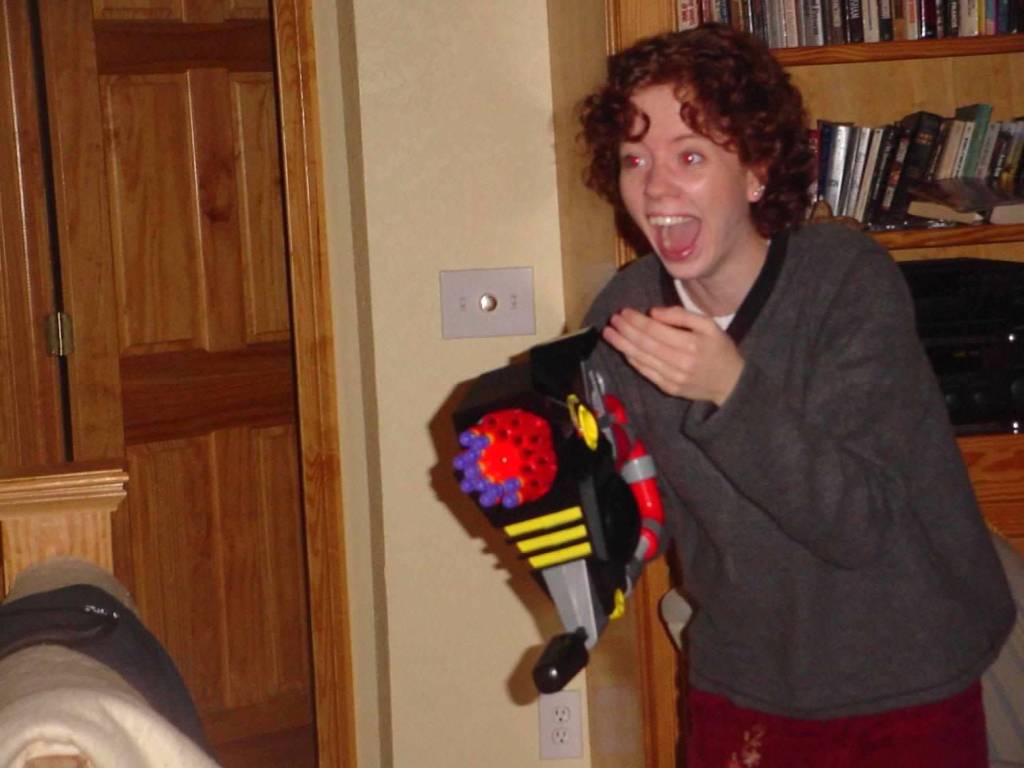
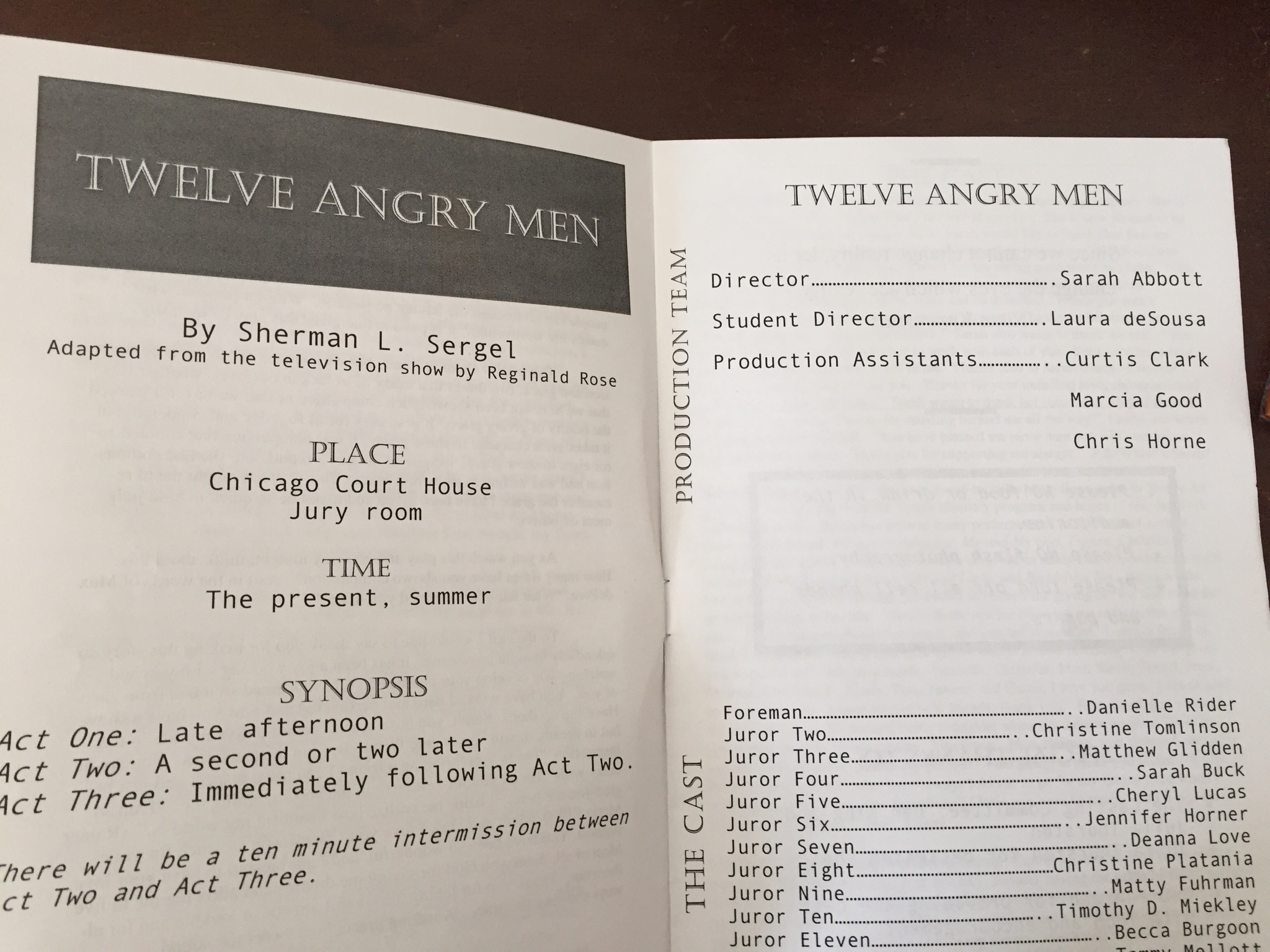


 because our stories matter