November 30, 1959. My family has just moved to Pueblo, Colorado. I am excited, probably anxious, as I walk into Mrs. Bent’s fourth grade classroom. My new teacher looks around the room, rearranges a student or two to make room for me, then offers me a desk midway up the row closest to the door. I take my seat and there in the desk in front of mine sits a redheaded girl, curls spilling down her back. A few weeks later, I surreptitiously copy her phone number from the little ID tag on the book bag beside her desk because I am smitten with this redheaded girl. I never got the nerve to call . . . because what does a nine year old boy say to a girl on the phone?
But it was the beginning.
Over the next ten years there would be other beginnings: debate team, a growing friendship, a realization that maybe we were more than just friends, dating, breaking up, falling in love, engagement and then on on September 5, 1969, still smitten, I married the redheaded girl. And I still remember that phone number.
Fifty years later, I am more than smitten, I am in awe. Through theatre programs, and storytelling classes and countless events, she has left an indelible mark on scores of young lives, and decades from now, when they recall the golden years of high school, “Mrs. Abbott” will remain a central character in their stories. “She was sort of like God,” one student said, “you really loved her, but you didn’t want to make her mad.”
With love and sacrifice – fierce sacrifices most will never see or know – she has played an integral part in planting three churches, touching hundreds upon hundreds of lives. It has been hard and costly; there are scars. And she’d do it all again.
With that same love and sacrifice, she cares for our family spread across three generations, four states and hundreds of miles, but closer than ever. She listens, for hours in any given week, to the minutiae and the momentous that make up our children’s and grandchildren’s lives. She celebrates them, sharing their joys and carrying their heartaches. She gives our children her time and attention and they take life from her.
And she has made me who I am. Her strength and passion for life have stretched and challenged me. Her words have dismantled my fears so many times they are all but gone. Her friendship has given me the grace to weather unnumbered storms. And the love through which she sees me (there’s a reason we say love is blind) has shaped me, shaped who I am and who I still strive to become. To say it is deep and unconditional is somehow not enough.
Fifty years later, I am still smitten with this redheaded girl.
Cedarbrook Community Church was birthed on March 12, 1989. We were thirty nine years old. Our years of campus ministry had taught us some things, but we still had a lot to learn about starting and growing a church in a community setting.
We started with 40 people (if you counted the kids) and met in movie theaters, community theaters, and high schools until we moved into our permanent home in 2001. This place we started and built and grew has seen a myriad of changes over the years and gone through countless revisions and iterations. What started as a “seeker targeted” church grew into a faith community that was more about worship and serving the needy and we learned from our more liturgical brothers and sisters the value of incorporating some of their practices into our worship. From the original 40 we grew to a community of hundreds and hundreds of people. Yet the parade of people who call Cedarbrook home never stands still – it is always moving, always changing. If I’m honest, sometimes that’s hard. So much coming and leaving.
Somebody once told me that loving a church is like hugging a parade. I think that pretty much sums it up. At any given moment, the church is simply a snapshot in time; the next frame could feature a largely different cast of characters with a new plot line.
But there are many who marched in the parade for a little or a long while who left their mark and hold a special place in our hearts and we are grateful for them all.
To name just a few:
There is Reuben who was a wiseman in our first children’s Christmas pageant. Maybe five years old, he came striding up the aisle with his crown and his fake beard, carrying his mother’s bath salts – his gift for the Christ child – as though it were indeed the most precious of all gifts. With his flair for storytelling and creativity, he grew up to be our Children’s Pastor and developed a Children’s Ministry that was, by far, one of the most inviting things about Cedarbrook.
There is Leonard Cave, a world renowned artist who asked if he could carve a cross for the front of the auditorium. “A cross should be disruptive,” he said. “But not too disruptive.” What a gift that sculpture is to our community, inviting us into worship week after week.
There is Iris, an amazingly gifted vocalist, who came to us in the early days and invited us into a true and authentic worship experience that taught us what to look for in others who would come later to fill that roll.
There is Chris Christensen and Gloria who grandparented the church and taught us all what it meant to be the hands and feet of Jesus.
There is Joe Loconte, who was the driving force behind an active and vital singles group in the early days of the church and who grew up to be a prolific author and apologist for the faith.
There is Joe Mehailescu who brought his sense of design and his eye for beauty to making Cedarbrook’s home an inviting and welcoming space – whether it was the Montgomery Playhouse strewn with garland on Christmas Eve or choosing the wall colors and bathroom tiles for the new building.
There is Anne Barker who mothered the staff and really the whole church in her role as the first church administrator.
There is the Drama team who in the early days provided live dramas to illustrate the message. Who brought us the infamous Cave Man sketch with its wardrobe malfunction and Vivian the homeless woman in “Stolen Jesus”.
There is Daren Hull, our first youth pastor, who thought he was Batman, who loved our teens well, and who brought fun and adventure to the staff.
There is the Woo-hoo Award, chosen each year by the Star Chamber and awarded to a staff member as a way to roast him or her at the annual Christmas party where we packed everybody into our living room and ate chili and cinnamon rolls.
There is Ken Jackson who walked through the doors on that first March morning and has become, as much as anyone else, the face of Cedarbrook. Call him an Associate Pastor, the Spiritual Formation Pastor, the Small Groups Guy, he wears all the hats. The wisdom, grace, and insight he brings to the church and the pastoral staff has been invaluable in all of the renditions of the parade.
There is Silent Night by candlelight where it was so dark you could’t see who was in the parade. But it was beautiful.
There is the Good Friday Service where we came to the Table to remember and to share the bread and the cup and to sit in silence on this holy night.
There is Chris Dorr who helped us create “Night in Bethlehem”, a living nativity where for years we created the village of Bethlehem with 70+ characters in costume who interacted with our guests as the beggar or the rabbi or the wood carver or the women drawing water from the well or Roman soldiers on horseback.There were sheep and goats and donkeys and llamas. And a manger down the hill which held Mary and Joseph and the baby.
There are the ones from that original 40 who still call Cedarbrook home and the ones who moved here shortly after to join the team: the Chins, Sarah Marusich and Bruce, the Ervins, the Pattons, the Smiths, Molly Mercado Jackson, Jan and Marna. The ones with the institutional memory of who we were and who we are becoming.
And there are our children. The ones who folded the bulletins, set up the chairs, tore down the chairs, the first ones to arrive to any given meeting and the last ones to leave, who set up the first computer network in the building, served in the nursery and on committees and bore witness to all the joys and sorrows along the way. I’d like to think that all those years and experiences had something to do with the remarkable people they grew up to be: sacrificial, caring, kind and servant hearted.
the crosswohoo awardGood Fridaythe ones who led the wayLiving NativityGrandpa Chris and Gloria
Church can be the source of our greatest wounding and our greatest joy. I would say over the the last 35 years, for us it has been both, and I know many others can say the same. Would I choose to do it over again? I think so. Perhaps, after all, it is not a choice we made but a call we answered. In the end, what we have wanted for the past five decades is to be Jesus People. That looks a little different now than it did in 1970, the church we started looks different today than it did in 1989. But then again, so do we.
Our story cannot be told without including that which, for better or worse, marked our family perhaps more than any other single factor. For over 50 years, our lives were immersed in ministry. To quote Hyman Roth from The Godfather, “This is the business we’ve chosen.”
In June of 1970, nine months after we were married, we threw in our lot with what would later become known as the Jesus Movement or the Jesus People. Not identified with any particular church or denomination, the movement attracted people like ourselves: young, idealistic, hungering for an authentic community and encounter with God and His people. How a conservative Baptist and a converted Methodist came to identify with these hippie Christians is a story which can can be found in “It was 1970” should you care to start at the beginning. http://atomic-temporary-85149277.wpcomstaging.com/2016/09/10/it-was-1970/
The early years of our ministry were spent on college campuses – primarily Kansas University in Lawrence, Kansas, and The University of Illinois in Champaign, Illinois. We rented houses (with big living rooms for meeting space) near campus in order to be accessible to students. Though you wouldn’t call what we did communal living, often we had single women living with us and others in the church lived in houses and apartments within walking distance. Many of our meals were eaten together as we tried to live out the example of the early church as we understood it from the book of Acts. “They committed themselves to the teaching of the apostles, the life together, the common meal, and the prayers. . . and all the believers lived in a wonderful harmony, holding everything in common. They sold whatever they owned and pooled their resources so that each person’s need was met.”
Potter’s Pond
These were the years of dumpster diving (our kids loved when their friends, who were actually college kids, would take them for a morning of cruising the alleys behind sororities and fraternities on move-out day to gather treasures that had been left behind), grinding wheat to make our bread, and Sunday afternoon church in South Park followed by a picnic and volleyball. They were the days of bundling up the kids and sledding down the Ohio Street hill on cafeteria trays, of having money show up in our mailbox on a day when we weren’t sure how the rent would get paid that month. Of God providing the perfect part time job as a bus driver at a workshop for mentally disabled adults which, besides putting food on the table for our family and others, opened up a world of rich and rewarding experiences for our family. Of finding a bright, shiny red tricycle on the front porch the morning of our daughter’s fourth birthday (an answer to her prayers) with a note that read: To Tabi – From Jesus. These were the years of sharing Jesus with a college student, baptizing her in Potter’s Pond and seeing her life change before your very eyes. Of Campus Easter Sunrise Services held sometimes in the snow and sometimes in the dark (that would be the year we miscalculated the time the sun would rise). Of street preaching on the quad in the middle of campus and presenting a logical reason for faith to students who stopped to listen and stayed to learn more and later grew to be followers of Jesus.
the U of I quad – where Paul earned his street preaching chops
this picture appeared in the KU yearbook – the street preachers who were a common site on the campus
These were the years of the miracles. On an August weekend in 1974, the two young children of a single woman in our little church in Lawrence were taken by their biological father to India in violation of the custody agreement. He used the children as leverage to get the mother to come to India and reconcile with him. She was advised that she would have no legal rights or recourse should she comply. For two years she withstood his demands while she and the little fellowship of believers prayed, asking God for a miracle. In the fall of that year, the calls began to come from Canada rather than India. They contacted the Royal Canadian Mounted Police who tried their best to locate and recover the children with the limited information available. They recorded the calls (with a device purchased from Radio Shack) and kept a log of each and every call and where it had originated (which would later come in handy). The calls were now coming from Switzerland, Wales, Scotland and then finally from London where it seemed the children and their father had settled. Don, one of the men in the church decided he would go to London to find the children and bring them back – even though he had no idea where to start looking. But his first stop was Scotland Yard who said they didn’t have the resources to search for a needle in a haystack, but they deputized him (what?”!) and he set off to find the children. Knowing the father was an avid reader, Don began visiting libraries and discovered that one had issued a library card to the man he sought. Calling in his back up, he and a member of Scotland Yard went to the address and 36 hours after being deputized, he was face to face with the children. Locating the children was the first miracle, getting them home was the second. Because the children were now residing in England, the English courts had jurisdiction and did not recognize the custody ruling of the Kanas courts. They would hold their own hearing. Two leaders of the church accompanied the mother to London to testify before the court. After two years and many prayers, the children were returned to their mother. Thanks be to God.
“Do not be afraid, for I am with you;I will bring your children from the eastand gather you from the west. I will say to the north, ‘Give them up!’and to the south, ‘Do not hold them back. ’Bring my sons from afarand my daughters from the ends of the earth—everyone who is called by my name,whom I created for my glory,whom I formed and made‘ “. Isaiah 43:5-7
I wonder now, where did the money come from for lawyers and solicitors, and airplane fares and hotel rooms? I have no idea. But these were the days of miracles.
The Ohio Street House
Yet there were challenges. One of the nicer houses we lived in was a house that had been purchased and renovated back to its original state. It was a grand, three story home with oak floors and beautiful wood trim throughout. A man purchased the house with a plan to fix it up and flip it. The problem was that it was smack dab in the middle of the student slum district and nobody wanted to buy such a nice house in that neighborhood. So he rented it out to us and some single guys and let us turn it into two apartments, putting a kitchen in upstairs. The house was marvelous, but with three littles, the neighbors were . . . questionable. The house next door was filled with probably 20 or so college students though the “student” part of that is questionable. Mostly they partied. Long and hard and well into the night. Doing lots of drugs, making lots of noise and creating no end of chaos and disruption. Five year old Sean, introduced himself to one of the tenants one day. “My name’s Sean. What’s your name.” Paco, he replied, trying to break through the haze of his drug-induced confusion. But Sean wasn’t familiar with the word Paco and so he dubbed him, “Taco” which then caught on with all of his buddies and you could hear them yelling through the house’s open widows – HEY TACO!! which always brought me a small sense of satisfaction.
Finally, I had had it. I wasn’t sleeping, the kids weren’t sleeping and it was non-stop partying. It was too much. Then came the raid. One night I awoke to helicopters overhead shining their bright lights into my bedroom window. I looked out the window to see people streaming out of the house next door, running and scurrying into the alley, into the street, anywhere to escape. I heard them yelling – MAN GET OUT NOW. THERE ARE PIGS EVERYWHERE!!” It was the final straw. I shook Paul awake yelling at him, ” Now they have PIGS living over there in that house.” To which Paul said, “I don’t think they’re referring to livestock. I think they mean the cops.” Gotcha.
But the hardest part, of course, was that “and all the believers lived in a wonderful harmony” part. I’m not sure what the Apostle Luke thought when he penned those words but perhaps it was more aspirational than actual. Maybe a goal to strive for. Living together is hard. But even in the hard, out of those days came friends who became family and I would not trade them for all the hard.
The church In Lawrence in the summer of 1979
The team that moved to Champaigne, Illinois, in 1979 to start a new church on the University of Illinois campus.
An article that ran in the local Lawrence paper, explained us this way: You have to love the last sentence 🙂
“Strange as it may seem, one of the newest groups to hit the K.U. campuses is a model of the oldest Christian church in history – that of the apostles and new converts recored in Acts 2. Composed of students, married couples, and traveling singer-evangelists, this group calls itself a church, but acts more like an overgrown family, with all its members deeply attached to one another and to God. . . They eat together, engage in mutual prayers and studies of Scripture, and each Sunday afternoon they hold an informal communion service which they call “breaking bread,” . . . [in] a living room arranged as a meeting place for meals and study sessions . . 20 to 60 young people gather several tims a day, dressed in the current uniform of the young – bell bottomed jeans and sweatshirts. Although obviously products of the Jet Age, these young people are distinguishable from their contemporaries by being clean, well-mannered and industrious.”
These were the early years of our ministry – when we were young and idealistic and believed that all things were possible. When what we wanted to be were Jesus People. We learned a lot, but we still had a lot to learn. Those lessons would come in the next chapter.
When our granddaughter Abi was about three, she was obsessed with deciphering the family tree – with figuring out how the people were all connected to one another and to her.
“So my mom is your daughter?” Right. “And Tabi is my mom’s sister and your daughter and my aunt?” Right. “And Sean is Jackson’s dad and my mom’s brother, and your son, and my uncle?” Right. “And Marge is Sean’s wife, and Jackson’s mom, and your . . . ?” My daughter-in-law.” So my dad is my grandma’s son, and my mom’s husband, and Uncle Joey’s brother and your outlaw?” Right!!
And that’s how the people who married into the tribe became known as the outlaws.
Here’s the thing about marrying into this family. We’re a lot. I mean like A LOT! A lot of people, a lot of noise, a lot of chaos, a lot of opinions, and at times, a lot of drama (I know – hard to believe.) We differ in our political views, our dietary preferences, and our temperaments. But we all like pie so we do have that going for us.
This family would not be who we are without our outlaws. They have brought a measure of crazy and fun and grace to us all. It should also be noted that they have added some height to the gene pool which, all things considered, is an important contribution.
💙 First came Marge. One of Faith’s high school friends, she was in and out of our home on a regular basis. She was smart and funny and even-tempered. “Why can’t Sean date somebody like Marge?” Paul wondered. “She’s the keeper! ” Marge became part of the family, volunteering to do pick up and drop offs for kids needing rides to places, even coming to the weekly meeting at Taco Bell with her calendar when we were coordinating the week’s schedules. When five year old Fletch had kidney surgery, Marge was there with a huge gift basket filled with all of his favorite toys and snacks. She took Joy driving after she got her learner’s permit when no one else was available (or willing). Wherever there was a need, there was Marge – and that hasn’t changed.
Sean had joined the Marine Corps and was serving a seven month deployment on a ship floating in the middle of the Mediterranean Ocean. On a Thanksgiving afternoon, as we sat around the table, the phone rang; it was a very homesick Marine. “We need to do better about writing,” Paul told the family after the call. So we probably made a schedule. “I can write, too,” Marge offered. And so she faithfully sent letters and care packages. It would not be the last time our family would receive a note or package when it was most needed and least expected. It is a pattern that continues to this day.
When Marge’s date fell through for the Senior Prom, Faith said, “I’ll call my brother.” who by now had returned to Camp Lejuene in North Carolina. “He’ll take you.” And so he did – properly attired in his Dress Blues. With a sword!! Never underestimate the power of a costume!
When Fletcher got lost at the beach and a sheriff put him in the back of his squad car and drove him through the neighborhoods looking for the house where his family was staying because Fletch didn’t know the address (but really who has that information?), it is Marge who stood at the edge of the driveway jumping up and down in her light-up shoes to flag down the car. She’s good in an emergency.
Married now for over 26 years, she has proven that Paul was right. “She’s a keeper.” She has mothered three truly remarkable young men all while earning a Bachelor’s Degree and then a Masters. She has mentored and loved and served countless young Marine wives while holding down the fort even as her husband was gone on countless deployments. She has started over after two floods and a hurricane. And I’d tell you what her job is now, but I don’t even really understand it except that it takes a high powered security clearance.
Today Marge runs 5K races, goes tent camping all by herself, and can make almost anything out of yarn. She is an all round Superwoman.
But first and foremost, she is about family, about friends and about making the world a better place . . . starting with us. She always shows up for the people she loves.
💙 Three year old Cai was looking forward to coming to Nana and Colonel’s one evening. As he was collecting his cars, his stuffies, and all the other important things that travel with him, he said, “And I’m so ‘cited that Tabi and Jason will be there!!” Actually, his mother told him, Tabi and Jason won’t be there tonight. It’s just Nana and Colonel. He burst into tears. Not angry tears, but gut wrenching sobs. Buddy, what’s wrong? Finally he choked out, “But Jason is my gwown up”. And that’s the way all the nieces and nephews feel about Jason.
But he’s not just their grown up; he’s their friend. Jason brings the fun. You can tell by the decibel level in the room when Jason has entered the arena. “JASON, LET’S PLAY HIDE AND SEEK! JASON, LET’S WRESTLE. JASON, LETS PLAY TAG! JASON, COME HERE! JASON! JASON! JASON! And he always answers the call.
“Jason, will you invite me to your birthday, party?” Cai wants to know. Because everybody knows that the level of a friendship is measured by whether you get invited to the birthday party. And so Jason plans a birthday party and invites the littles. He hosts it at Adventure Park and gives everybody tokens to play the arcade games. And it seals the deal: each one believes that he or she is Jason’s best friend.
When the flood hits North Carolina and Chance and his brother and Mom and Dad and neighbor are all living in the RV, Jason contacts Sean and Marge. Because Chance goes to school online, would he want to come and stay with them until the house is rebuilt? So Chance packs up his possessions not destroyed by the flood and he and his guinea pig Peni spend the fall semester of his senior year at Tabi and Jason’s. Chance and Jason share a love of video games and sushi and staying up late into the night, and so they spend hours discussing game strategy, eating, playing, and forgetting about all that has been lost in the flood.
When one of the nieces in Virginia has her heart set on a particular toy or dress or whatever, Jason seems to have a sixth sense and will figure out a way to make it happen. When they visit, it is Jason they want to take them shopping for clothes because he “picks out the best stuff” and they know he will never steer them wrong. It is Jason who sends the money for a manicure for homecoming. And the list goes on.
But this didn’t start with the littles. When Tabi and Jason were dating, Jason befriended a thirteen year old Fletcher who would soon be in need of a friend and a sibling after his older sister Joy departs for college, leaving him alone without his pack. Jason stepped in to fill that gap and I will be forever grateful. It is because of Jason that we have a pond in our back yard, lights on our deck, some beautiful photos from our 50th wedding anniversary, someone to call when Paul needs help with a project, and someone to bring the party.
💙 And then there is Josh. Josh fits into this family because he gives as good as he gets. His quick wit, sarcastic humor, and his uncanny ability to latch on to a phrase and turn it into a thing . . . “Oh, Joy? Why didn’t YOU get a waffle cone?” or “Do you know what Pokémon means in Japanese?” or “This week on Nana and the Colonel”. When he first came to the family, nephews couldn’t remember his name. “Just call me Uncle Awesome.” He actually got one of them to do it for awhile. He can recite more movie lines than anyone I know, and there is no one I would rather hear tell a story than Josh. He makes every gathering funnier and more fun and put him together with Jason, they are an unstoppable party waiting to happen.
Josh always had time for the kids. Even when everyone else was worn down and tired out, he took time. Not that he wasn’t also worn down and tired out, but it was rare for him to say no. He made the holidays more fun, more chaotic, and more awesome (which I guess is how he got the name.)
Coming from a family of three boys, marrying into this family of so many girls had to come as a bit of a shock. But maybe God was just preparing him for having three daughters of his own. And I have NEVER known a better girl dad than Josh NIehaus. When his girls were little he spent hours playing with My Little Ponies and Calico Critters. He knew the names of all the Disney Princesses and could carry on elaborate conversations about the plot lines of each and every one of their stories as well as recite pages of dialogue from most of the movies. As they got older, he was the loudest and most enthusiastic cheer dad bar none. He practiced cheers with Maddie, coached her up and cheered her on. He plays video games with Abi and Tacy and gives them pointers on how to beat the game – but only after he is sure they can’t beat HIM.
When Fletcher and Emily left Kanas and moved back to Lynchburg so Fletch could go to seminary, Josh and Joy opened their home (already crowded with their own family) to them and baby Ezra. Because behind all the jokes and teasing, he is generous and giving and tender hearted. You chose well, Joy!
💙 When you are the oldest of three and you marry the baby of a family of six you have to know, life is about to get interesting. When you grew up with brothers and now have four sisters, well that can be a blessing or a curse. But I would say that Emily has adapted in a most spectacular way.
When Fletch called from college and mentioned that he and a girl he had met in his English class had become friends, we took note. When the family was at the beach over Christmas and he went off on his own every evening to “make a phone call” our curiosity was definitely piqued. But when we got our phone bill later in the month and it was through the roof because back then we did not have an unlimited calling plan, we KNEW something was afoot. He took her to Joy’s house to watch a movie as sort of a trial run – introduce her to the family in small doses was his thought, I suppose. What he had not counted on was Josh being Josh. Josh, who spent the entire evening trying to get one year old Abi to call her “Auntie Em”. And yet, before long they were a couple and she was thrown into the chaos of “the Abbotts”.
On our next visit to Lynchburg we went to dinner and met her for the first time. As we were leaving, I mentioned to Fletcher that we were planning a dinner cruise for our 40th anniversary and the family would be all be there so he should mark it on his calendar. Later, Emily said to him, “The dinner cruise on the boat sounds like fun.” Boat. What boat? “The one your family is doing for your parents’ anniversary.” On a boat??? (You will understand why we still rely on Emily to remember the details of things.) I told Fletch he could invite her to come. I doubted she would because, well, we are a lot. But she did come and we all thought – this one is the one.
Emily is a teacher. She majored in Elementary and Special Education, but it’s just in her blood (which is what makes her a great homeschooling mom). She will turn any situation into a teachable moment. Like the time she was visiting Joy and Josh after they had moved into their new house (the one where she had spent hours scraping off wallpaper and painting the wall. And when Josh and Joy were short of help on moving day, Emily’s parents showed up to help – because they are awesome like that). But on this crisp autumn day, they started the first fire of the season in the wood burning stove which had gone unused for who knows how long. Before long the chimney was on fire, the room filled with smoke and the smoke alarm began to shriek. Emily grabbed the toddlers and removed them from the room. “Abi, do you know what that sound means?” she asked three year old Abi, ready to offer up a lesson on fire drills and safety. “Dinner’s ready?” Abi suggested.
I appreciate that Emily always makes time in the schedule for birthday and holiday celebrations with us as well as just showing up in the ordinary times. Because what I know is that these days and these times will not last forever.
💙 And then there is Todd – one of the outlaws for a relatively short time but long enough to leave some stories that are still told even by those who never knew him. When there were fewer of us and very few littles to entertain us, often the evening’s activity when we were all together was a board game. Todd shared that, when they played games with his parents, sometimes his dad would take an extraordinarily long time to ponder his next move. Todd’s mother often said to him an exasperated tone, “Okay Phil! We could all win if we took as long as you do!!” To this day, when we are playing a game and a player is taking too long, one of the littles who was born long after Todd left the family will say, “Okaaay Phil . . .” and we all know what it means. The other story Todd contributed to the family lore was this: One year at the beach we were preparing breakfast when we realized we were missing an ingredient. We sent Todd off to the store. He stopped at the Wee Winks Market and as he was leaving, his car was hit by someone exiting the parking lot. The driver of the car happened to be a member of the Twiddy family who owned Twiddy Realty and managed the majority of the rental property on the Outer Banks. They exchanged information and when Todd returned home we chastised him for taking so long. “Well, if you must know, I was hit by a twiddy in the wee winks.” I can’t explain why but there is something about that line that sounds like it should be rated PG and even now I can’t type those words without laughing out loud.
💙 And Rachelle, whom we are still getting to know. She and Faith have been married for five years and I do know they are a perfect fit for one another. She is a grief/loss therapist which in and of itself tells you what kind of a person she is. What I also know about Rachelle is that she loves my daughter and their kids with a fierce and a loyal love and I always and forever will love anybody who loves my people.
The outlaws have brought their stories, their customs, and their traditions to us and embraced this family with arms open wide. We would not be who we are without them, and they make us better by being one of us. We are blessed.
Melanie – the first of the next generation of “outlaws”
Of course, there will be more outlaws to come in the next generation, more stories to tell and more family to love. Bring ’em on!
Our family story would not be complete without this chapter. These two “littles” have brought to us what was missing. Thank you to their mother for expanding and enriching our world and also for sharing these words.
For all my life, there have been parts of my story I know, not because I remember them, but because those who came before me held the memories and passed them on to me. I know about the Kansas heat the summer I was born and the doctor singing the Sara Lee jingle when he learned my name. I know about the road trip to Colorado in my first weeks of life and the portable baby bed crafted out of a cardboard box.
It’s different with my children. When we first met in 2016, they already had lives and experiences which I cannot speak to. I do not hold their earliest memories, and these stories are not mine to share. The first time I met my son was in a conference room full of caseworkers where he anxiously paced the perimeter of the room, looking out the windows and listening to music on his toy. He was a bundle of movement, pacing the floors, drumming every surface and making music everywhere he went. I brought him home four days later.
He was so tiny that at seven years old, he could still easily fit in my lap or ride on my back while I completed chores and made dinner. The day I brought my son home, I spoke to my daughter for the first time. I called her to introduce myself and give her an update on her brother, and from our very first conversation I was struck by her incredible tenderness towards her siblings and her willingness to show me, a complete stranger, an abundance of grace. Our relationships happened individually and over time. I got to know my son over hours of pushing him on the swings at the park, taking walks, building forts, and carrying him in my arms and on my back. My daughter and I connected over weekend visits and family outings until she was no longer visiting, she was just home. Over a summer of jigsaw puzzles, camping trips, family dinners and evening tea we became a family of three.
Over the past seven years we have created our own shared family history, inside jokes, rituals and traditions. We often reminisce together: remember the Christmas we tried to go to the light show that had been sold out for weeks or the time we nearly burned down the porch with the ladybug firecracker? Remember when we went to the drive-in movie and Kiko took a bite out of the car’s steering wheel? There is the week we spent at the beach, seeing the ocean for the first time and the months of Covid spent baking and having movie marathons. There are years of collected memories now, many good, some hard, just like every family.
My kids are their own remarkable people filled with unique traits for which I can take no credit: My son’s silky, soft hair, long eyelashes and intricate drumming rhythms. My daughter’s beautiful skin, artistic talent and love of animals. None of this comes from me. Yet, over time, we have shared pieces of ourselves with each other. My daughter has inherited my mom’s pie baking skills. My son shares my dad’s love for nature and road trips.
My son is teaching me to appreciate hip hop music and be present in the here and now. My daughter is teaching me to be more emotionally honest and to approach life with curiosity. I know I don’t get to choose which traits of mine my kids will adopt. My hope is that my influence in their life doesn’t ever change who they are but encourages them to fully be themselves. My hope is that whatever else they take from me, first and foremost, they know they are loved unconditionally
Although I am not genetically related to my kids and the three of us are very unique individuals, we also share a lot of similarities. We share a love for soft blankets, cozy spaces and warm lighting. We share an appreciation for honest conversations and being together in silence. We share an understanding that there is value in our differences and communication is more than words. Over the years we have developed our own shorthand of whistles, clicks and quacks that communicate nothing specific but everything important. It means we listen to one another, both what is spoken and unspoken. It means we see one another both our uniqueness and similarities. It means we speak each other’s language. And when one of us calls, the others will answer.
We both had red hair – a dark auburn really. Much like our mother’s, I think. She had brown eyes; I had blue. We grew up in the same family; sort of. She lived out her childhood in a family with both a mother and a father in the home, surrounded by four siblings only a few years older than she. From the age of four, after my father’s death, I grew up in a home with a single mom and her: a sister seventeen years older than me. She was born in the middle of the Great Depression and I was born at the beginning of what some called the Golden Age – the 1950’s. We shared a home, a family background, and genetics but though I know ABOUT her, I really didn’t know HER. And that’s on me.
This was the five of them.
And then there were the two of us.
Her name was Lola Irene. I have no idea why she was given that name – maybe because my mother liked the sound of it. I do know that it wasn’t until years later that my mother realized she had done the very thing she disparaged my grandmother for. My dad’s name was Ray. He had a brother named Roy. My mother told me, “I wondered why anybody would be so stupid as to give two boys in the same family such similar names. It led to no end of confusion – for everybody!” Then one day – when it was too late to do anything about it – she realized she had done the same thing with two of her daughters: Lila and Lola. I think after that she always cut my grandmother some slack.
When Lola was five days old she contracted whooping cough. She ran a high fever for days and though my parents prayed fervently, they did not expect their baby to survive. They would not have been the first family they knew to lose an infant to one of the many diseases that every parent of that generation feared. But at last the fever broke; their baby had survived. It would not be until later that they would understand the aftermath: the high fever plus the whooping cough had caused brain damage resulting in permanent physical, intellectual, and developmental disabilities.
As a child, my sister often experienced petit mal seizures, though neither the doctors nor my parents understood what these were. They grew used to her “spells” as they called them: periods of time where she stared into space unseeing and unaware of her surroundings. Nobody thought much of it; maybe she’s daydreaming, they said. It wasn’t until she was 20 that she had her first grand mal seizure and was diagnosed with epilepsy. Though medication (which could have terrible side-effects) kept them somewhat under control for periods of time, these seizures would worsen and continue for the rest of her life and became debilitating and dangerous.
Our older sister Lila had moved from Nebraska to Denver a year out of high school to attend nursing school. There she met her husband and they settled in a town south of Denver – Pueblo, Colorado. I think it was in the fall of 1953, Lila brought her children home to the farm for a visit. Lola was sick and getting sicker every day with fever and terrible muscle aches. Lila insisted they take her to a hospital about an hour away. It was there they diagnosed her with polio and she had her first grand mal seizure which led to the diagnosis of epilepsy. It was a scary time for all of them, but once again Lola pulled through and though the polio left her limbs weaker, she suffered no paralysis. Because we are all shaped by our stories, I think this is the reason that I am a believer in vaccines. My sister Minnie’s husband also contracted polio as a teenager and as a result wore a brace and walked with a cane the rest of his life. Neither the whooping cough nor the polio vaccine were available to them; I’m glad they were for my children.
My sister Lila was home for a visit. My brother was home from Korea and the family wanted a picture. The next day, Lola ( top row far left) would be taken to the hospital and diagnosed with Polio.
I don’t know when I learned all of these details. Somewhere along the way, I’m sure my mother shared them with me to help me understand why Lola needed extra care and why she couldn’t do all the things other grown ups could. Why she couldn’t live by herself or drive a car or get a job. Why things that seemed easy and effortless to me were harder for her. Back then we used the word handicapped. Today we would say disabled, a term I have only recently learned the disabled community prefers to special needs. It’s interesting to me that so often terms that start out as a straightforward definition become loaded and stigmatized until they are avoided altogether and replaced with something new until later reclaimed by the community.
In 1954, after my father’s death, my mother moved with Lola and me to Pueblo where she could find work to support us while being near Lila. After the first year or so we bought a two bedroom house near the hospital where Mom had procured a job as a cook. My mother and Lola shared one bedroom and I had the other to myself. It never once occurred to me why this was the arrangement, and I never thought to ask. But now I wonder – how did that feel to a 22 year old woman to be sharing a room with her mother? But I never remember her complaining – though I’m sure if the tables had been turned, I would have raised all kinds of hell.
This picture had to be taken shortly after we moved to Pueblo. We all have that dear-in-the-headlights look.
I remember there was a period of time when my sister had an unofficial job. She was a companion for a lady in a wheelchair and she would go to her house and fix her lunch and hang out with her so the woman, whose name was Esther, didn’t have to be alone all day. And sometimes from time to time I would go with her and we would put together puzzles and Esther let me use her typewriter and I felt so grown up. Did I ever tell my sister that? Did I ever tell her I appreciated that she let me do that? I don’t think I did.
Later she worked at the Goodwill. She seemed happy there. Maybe she felt like it was a real job and she was doing real work. She got a paycheck and money of her own and she made friends. I don’t know how long she worked there or why it ended. My guess is that the seizures made it difficult and my mother was anxious about it. I never asked her and we never talked about it.
The truth is, I don’t really remember talking to her much at all. As I got a little older I think I felt like we didn’t have much in common. I had my friends and my life and her life was so . . . different than mine. I couldn’t relate to her and I didn’t try and that’s on me.
I have very little memory of what anyone got me for a wedding present except this: Lola gave me a little Correlle teapot. She knew I liked tea. I have no idea how she knew that except she clearly paid more attention to me than I did to her. When I got married and moved out, I know that was a hard time for her – not because she missed ME really, but I think she felt like she wanted her own place and she wanted her own life, too, And she didn’t want to live with her mother forever. My mom knew her daughter could never live on her own and she would not put her in a “home” as she had seen others do with their “handicapped” children. But Lola persisted.
I don’t know it for a fact but I am guessing that it was Lila who persuaded my mother that Lola needed something different and that she deserved to live as independently as she possibly could. I’m sure there were also hard conversations where Lila made my mother come to grips with the fact that Mom would not always be around to take care of her daughter. . . and then what? So Lila started looking and they found a place in Colorado Springs – only 30 minutes away from Pueblo – where Lola could live in a little apartment but there were people there to look in and help when needed. And if the time ever came – which it did – that she needed more care, she could move into another wing where more supervision and care would be provided. It was the right call and even I knew she was happy in this place, surrounded by friends and activities she could be a part of. Lila and her family often visited, and she lived out her days in this way to the age of 60 – well loved and well cared for.
Out of all my siblings, Lola is the only one I ever shared a home with. I should have known her better than any of the others. But I didn’t. I simply didn’t take the time or make the effort to learn about her and her life. And I am the poorer for it. My mother used to say to me, “I don’t understand how she stays so happy and so positive with everything she’s had to deal with in her in life, but she does.” I wish I had asked her about her life and her stories and her memories. I wish I had made the effort to see the world through her lens. I wish I had included her more. I wish I had taken her for a ride in my new car when I came home with my driver’s license. I wish I had asked her to be part of my wedding. I wish after I moved out of state, I had sent her pictures of my babies and called her on her birthday. I wish I had been a better sister and a better human.
Because what I know now as a grandmother of some awesome kids with disabilities is that I am the poorer for not having shared more of life with my disabled sister. She had so much to teach me. And I had so much to learn.
My beautiful, auburn haired, brown eyed sister would be 90 years old today. Happy Birthday, Sister!
my mother, my siblings, and me – one of the few photos of all of us
After I moved to Maryland, my mother and Lila brought Lola to visit. She got to fly on an airplane and visit the capital – an adventure she throughly enjoyed!
Ministry has always been a part of our story. A big part. For the last 33 years it has been the ministry of Cedarbrook. As this chapter comes to a close, there are two stories that should be told.
We met Johnnie Benton the day we walked into a Classical Rhetoric class at Southern Colorado State College in 1969. We were both speech majors and this was a required course.
Dr. Benton was sarcastic, cynical, outspoken and disapproving of most things – particularly anything religious. He mocked, challenged, scoffed at and belittled anything having to do with faith. He was a self-proclaimed apostate and had renounced not just the fundamentalism of his youth but all things associated with the church, declaring that all preachers were hypocrites, charlatans, or just too stupid to realize that what they were preaching could not possibly be true. But in his eyes, their most egregious sin was that he found them to be terrible communicators. So you can imagine his disgust and his dismay when he discovered that one of his favorite students iin the speech department was planning on going into ministry.
“You’re too smart for this,” he told Paul. “You’re an analytical thinker with a good mind and the ability to see both sides of an argument. What the hell are you thinking?”
But the student could not be dissuaded. So finally Dr. Benton said, “Okay, then. If you’re going to do this, then you’re going to be good at it.” And he set out to make this student not just a passable public speaker, but a really good one. And while the professor would not have been anybody’s choice to mentor a future pastor when it came to theology or building strong character, I would argue that there was no one better to mentor him in writing and delivering a sermon. He gave him the toughest of assignments and graded him mercilessly. When he detected even a hint of BS or trump-ta-tra, he called it out. His first response in critiquing a speech was to ask with a smirk, “”So what?” Meaning – why should I, the listener, care about what you just said? How does this relate to me? He taught that it is the listener, not the speaker, who is the most important person in communication and it’s the job of the speaker to find and make the connection. I sometimes think of Johnnie Benton when people say to Paul on any given Sunday morning, “I felt like you were talking just to me.” And I know of course, that it’s the work of the Holy Spirit, but I also think maybe that mean ole’ cuss of a professor played a part in it as well.
And then there was Mr. Chmel, the high school drama director. I did theatre in high school – it was one of my things. I even started out as a theatre major in college. I liked being somebody else – creating a character that was nothing like me and living inside that person for a while and bringing her to life. Paul did NOT do theatre. For a good reason. He could not act. Not even a little. But in our senior year, Mr. Chmel was short of males for the play he had selected and he asked Paul to take a role. Paul told him, ” I can’t act.” But you’d only have like three lines.” Nope. He was not interested. So Mr. Chmel told me to ask him. “If you ask him, he’ll do it.” I don’t think so, I said. He can’t act. But I asked. “It could be fun to be in one play together before we graduate – we could go to rehearsals together and the cast party. It’ll be fun. ” He grudgingly agreed. Poor Mr. Chmel. He probably spent more time with Paul working on those few lines than he did with the rest of the cast put together. At the cast party he said to me, “You were right. He can’t act.”
I say all that to say this: with Paul, what you saw is what you got. It wasn’t a show. It wasn’t an act. He wasn’t playing the role. He never pretended to be someone he’s not to build a bigger church. He doesn’t even know how to do that – it just isn’t in him. He is the same person at home that he was when he stood before the church. He treats the servers at McDonalds the same way he treated you when you talked to him in the lobby after the service. In this day of “The Celebrity Pastor” and all the heartache and grief and shame that has brought to the Church, Paul was simply who he was. You may not like who he was and you may have wanted a pastor who was more extroverted, more charismatic, or just more. But he didn’t know how to play that role. God knows he isn’t perfect and there are a myriad of things he would do differently if he could go back. But he wasn’t acting – he brought his true and authentic self – for better or worse.
Paul, thank you for bringing me with you on this adventure of a lifetime. For all of our starts and stops, all the things that we got wrong and those times we succeeded in spite of ourselves and only by the grace of God, we have been partners through it all. I am forever grateful. And for the record, I think over the years you have preached a handful of sermons that would have made Johnnie Benton proud.
“There is a difference between curing and healing, and I believe the church is called to the slow and difficult work of healing. We are called to enter into one another’s pain, anoint it as holy, and stick around no matter the outcome.” Rachel Held Evans
Note: Doby was a part of our family’s story – but only tangentially. He is really a part of the story of The Three Musketeers: Doby, Blu, and Abbott. And so, when we lost him, it could only be Sean to tell this part of the story who is the last of the three Musketeers
There are many definitions of swoop. Merriam Webster dictionary defines it as: swoop – verb \ˈswüp\: to fly down through the air suddenly: to arrive at a place suddenly and unexpectedly
As a young Marine “swoop” was what you did on the weekend. It was the act of leaving base to ANY other destination – “to arrive at a place suddenly.”
“Let’s swoop.”
“We are swooping to my folks house this weekend”
“My swoop partner couldn’t come, so I’m going to hit swoop circle on my way out of town and find somebody else looking to go to Florida this weekend.”
Me? I had a handful of swoop partners over the years. Especially as some of the “regulars” got married, moved their wives to Jacksonville, and they stopped swooping. But the two “regulars”? That was Doby and Blu. Stephen Doby and Blu Berner. I never really called Stephen by his first name. He was always Doby. Likewise, I never called Blu Berner by his last name. He was always Blu. Me? I was always Abbott.
The Three Musketeers
On November 24th, 2013, Doby and I got the word. Blu Berner had passed. It wasn’t debated. It wasn’t discussed. It was just understood. We were going to make one last “swoop” in honor of our brother. And we did. We went to fold the flag, to stand with his wife and children, to say goodbye. We truly thought it was the final “swoop”.
And then there were two
And then Doby had an idea. We should do one more, one last swoop. We would drive up to my folks house. Just him and me. Re-live the old journeys, the old visits. The old adventures. One last trip, just Doby and me.
And then COVID hit. Our last swoop was put on hold, but we didn’t forget it. When we talked on the phone, we continued to plan this “final swoop”.
On July 29th I got the unexpected word. The final swoop was on. This was unplanned, but there was no way I was going to miss this last ride home.
Of course I’d need to make sure that my attire was correct. If this was the final swoop, everything had to be perfect. Clothes were purchased. Alterations were made, and then I was off to meet my friend for our last adventure. It took a few days to meet up with him. There was a brief stop in Texas to meet with his family and old friends. To reminisce and catch up, and then I was off to Kansas City to meet up with my old friend.
The morning of the final swoop, I was awake before my alarm went off. Nerves I guess. I woke up, showered, and then prepared my attire for the day. Every button was buttoned, every shiny tidbit polished the way Doby would have insisted. He was a dick about that after all. Every little detail had to be perfect, and if this was the last swoop, I wasn’t about to disappoint. Everything set to perfection, I set off to meet my friend.
He beat me to the airport of course. No surprise. Doby was always a member of the “15 minutes early is late” club (a debate he and I had many times). When I arrived at the airport I wasn’t able to initially see him. I was there to watch him board the plane and say hello. After he boarded, I was escorted to the plane, and then we were off on the last swoop.
A little different from what we had agreed on of course, and this was a little different than all of our other swoops…. but time and age change things. Leave it to Doby to make our last adventure together a true adventure.
When we landed in Atlanta to change flights, I beat him off the plane. While the passengers on the plane applauded my service, it all felt in vain. It would have been so much better if Doby was leading the way. I met him at the bottom of the plane. He was the second to disembark. I guess beauty and age do come first. There were brothers there to greet him. Brothers who had served and were there to make sure he also had the recognition he so deserved.
We spent the entire layover together. No more than an arm’s reach away. I regaled all who would listen with the Doby stories I had.
And then our time was up. The crew escorted us to the plane. Doby was the first to board, but again, we would not be sitting together. After he was aboard, I stepped up on the plane. This was the last leg of our final swoop to his home.
When we landed, I was invited off the plane first and received fervent applause, but somehow it rang so shallow in my ears. The pilot and co-pilot stopped me and asked if they too could greet Doby as he got off the plane.
We stood there at the bottom of the plane. The honor guard was called to attention, and I dutifully snapped to my position. The pilot and co-pilot mirroring my moves. As Doby came off the plane I rendered what I knew would be my final salute to all of our swoops and to all of the adventures of young men. Eight young men, pall bearers, and strangers to Doby and me, slowly came to attention and then carefully, and with the utmost grace, escorted Master Sergeant Stephen Doby into the hearse for his final ride home.
I wish I could remember all the details of that ride. I was worn out and tired in ways I am still learning to come to grips with. I will tell you this. It was monumental and epic. It was the ride of heroes, and without a doubt Doby deserved every moment of it.
It was, and will be, my final swoop. I may still travel, but unlike my past, the journey will now be a means to the destination, and no longer the adventure itself. I am no longer a young man, and all of my swoop partners are gone. I am too old and too tired to take the adventures that young men take. If there was to be a “final swoop” I am honored that his family allowed me to take my best, and my last, friend home.
We were always the the Three Musketeers. Doby, Blu and me – long before we. . .and I. . .truly knew what that meant. Today . . . well . . . today I feel old. For the first time in my life, I truly feel old and broken. Countless times in the last few days and weeks I find myself looking to reach out to my friend . . . my comrade in arms . . . my brother . . . and he was every bit my brother . . . but there is nobody there.
And so, as the Last of the Three Musketeers, I find it fitting that I end this story with a quote from another story.
“I have lost my friends,” ‘Artagnan said ruefully, burying his head in his hands. “I have nothing left but the bitterest of recollections . . .”
Two large tears rolled down his cheeks.
Athos answered. “Your bitter memories still have time to turn into sweet ones.”
And so my friend, I will work on turning the bitterest of memories into sweet ones. I will make sure that everyone knows your story. I love you. And I miss you.
I graduated from college in the spring of 1972 with a degree in Speech Communication and a teaching certificate that qualified me to teach grades 9-12. I chose this route largely because of the impact my high school speech teacher and coach, Mr. Ham, had on me.
I also graduated college with a four month old son on my hip.
So because I wanted to be at home with him, my teaching was limited to substituting in the high schools around town now and then. In 1979, now with three littles in our home, we decided to try out homeschooling – an educational option not widely recognized or accepted at that time. And so, from then until my youngest graduated in 2006, I was a full time teacher – teaching everything from pre-k to high school algebra – admittedly I was better at some subjects than others.
But then in the fall of 1991, I was asked to teach a Speech Class for some homeschooling kids ages 12 and up. The only thing I really remember about it is that it was in somebody’s family room in their basement and we did a Reader’s Theatre unit. I think there might have been four kids in the class – when they all came. Maybe somebody else taught a Biology Class and someone else a Spanish Class, but no two at the same time because we were using the same room. We met on Thursday afternoons. And that was the beginning.
But what began as a fledgling little experiment grew and we needed more space. So we found a church willing to rent to us, other gifted and committed teachers joined the staff – teaching everything from Watercolor to Chemistry to Yearbook to Physics – and at its peak we were offering dozens of courses (both Academic and Elective) and hundreds of kids traipsed through First Alliance Church every Thursday. It became a place of learning, of character building, of community. And I began to anchor my week for nine months of the year around Thursday. Because “Thursday Classes”.
Over the years my course load rotated and shifted: I taught junior high and senior high Speech, two different Improv Classes, Drama, Composition, Storytelling, Jr. High Language Arts. I remember the days of Dessert Theatre and Improv Hour in the gym at First Alliance which eventually gave way to Occassion For the Arts in the auditorium with the Improv, Storytelling and Choir all performing. The red ink of Composition Class which I understand still causes nightmares for some who have gone on to write their Masters Thesis. The nervous and jittery attempts at the first speech of the year which grew into confident and convincing persuasive speeches by the end of the year. The “Mr. Tumnus Tea” – always the highlight for the 7th and 8th graders who read The, Lion, the Witch and the Wardrobe with me in Language Arts. And the awkwardness of the first day of Improv which gave way to hilarity and true entertainment as the year progressed.
And then of course there was the MainStage Play. For twenty years we met for two hours on Thursday mornings and then hundreds of hours after classes ended in April. Tech week at Smith Theatre at Howard Community College and Olney Theatre, and then finally some pretty spectacular performances starring some very talented and committed students. It was magical. Watching a high school boy transform into an old man so convincing that even I forgot he was acting. Or a sighted girl covered with bruises from her head to her toes as she thrashed about the set – falling, and getting up and falling again – as she so believably told the story of a blind and deaf girl named Helen Keller and her teacher Annie Sullivan. The con man who was so convincing that the five year old boy in the cast really believed he could play the trumpet in a boys’ band. Working through the emotions and backgrounds of twelve jurors confronting their own prejudice and biases. The grueling hours we spent exploring these characters together and bringing them to life. It’s where my mind went during the week when I wasn’t in class: what if we tried this? what if she said that line more like this? what if we changed the blocking in that scene? what can I do to make that character more three dimensional? – and sometimes all the what ifs kept me awake late into the night. But in the end it was always the kids who made it work – they always found the way. And on opening night I sat in the audience and wept (even if it was a comedy) for the sheer beauty of it all.
What I loved most about Thursday Classes though was the community. Sometimes I would duck into the Study Hall between classes ostensibly to grab a Diet Coke from the snack bar or give a quick hug to Bonnie the Study Hall monitor who became my confidant and my friend, but really I loved listening to the hum of it: the chatter from the senior table where they laughed easily at the inside jokes and counted down the days until they were done. I loved watching the group playing chess at another table, quietly studying the board and anticipating their next move; the groups of two or three huddled on the floor, notebooks opened, cramming for their biology exam later in the day, I loved it all. I loved watching students walking down the hall, arms around each other, making plans for the weekend not realizing that their older selves would look back on these days as some of the best of their lives. I loved watching them execute their “senior prank” even when I was the brunt of it – which was often. I loved seeing a group huddled around one of their own, hands on his shoulders as they prayed over him for a sick parent or some other sorrow. And it will be this, more than anything else, that I will miss.
Because today it ends.
I have known for four years that this week would be the last day for CBA Thursday Classes. We made that call early so that we could work towards ending the Academy well. So I had time to think about what we might do on the last day. Maybe we would decorate the building with pictures of years past, maybe we would hang banners outside, maybe we would bring in donuts, maybe we would cancel classes and have a big party, maybe we would bring in alumni to share in the day and to say good-bye. Never in my mind’s eye did I imagine that it would end in a Zoom Room with each one isolated in their own little box on their computer screen with no hugs, no real contact, and nobody in the room with me to share this landmark. Who could have imagined this ending? But Covid.
To any VBA/CBA students who might one day read this, I want you to know that you are a part of the some of the best days of my life (okay – maybe some of the “not so best” days as well but we’ll save that for another day ). Thank you for being a part of the experiment that was Thursday Classes and for making them work. Thank you for your patience and your good will when I was trying to figure it out and especially for the times I got it wrong. Thank you for your generosity of spirit when I didn’t get what you were trying to say – or you felt not seen. Perhaps the most well quoted line about my tenure at CBA came from a student in her Yearbook Senior Quote – “Mrs. Abbott is sort of like God.You really love her. But you don’t want to make her mad.” JM
I remember one day years ago when I said in perhaps a too loud voice to the students who were milling about in the gym. “I don’t know where you people are supposed to be but it isn’t here. You should either be in class or in study hall. So leave!” As they were scurrying off I heard one of my daughter’s friends say to her, “I’m sure glad she’s not my mother.” My daughter replied not so much to defend me but more in a yeah, she’s weird way, “Yeah, she’s not really like that so much at home.” So yes, I know there were days, but I would not trade one of them.
There were other things that made CBA what it was, but Thursday Classes helped to make it a thing. There are many who think, and I count myself among them, that those hours between 9:00 a.m. – 5:00 p.m. on any given Thursday were the best hours of the week.
But on this last day of CBA Thursday Classes here’s what I want to say: thank you to the students who stuck it out to the end – even on Zoom!! You amaze me!
Thank you to the ones who came before who taught me how to be a better teacher and a better human being and have provided enough memories and stories to last me a lifetime. Thank you to all the other teachers and the staff who helped to build this amazing community. Thank you to the parents who supported and encouraged us over the years. Thank you to my own kids who got drug along every Thursday before they were even old enough to be in classes and thanks be to God for an incredible 30 years.
And that’s what I thought. That the friends I was investing in along the way – the people I shared my life with, raised my kids with, started churches with, ate all the meals with, shared my highs and my lows with, grieved with, celebrated with and shared the foxhole with – that we would be friends for even longer than forever.
But what I learned somewhere along the way is that not all friendships are meant to be Pooh and Piglet.
I’m not sure where I first encountered it, but at some point I was introduced to this idea: there are friends for a reason, friends for a season and friends for a lifetime. And what I now know that I did not always know is that you don’t know who your life-time friends are until you get to the end of your life and see, not who comes to your funeral, but who sits the death-watch with your family. But there’s the thing, hopefully there will be many, many of your friends for a reason and friends for a season who come to the funeral to tell that part of your story and celebrate your life. They all count.
Friends for a reason. Friends for a season. Friends for a lifetime. Though those words may not shake your world – they sort of did mine. Because as we all know, friends come and go from our lives. The BFF from grade school who always played with you at recess and who decided with you what you should wear to school the next day so you could be twinsies. The one from middle school who you had sleepovers with every weekend and talked to on the phone every day when you got home from school. The one from high school who you told about all your crushes and wrote in your yearbook the same thing that you wrote in hers – that you would be friends forever. The one who was a bridesmaid at your wedding and you at hers and you shared the joys and challenges of early married life. The one who had kids the same age as yours and you bonded over potty training and teething. The one you called when your teenager didn’t come home and you had no idea what to do. All of them. The BFFs who were closer than family for a time, who you invited into the deepest and darkest part of your life, who shared in all the big moments and the small ones, who got into the rat hole of life with you, as Anne Lamott says, and is out there walking around in the world with a matching Winnie the Pooh and Piglet tattoo on her shoulder. (Well, okay maybe not that last one :).
But then one day, or more likely over lots of days, sometimes for no discernible reason, the friendship cools or falls apart, or maybe life just moves on and gets in the way or maybe you have a falling out and each go your own way. And you realize, these were NOT lifetime friends as you had supposed – but only friends for a reason or for a season. But now that reason has been fulfilled or the season has passed. So what does that say about the friendship: Was it real? Was it authentic? Did it matter?
And what I want to say now is YES. They all counted.
I would say most of my friendships started as “friends for a reason”. We went to school together. We worked together. We were on a team together to start a church. We were in a small group together. Our kids played together. We had shared interests. And in that reason, we found common cause and affinity. Sometimes, once the reason was past, the friendship wasn’t the same. Life moved on and demanded our attention and we made other friends “for a reason”. But some of those relationships evolved into “friends for a season”. Our kids grew up and maybe apart, but we stayed connected and our relationship deepened to be about more than what we had in common. The project we were both working on was completed, but our friendship outgrew the project and we did other things together. The small group ended but we continued to get together for tea and to share our lives. And so, while the reason no longer existed, our friendship transitioned. And some of those “friends for a season” lasted for years before they ran their course – before that season was over and we drifted apart and away. However, some of them have grown and deepened and matured and maybe we will be friends for a lifetime – but we don’t know that yet because we haven’t come to the end of the story. But here’s what I do know – all of these friendships were real and they all mattered and they all helped me become the person I am today.
I think it must be said that not all friendships end well. One or both parties come away wounded, scarred and bloody. But this I believe. . . even those friendships can serve a purpose. I also know this: sometimes they are restored and redeemed. Not always. . . but sometimes. Understanding that not all friendships are going to be “friends for a lifetime” has relieved me of the burden of trying to make them so. And that is not to say that I haven’t grieved some of those friendships that didn’t survive the reason or the season, but it has helped me to celebrate them for what they were – not for what they weren’t.
I have been blessed to have many friends over my 71 years, a handful of them perhaps will last a lifetime (if you’re reading this, I hope you know who you are). Let me tell you about two of them.
I think it was 1976 when I first got to know Amy Oliver at the University of Kansas I was a young mother of two – soon to be three. She was a college coed who came to a Bible Study with her boyfriend and indicated that she was interested in getting together to talk more about spiritual things. We went for coffee, talked some about Jesus, some about our lives and we began to get to know one another. Before we parted, I asked her if she’d like to pray with me. She prayed first, saying something like, “Thank you, God for this beautiful afternoon. . . “. “Amen”, I said quietly, agreeing with her. But apparently it was loud enough that she heard and she stopped abruptly, saying nothing more. So I picked it up and continued the prayer. It would not be till years later that she would tell me, “when you said, ‘amen’, I thought that meant my turn had ended and my prayer was over.” Nice job, Sharon.
But even after I so rudely interrupted her prayer, we continued to build our friendship. She went on to graduate from college and began her teaching career. She was our son’s kindergarten teacher and when after a few years, we decided to homeschool, she became my resident elementary school consultant, calming my fears and assuring me that all kids wrote their ‘b’s” and “d’s” backwards from time to time.
It was Amy who left a bright, shiny red tricycle on our front porch for our three year old’s birthday with the note that said, “to Tabi from Jesus” and built the faith of a little girl who had prayed and prayed for just such a gift and whose parents had no idea where they would get the money to buy it. Again, it wouldn’t be until decades later – when I was looking through Tabi’s baby book and recognized the writing on the card as Amy’s – that I understood the role she had played. It would not be the last time she was the hands and feet of Jesus to families who needed Him to show up.
In 1979, she would be on a church-planting team with us to Champaign, Illinois. She taught school in the day time and held Bible studies in the dorms in the evenings. We cooked countless meals for hungry college students – she taught me to make hopple-kopple (a dish with fried potatoes, eggs, and cheese) – and it was our go-to dinner for drop-in guests, of which there were many. She took my kids to the corner convenience store for “comfort candy” when I was in desperate need of a break and kept a limitless supply of red-hots with her that she doled out to outstretched little hands. To my older four she was like a really cool older sister. One season gave way to another and the seasons changed, but the friendship grew.
In 1986, we were ready for a new adventure. Our family was moving to the suburbs of DC and, long story short, Amy and a few others moved with us. We were more spread out here, it was harder to see each other as often and life was just faster and different. When she brought a young man over to meet the family, suffice it to say that my daughters were less than welcoming and more than a little protective, perhaps seeing him as competition for the affection and attention she had showered on them for so many years. It was a new season and it remained to be seen where the friendship would land.
Then, in 1989 we embarked on yet another church plant – this time in upper Montgomery County Maryland and once again, Amy joined the team – this time along with her new husband Kirk. For awhile the relationship was rife with adjustment, misunderstanding and disappointment, and yet we powered through it – talking, forgiving, letting go, holding on, and talking and forgiving some more. Amy is one of the most loyal people I know and she will fight hard to stay connected and committed to the people she loves. I have a lot to learn from her and I credit her for getting us through this season.
When her first child was born, I got to be the one to give her her first bath. Amy taught my son in his first year of school and encouraged and supported a new and inexperienced homeschool mom, and I now I got to come along side this veteran educator and watch her own children flourish under her tutelage as she taught them at home. When I directed her teenagers in high school plays, it was like seeing their mother all over again at that age: artsy, creative and so ready for fun and adventure! This season brought us another gift: her youngest was born in the same year as my oldest grandson (the son of her former kindergarten student) and they became fast friends until the Marine Corps moved them away from each other which was as sad a day as I have ever seen.
And now in this season we find ourselves with gray hair and grown children (that kindergartner is almost 50 years old and she is invited to his wife’s 40th birthday getaway) and shared heartaches. We have grieved with one another over the death of parents and friends, have commiserated with the other in the hard places, and celebrated in the spaces of jubilee. She knows what year we moved where and what year my fourth daughter was born and the year we got our Beagle and what the house number was on First Street and my third grandson’s middle name. Because her brain has an unlimited capacity to remember such things, while mine . . . . well, not so much. But more important, she remembers our stories. She reminds me of who I was, and who I am and when I forget, she reminds me of who I want to be.
And then there’s Peggy. Back in ’86 when we moved to Maryland, it was Paul and I and the kids, Amy, Marna, and Joe. We were coming from a small church where everybody knew everybody into a big church where we knew a handful of people, and as I said, even our little team was dispersed and scattered. It felt like I was starting over because I was starting over and to say I was overwhelmed is putting it mildly. Everyone here was so busy and lived so far away from each each other compared to our small church in the mid-west and the church was so big. And though they were friendly and welcoming, I felt alone. For the first time ever, Paul went to work at an office with a couple dozen other leaders (instead of his “in home” office where he had always worked) so even he wasn’t as available. But a guy named Dave Smith, who also worked in the office, had offered to help us move in and I think the first Sunday I went to church, his wife came up to me and said, “Hi, I’m Peggy Smith.” And that was the beginning.
Dave was the director of the home-schooling academy sponsored by the church. He and Peggy homeschooled their children as did we: the reason the friendship began. We spent time together around the kids – their oldest Andy was the age of our fourth-born, Sarah. Our oldest daughter Tabitha started to baby-sit for them and the youngest of their tribe at the time gave her the name that would stick for years “the Batha”. Our youngest and their youngest were born only days apart and over the years became more like cousins or siblings: scrapping, making up, fighting, playing, defending, attacking. I remember one day going to pick Fletch up from Sunday School and Peggy had him and Ellen outside preaching to the two four year olds who had been squabbling about something during class: “You two are just going to have to figure this out because neither of you is going anywhere and chances are you’re going to be together for a lot more years – so you’re gonna have to to learn to get along. You’re family. Now both of you say you’re sorry so we can go get lunch.”
By 1989, when we were ready to plant Cedarbrook Church, Dave and Peggy and their family were one of the handful of people (along with Kirk and Amy) who said, sign me up – we’re in! So another reason was born and bled into the next season and we were all busy with the starting of a new church and all of the challenges and work and fun and stories that came with that.
And then came the cancer. When the youngest were only babies, Dave was diagnosed with a rare kind of leukemia and the prognosis was not good and this brought us to a new reason for the friendship. We cried together, we prayed together, and it got very real very fast. Cancer has a way of stripping away the masks we wear and the games we play and breaks us down to the real us. And this is where we found ourselves in the season of cancer: vulnerable and raw and broken.
Then, after the cancer was gone and life had returned to its normal chaos, Dave said to Paul, “I’m looking for somebody to head up the high school program for the Academy. Might Sharon be interested?” And Paul said,” I don’t think so.” And of course, he was completely wrong – I was interested and I did want the job and that carried my friendship with Peggy, who oversaw the elementary program, into the next season. We would be working together and in the years to come there would be countless staff meetings, and graduations, and promotion nights, and Thursday Classes and so much, much more.
In 1992, the first year I worked for the Academy, the Main Stage play was born when another mom came to me and said, “let’s help the kids put on a play” and I said. “Count me out” . . . but of course, that’s exactly what we did. For the next 20 years.
The problem in that first year was I knew we had enough girls to fill out the cast but I was lacking in the boy department. So I said to Peggy, who had four sons, “Tell your boys they need to audition.” She said they didn’t want to be in the play and I said, “You’re their mother; you can make them”, so she signed them up for an audition time. When their time came and no Smith boys appeared I called Peggy. “Where are they?” “Well, “she said, “they’re hiding down in the woods and I can’t get them to come out.” What kind of mother are you? I asked her. What kind of friend are you?! But I forgave her.
I forgave her mainly because I needed her to paint a backdrop of the Swiss Alps (did I mention she is an artist to her core?). The boys thought they might like to help with that. And then they agreed that they would serve on the stage crew when performance week came around and by the cast party, they had been bitten by the bug and would henceforth be an integral part of the Academy theatre productions and they became some of the best actors I ever worked with.
For the next 20 years, Peggy was the set designer and builder for some of the most professional, beautiful sets of any high school production anywhere. For twenty years we worked together: creating, building a team, and telling stories. It was both a reason for and a season of our friendship. And I loved it.
The story is too long to tell (this is already longer than I intended) but at some point along the way, Amy, Peggy, and I became a unit of friendship. It wasn’t Peggy and Sharon or Sharon and Amy or Peggy and Amy, it was Peggy and Amy and Sharon. And we celebrated birthdays and Christmases, weddings and anniversaries and we continue to get together as often as we can for tea and just catching up. We share our lives. We share the hard parts, the funny parts, the ugly parts and the beautiful parts. We carry for one another what is too difficult to carry alone and we tell the stories of our past and dream of our futures. We recount the reasons, the seasons and at least up to this point are living out the lifetime part of our friendship. And who knows? Maybe there is a Pooh and Piglet tattoo somewhere in our future.
P.S. If you have read to the end of this ((I know it’s long!) and are feeling sad because maybe you can’t name any “life-time friends,” this is for you: That friend with whom you are building a relationship because you have discovered a commonality – invest in it. That friend who is with you in this season of your life but may not travel with you into the next one – make the most of it. Because, in the end, they all count!

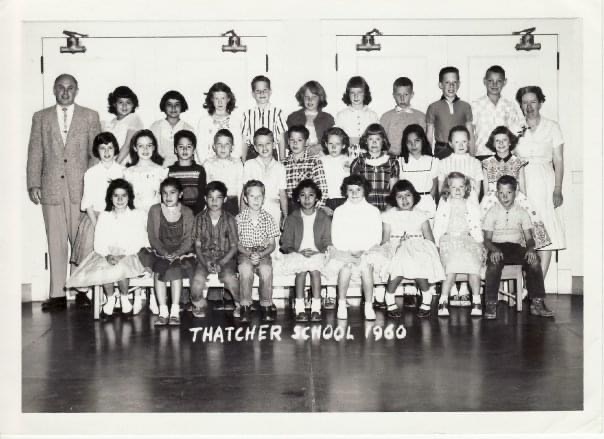



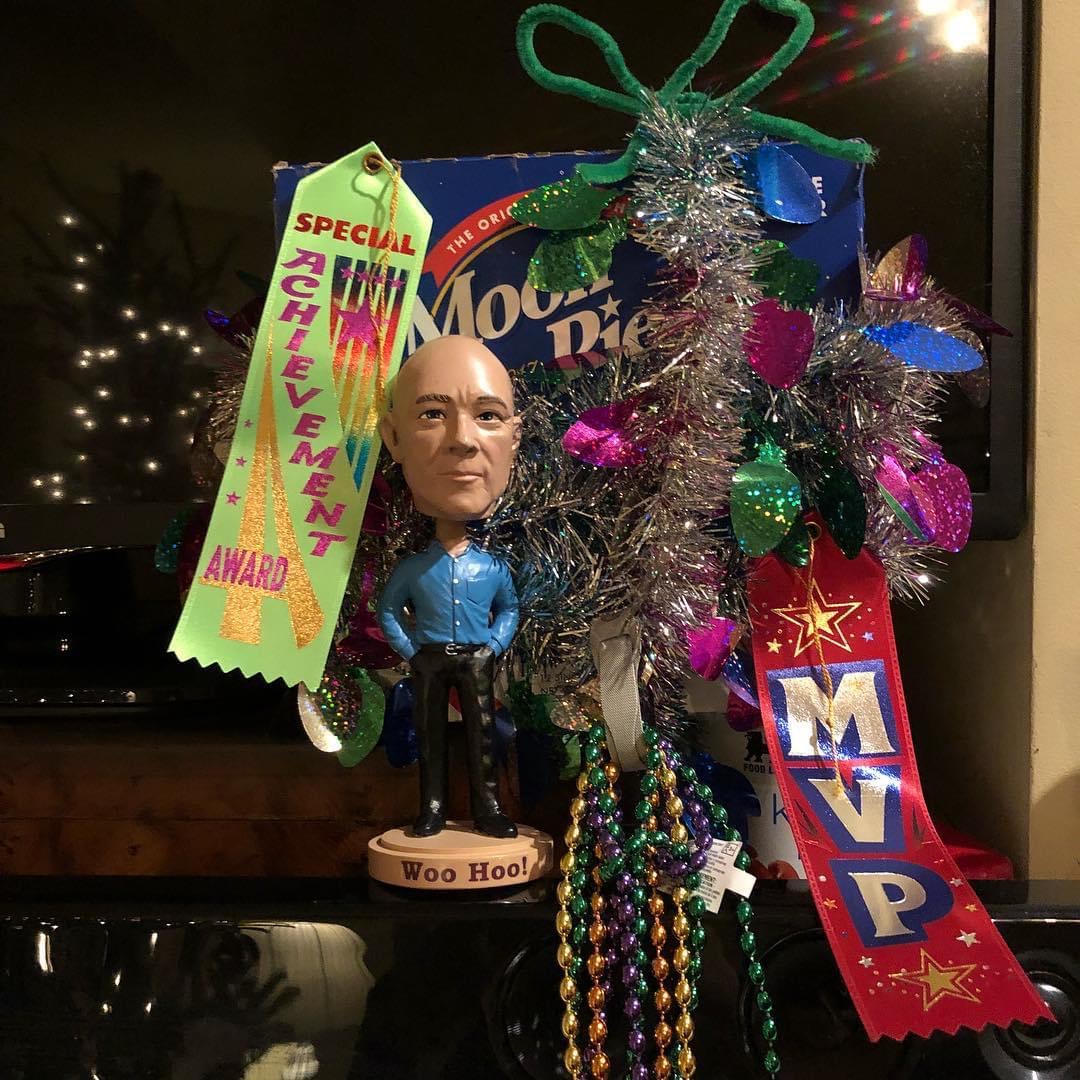
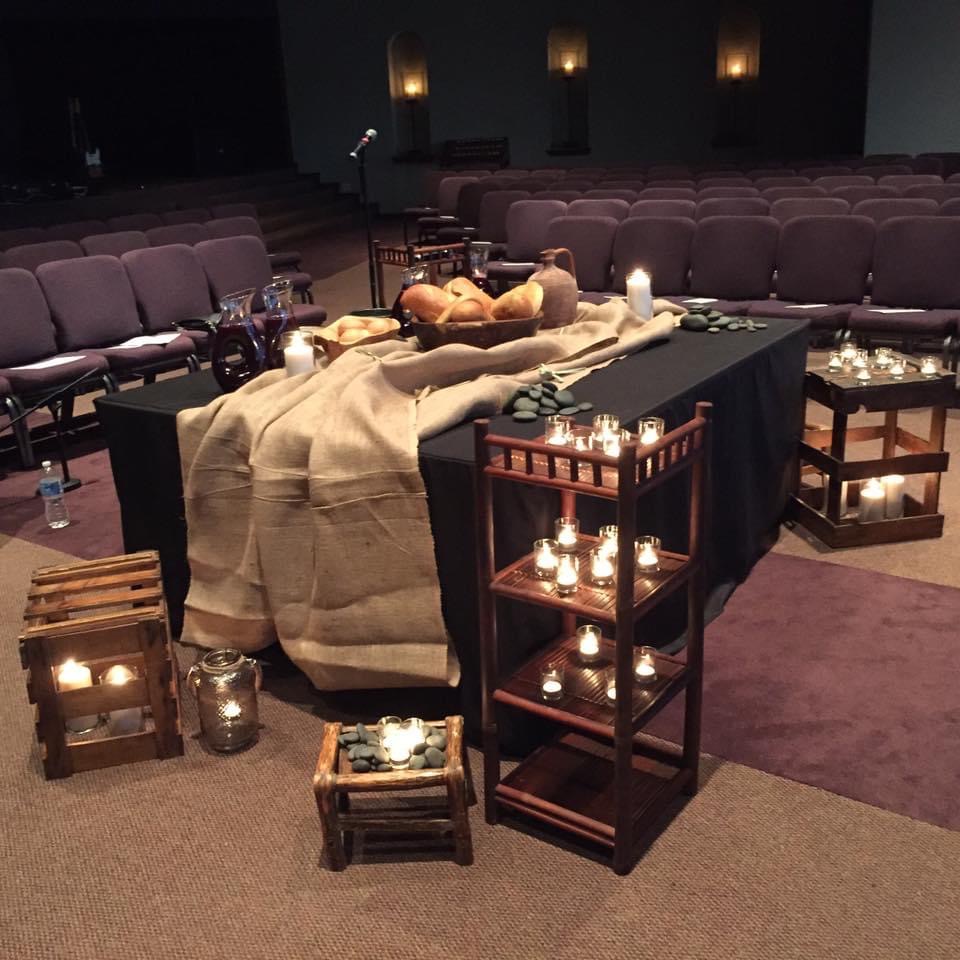

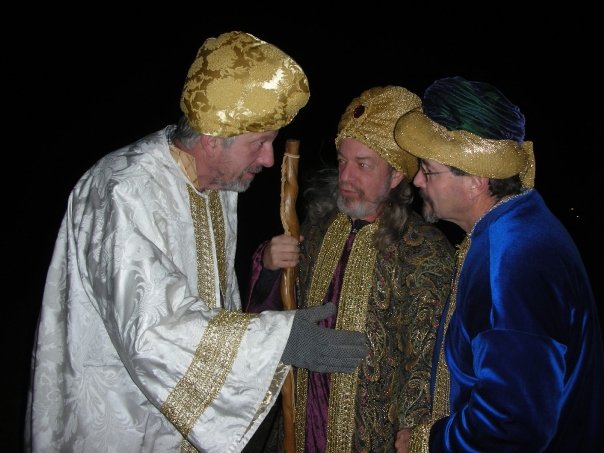
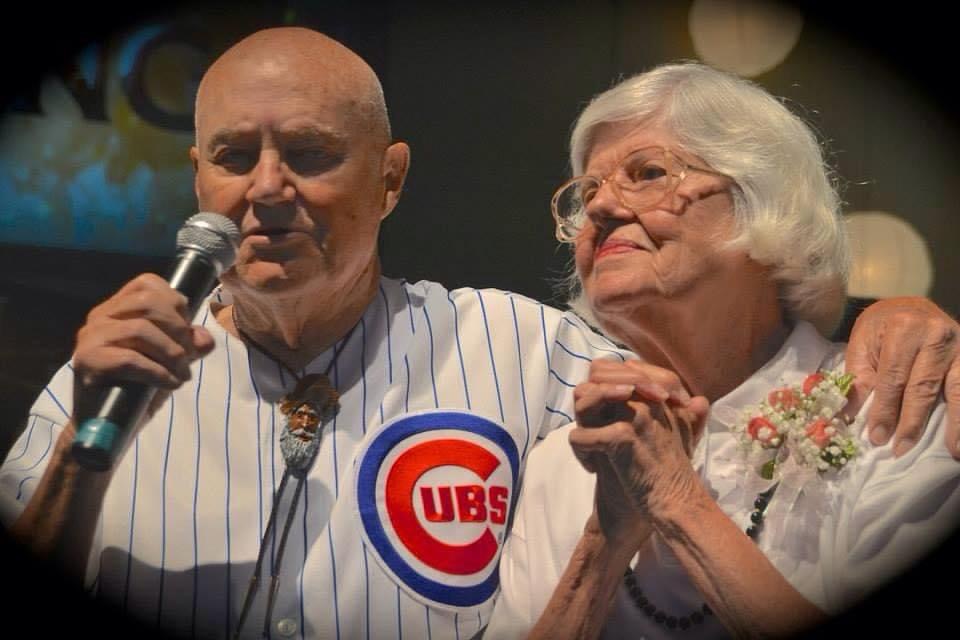
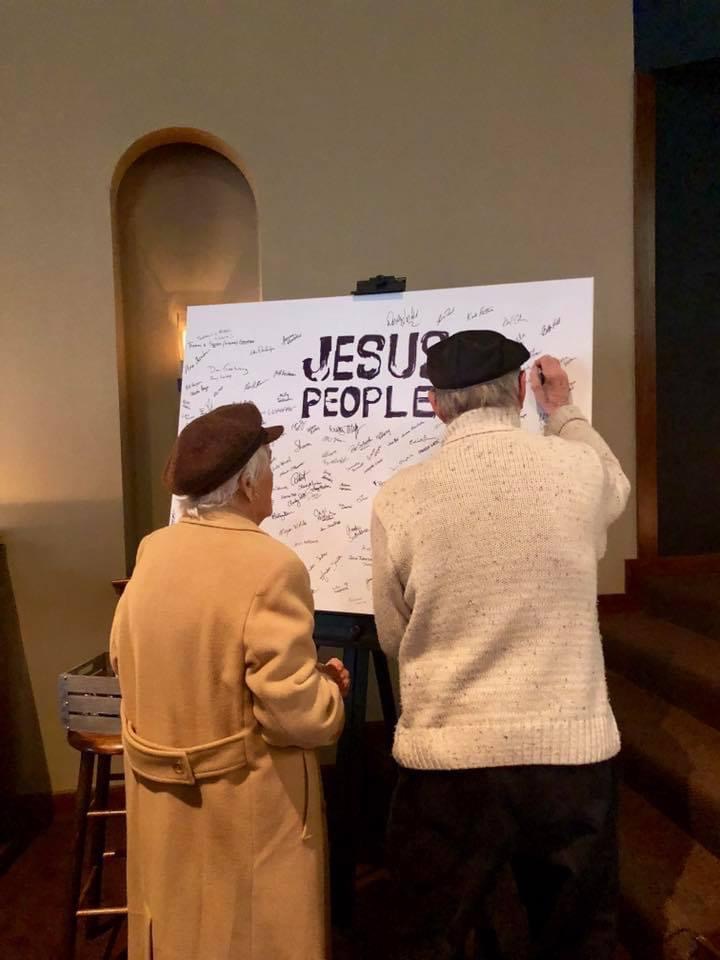
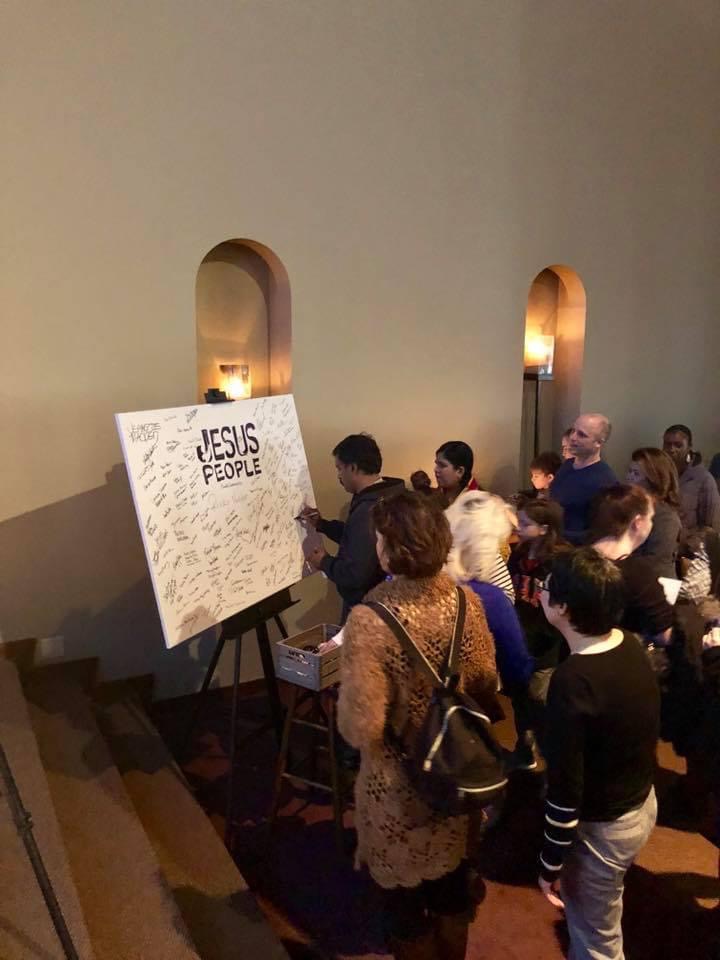
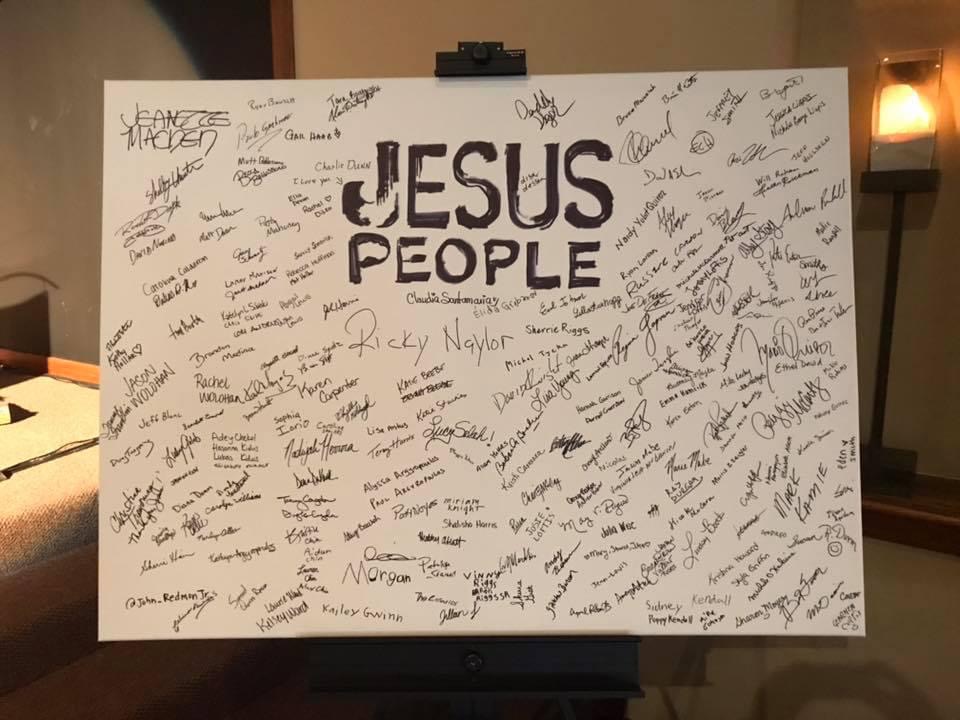


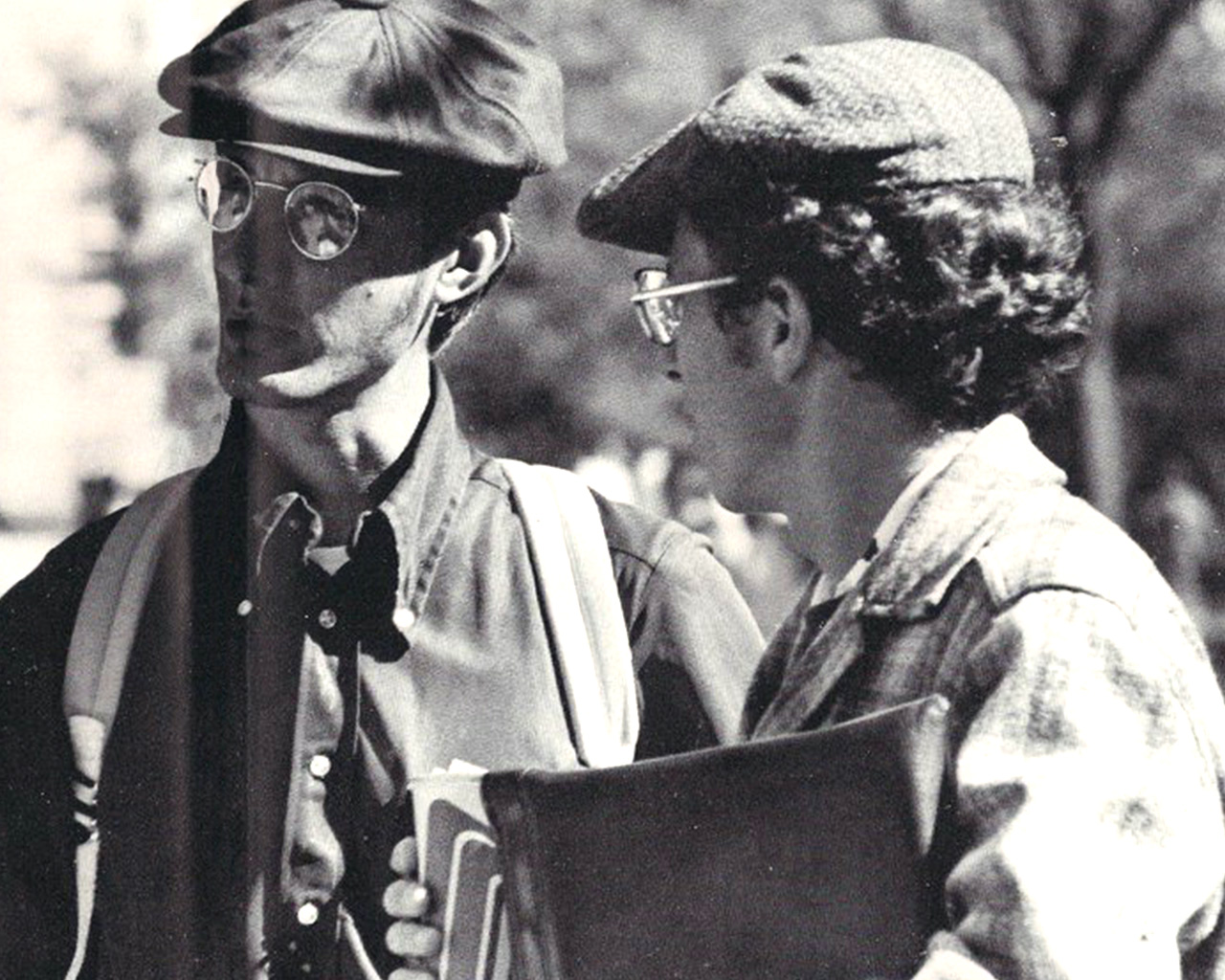


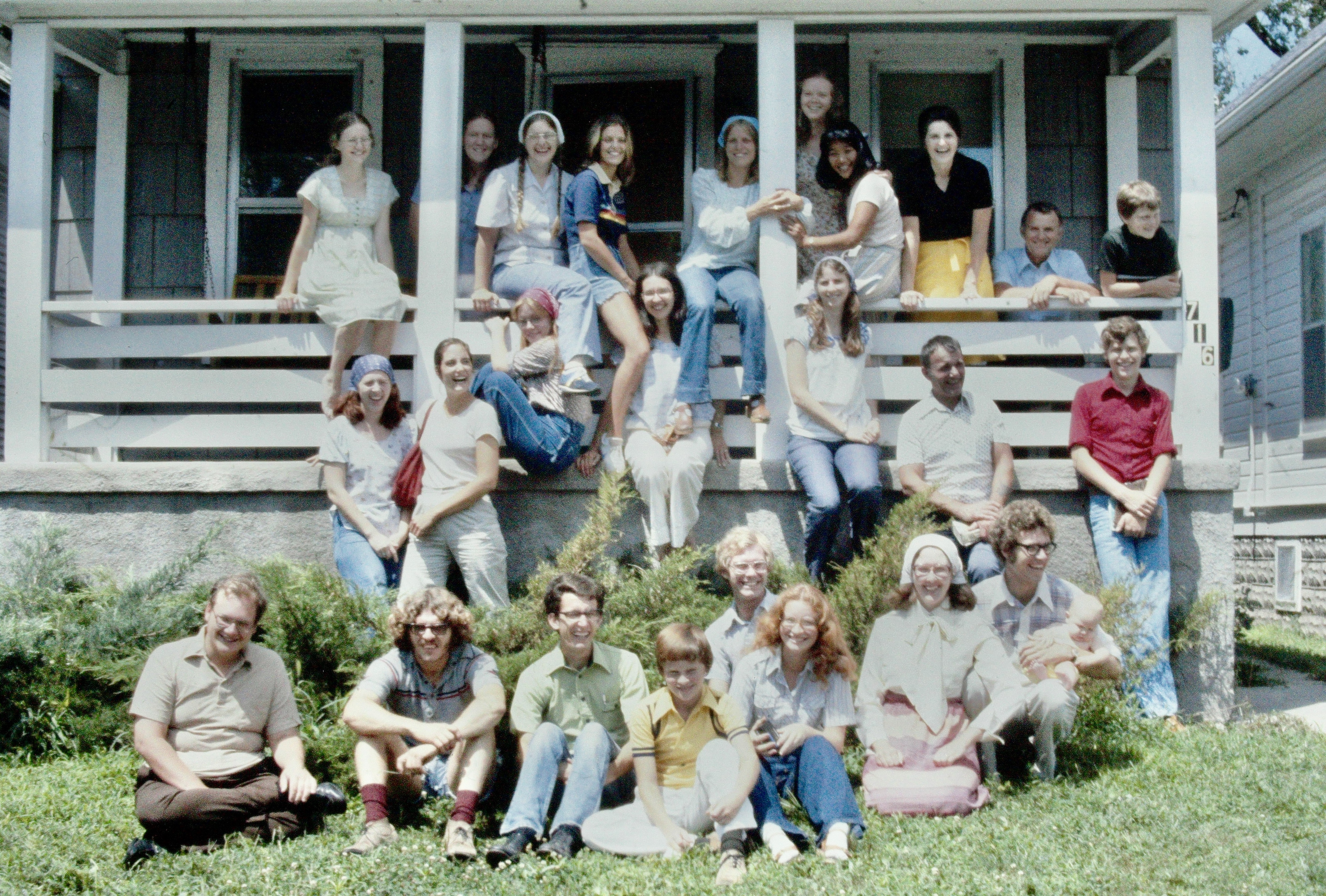
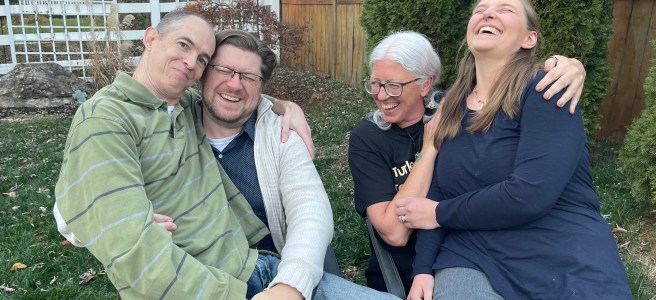


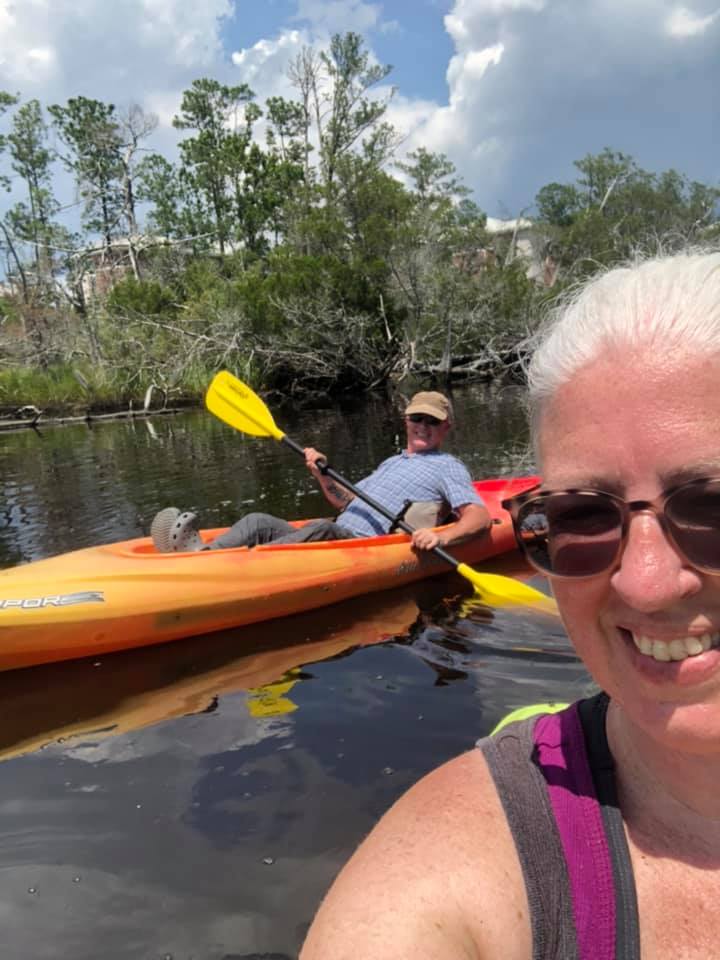


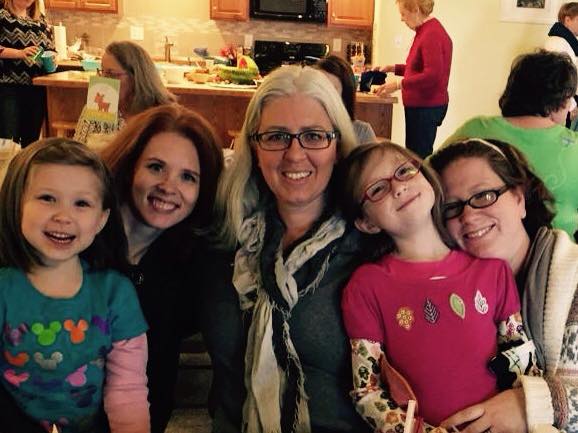
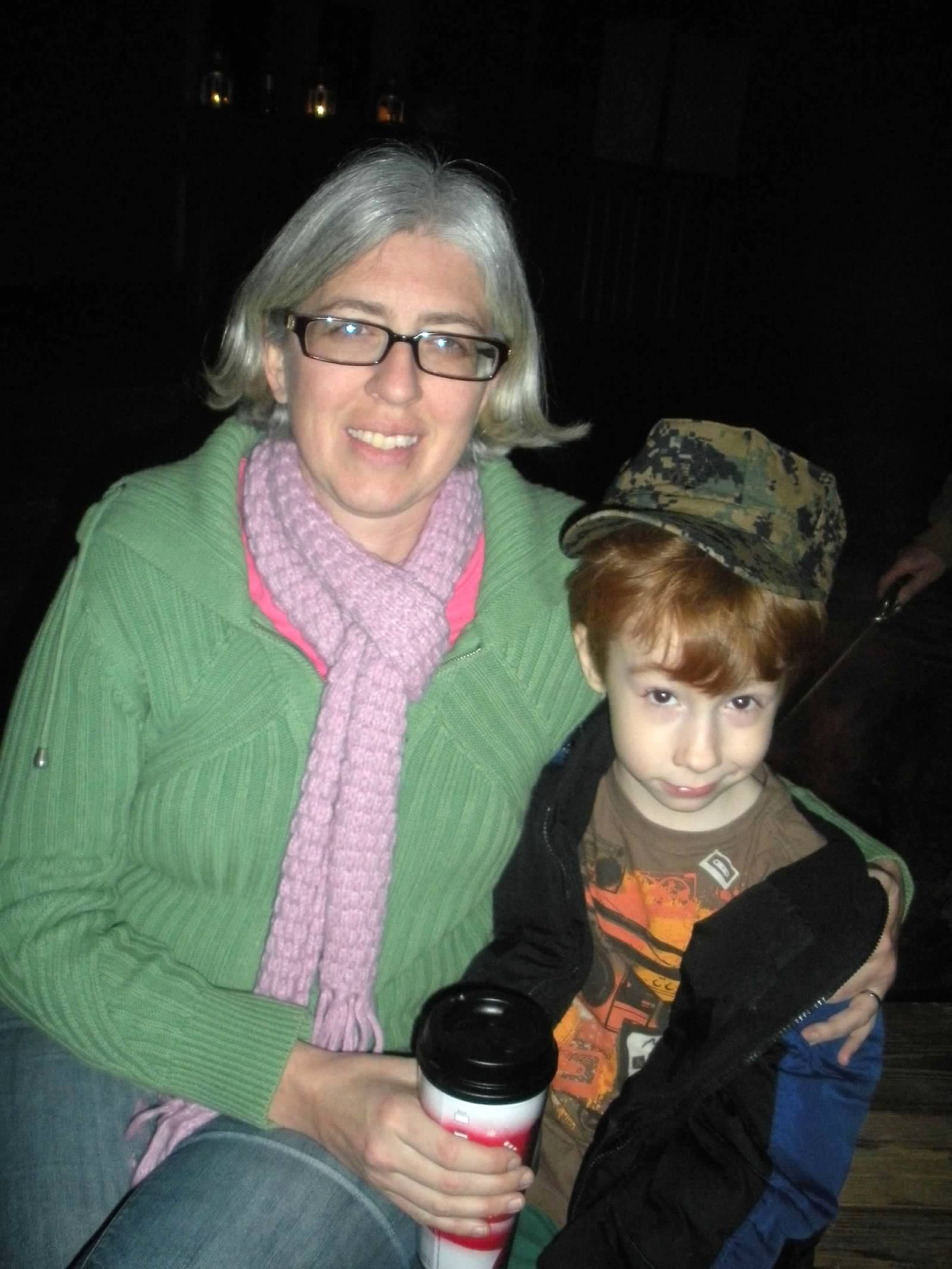
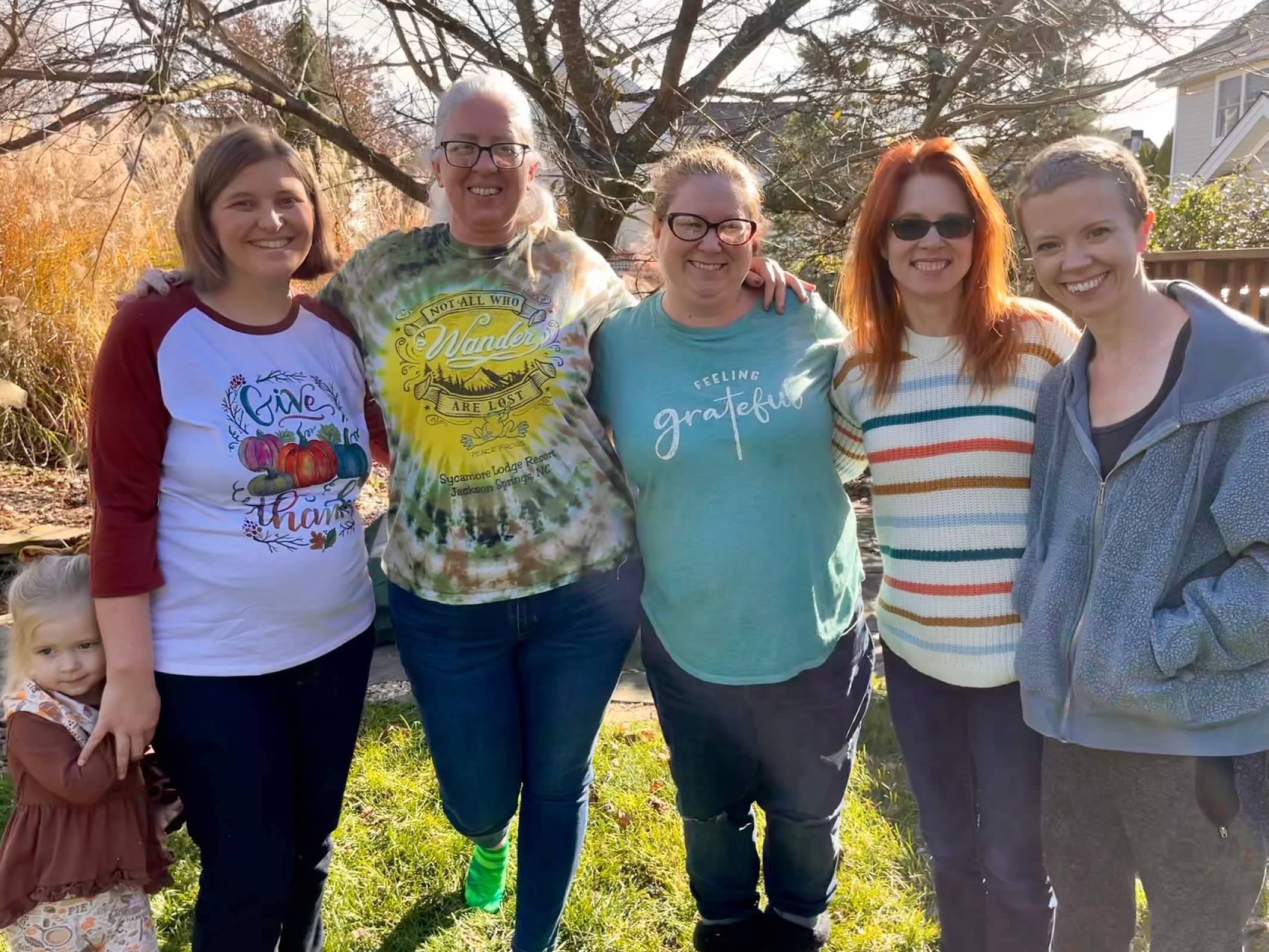


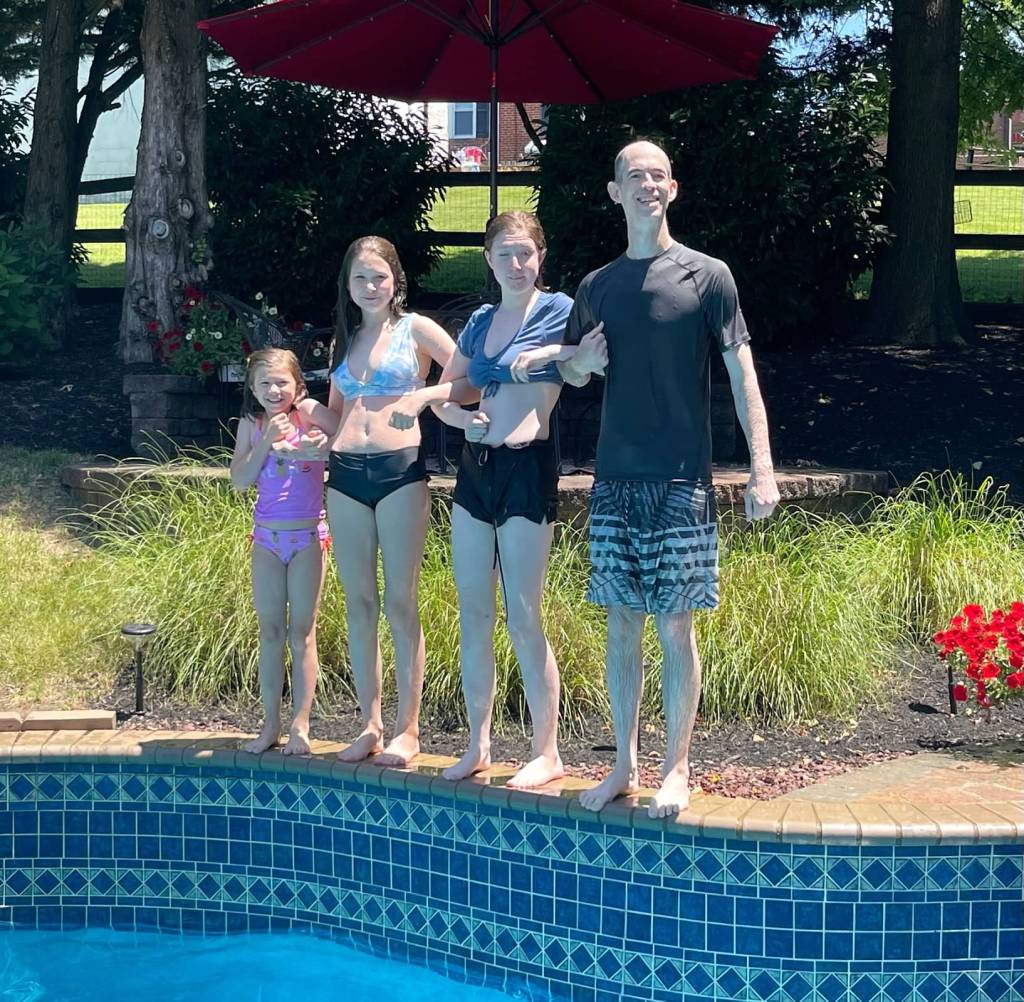
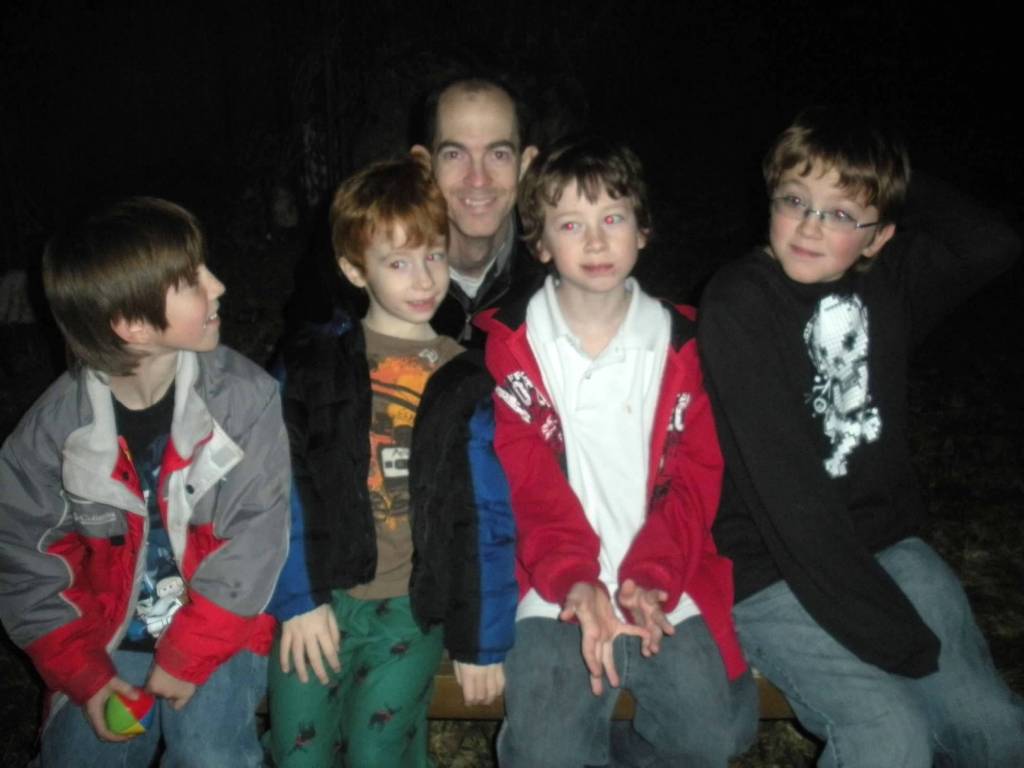

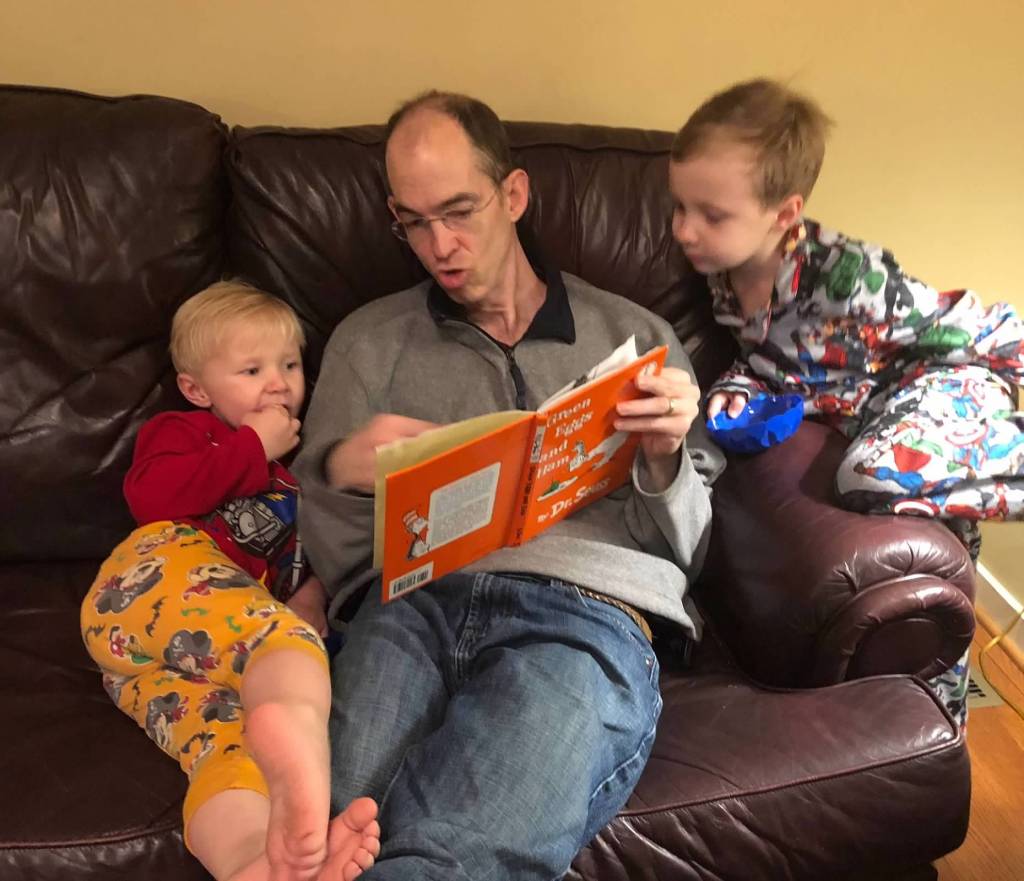


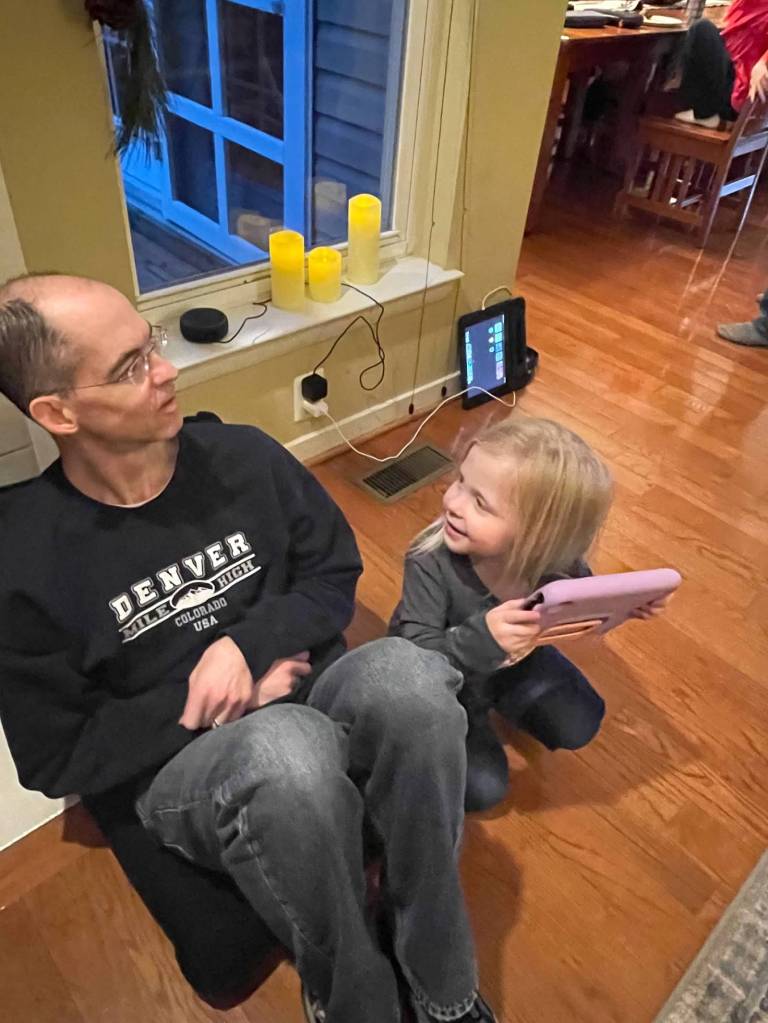
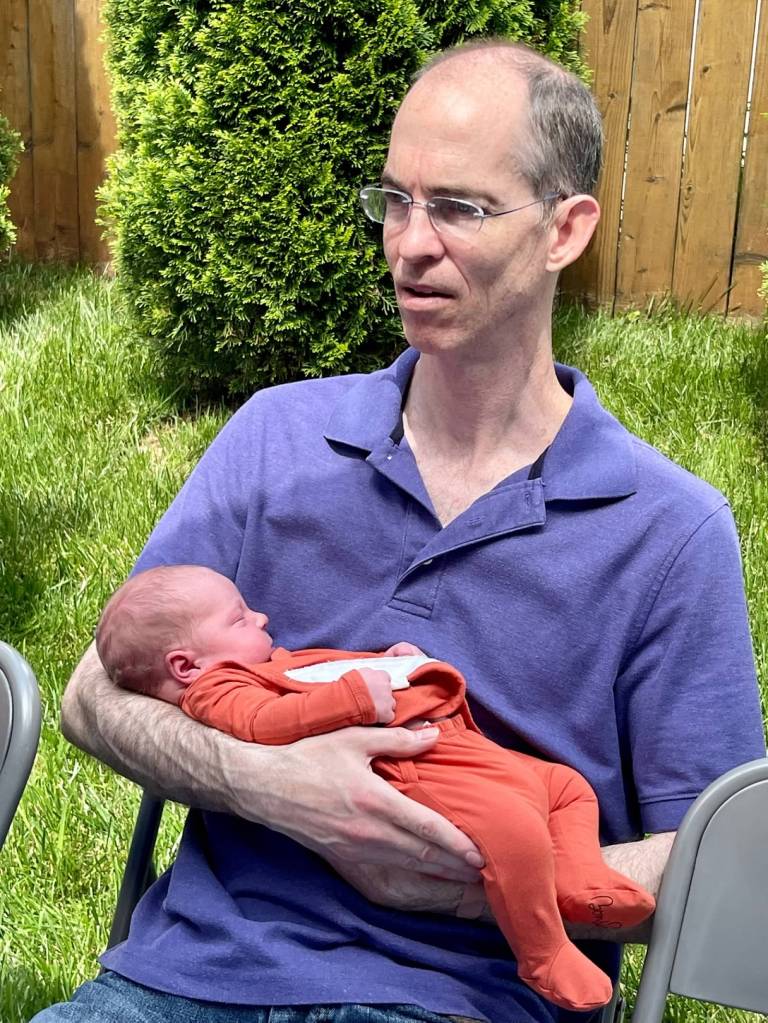





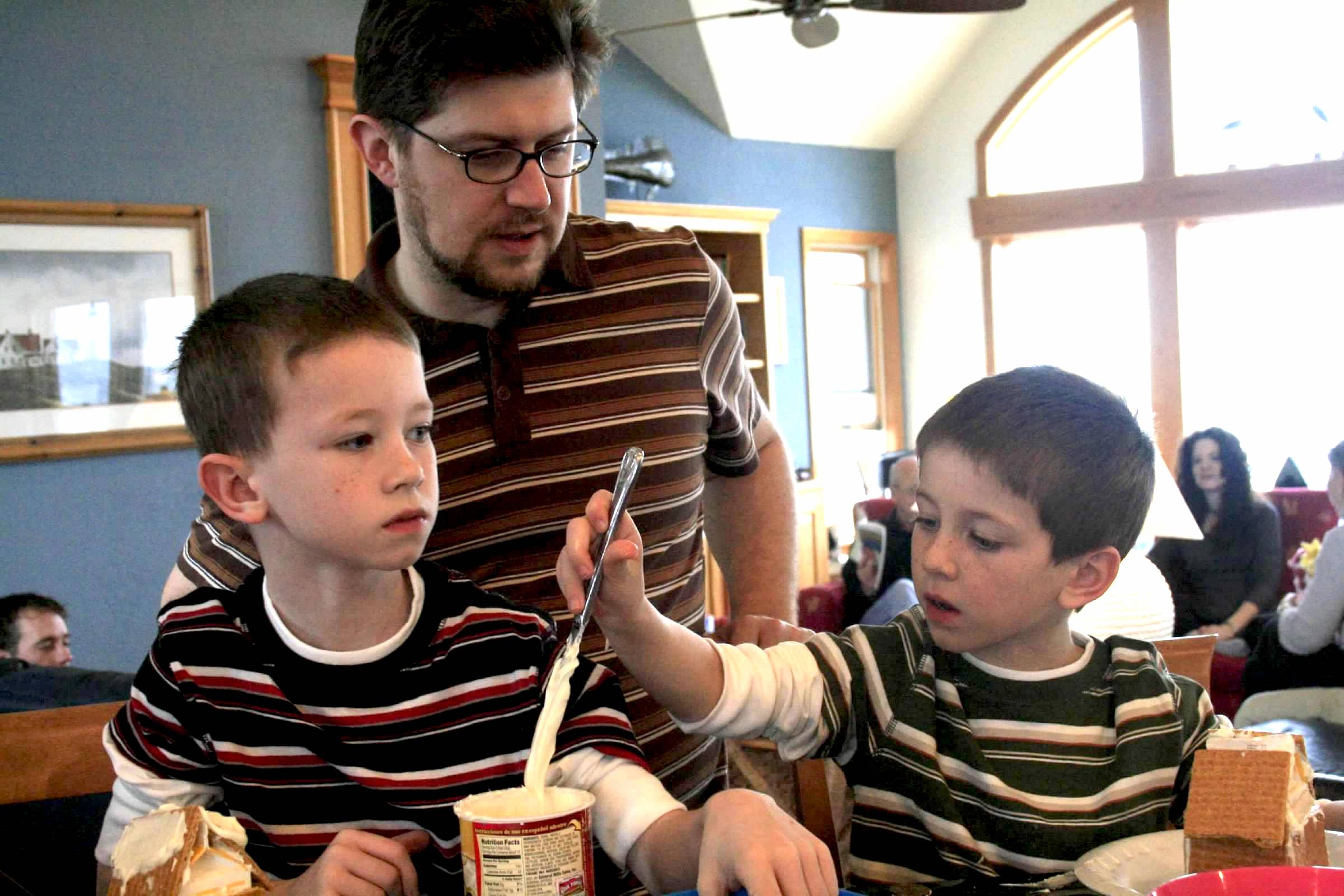


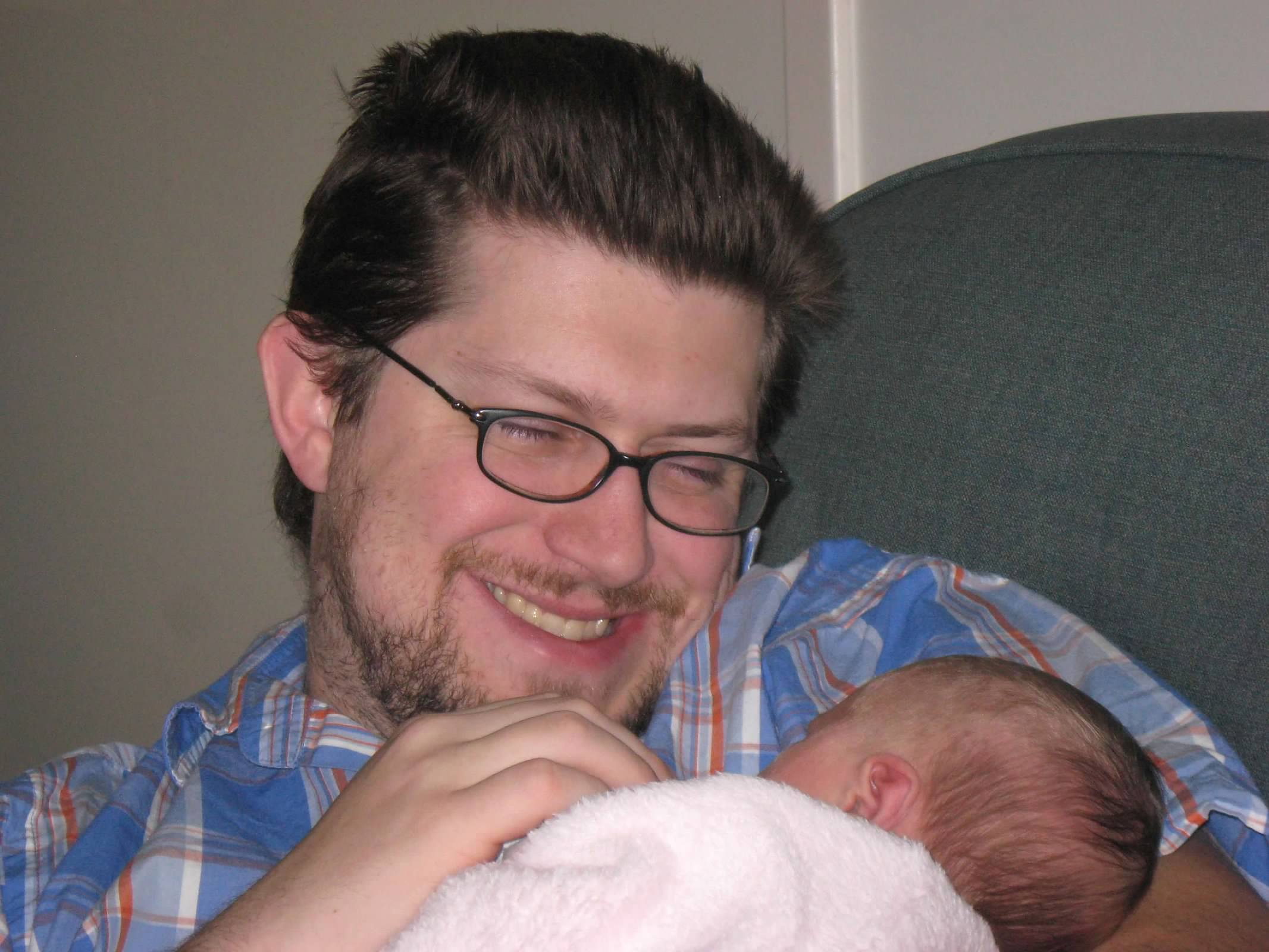
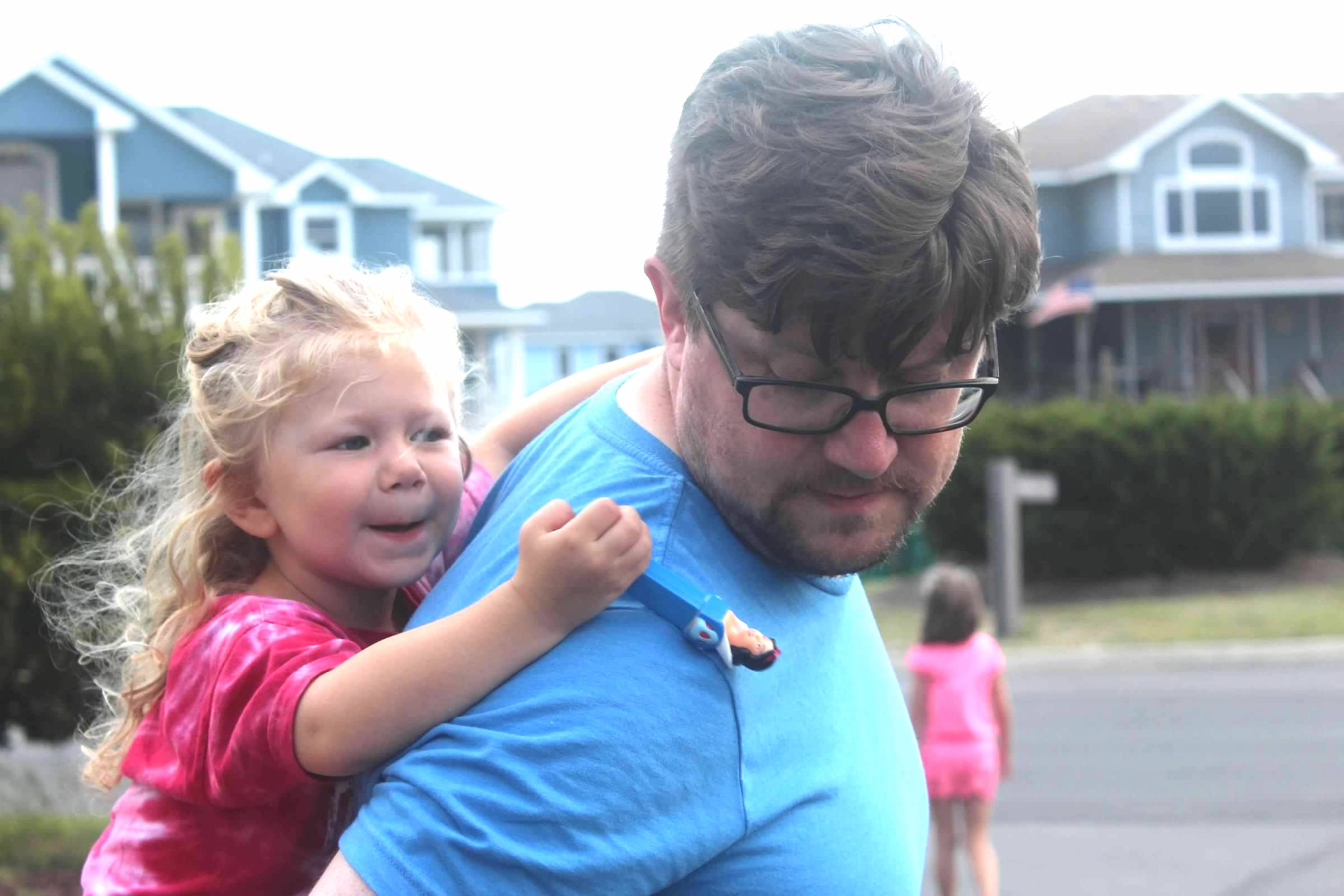
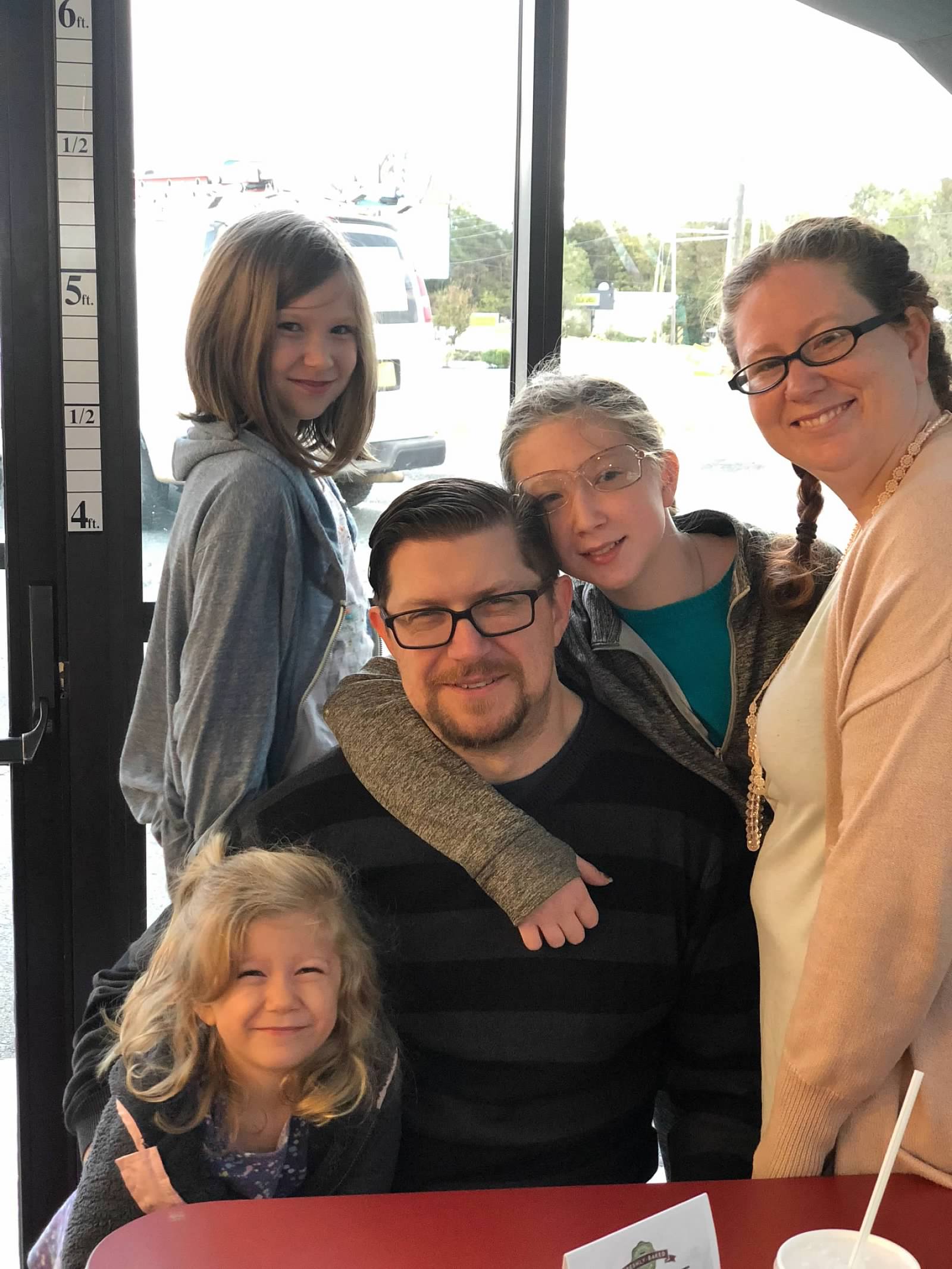




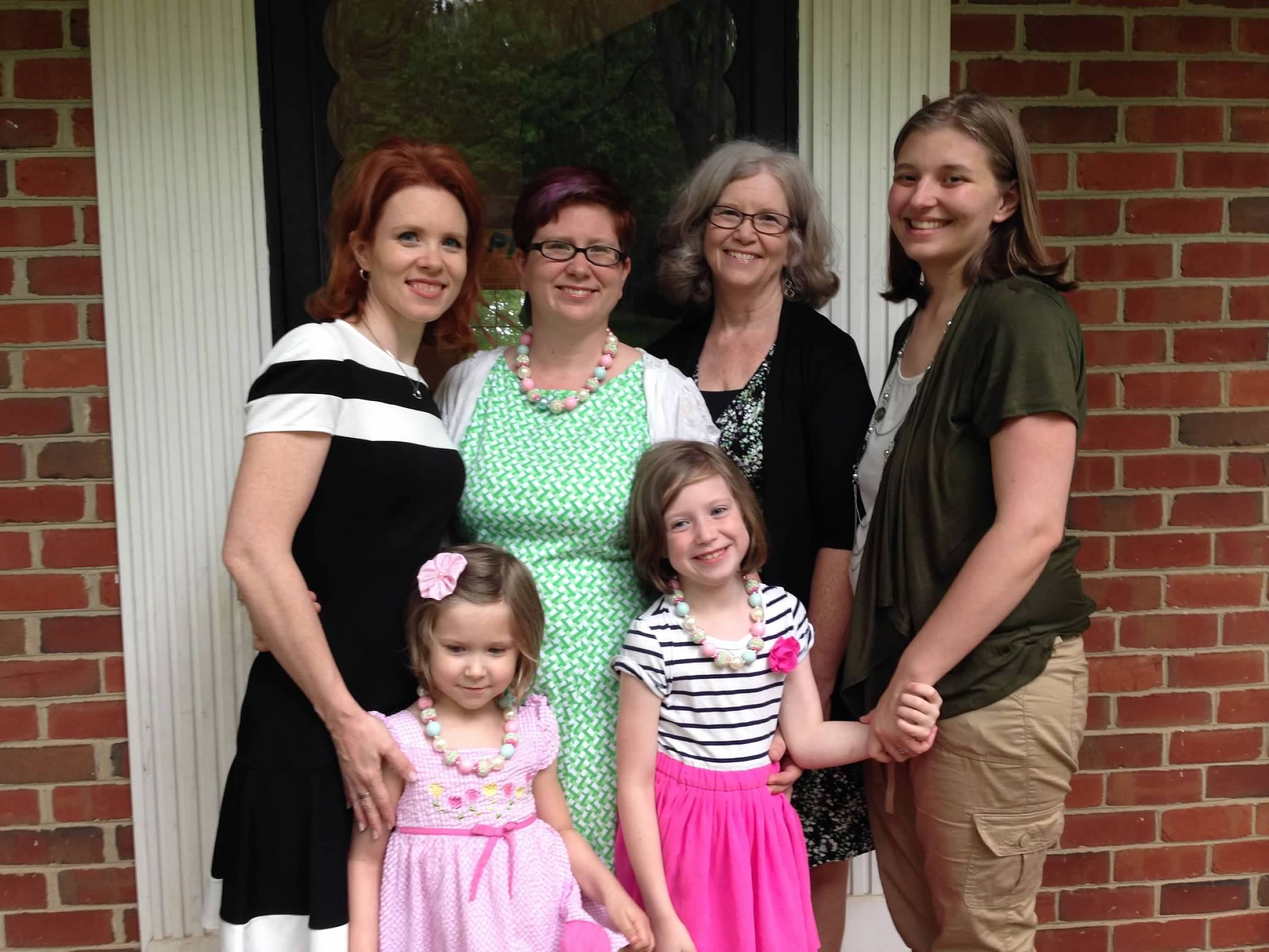


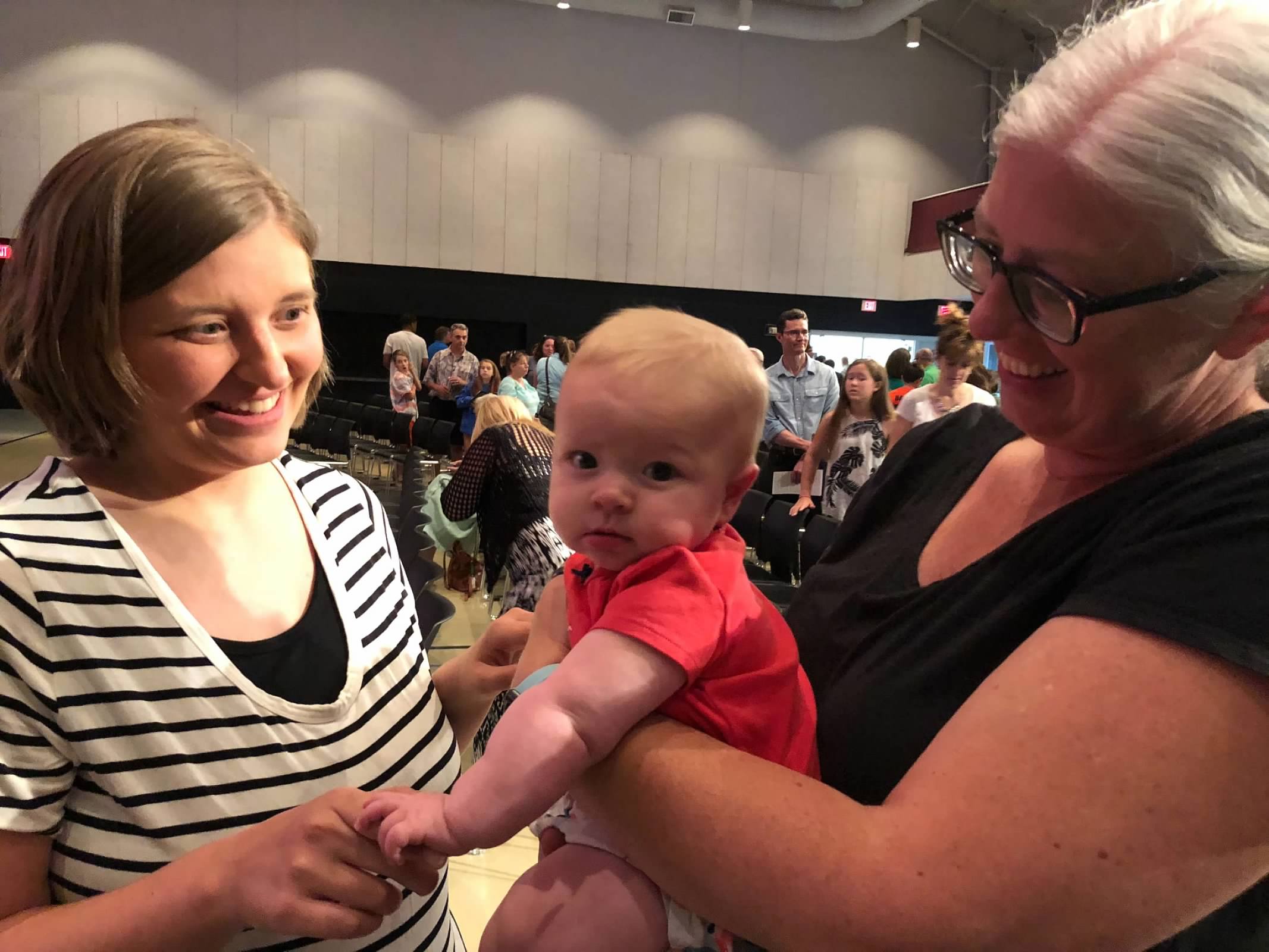
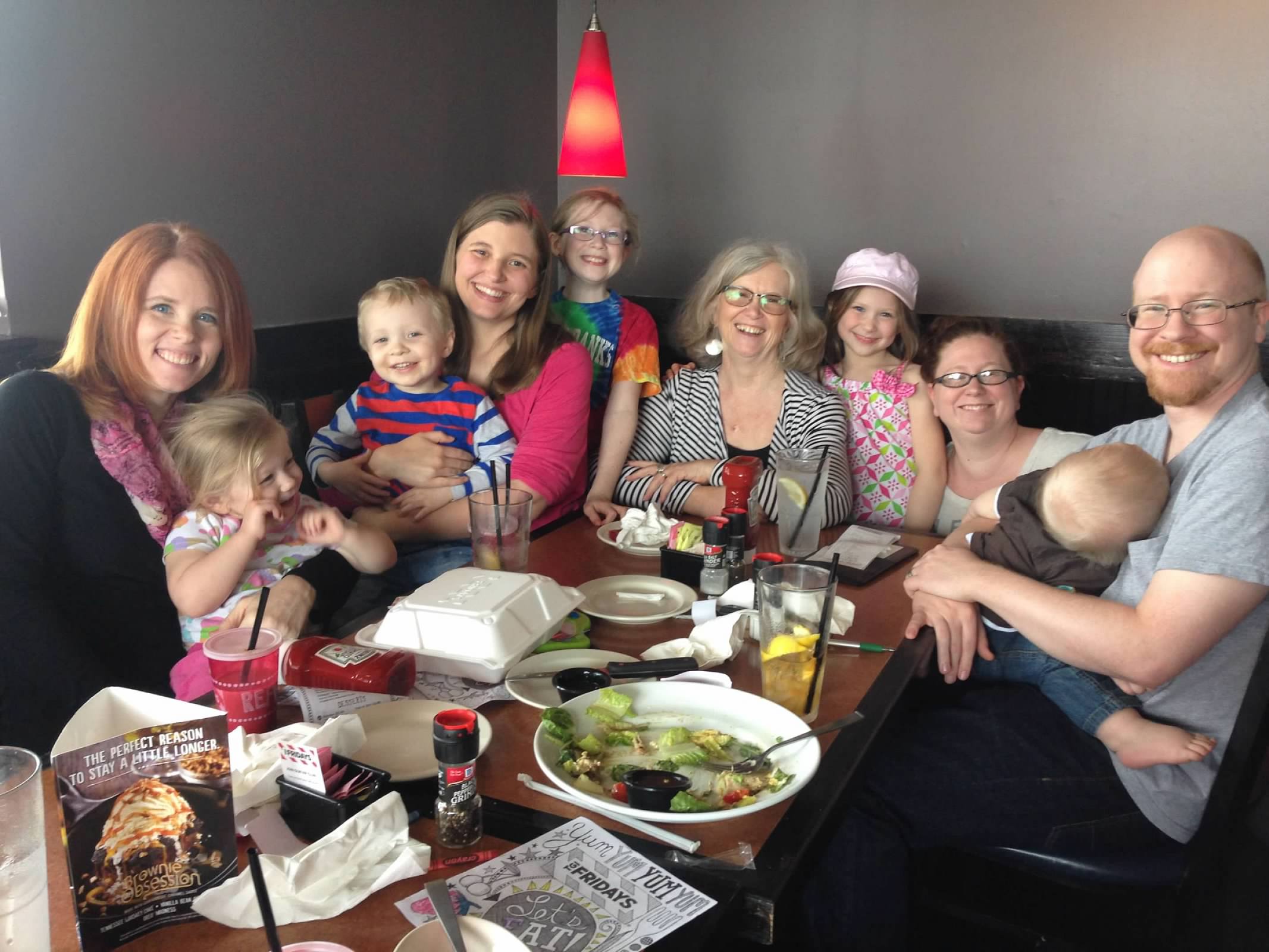


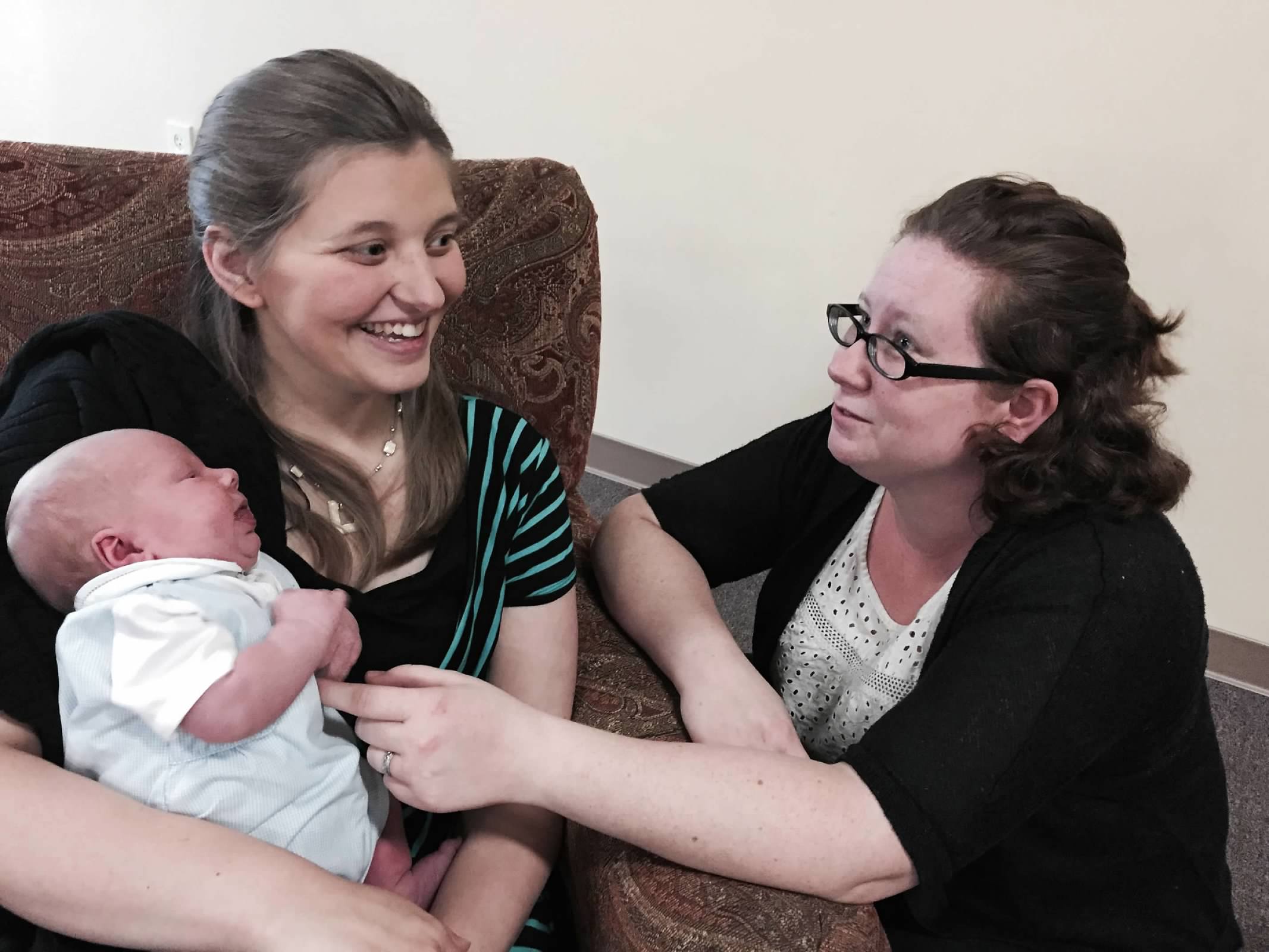
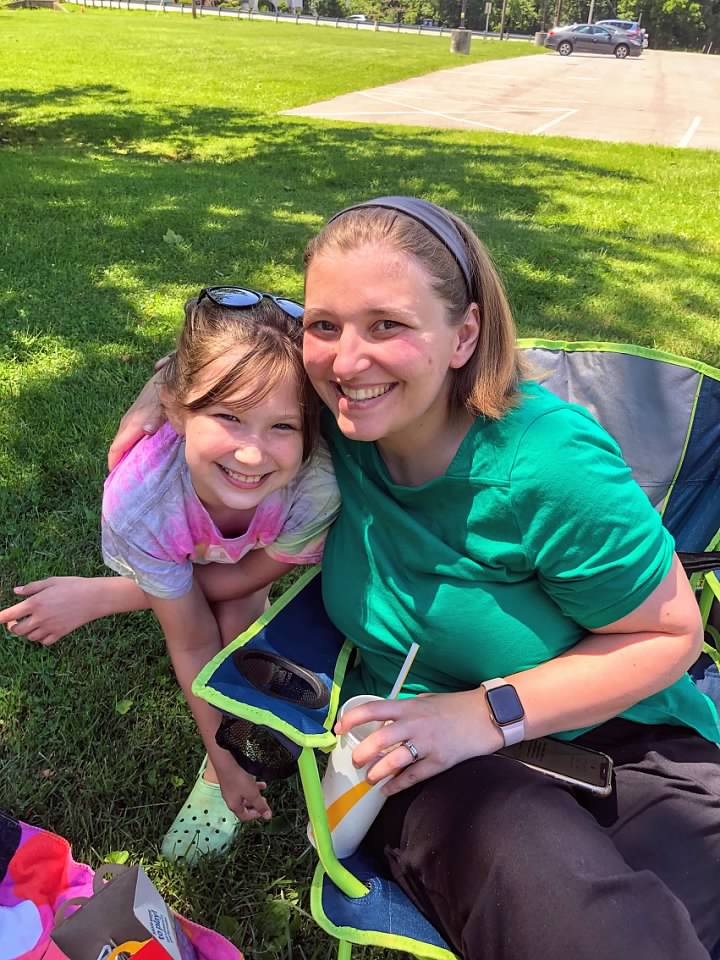

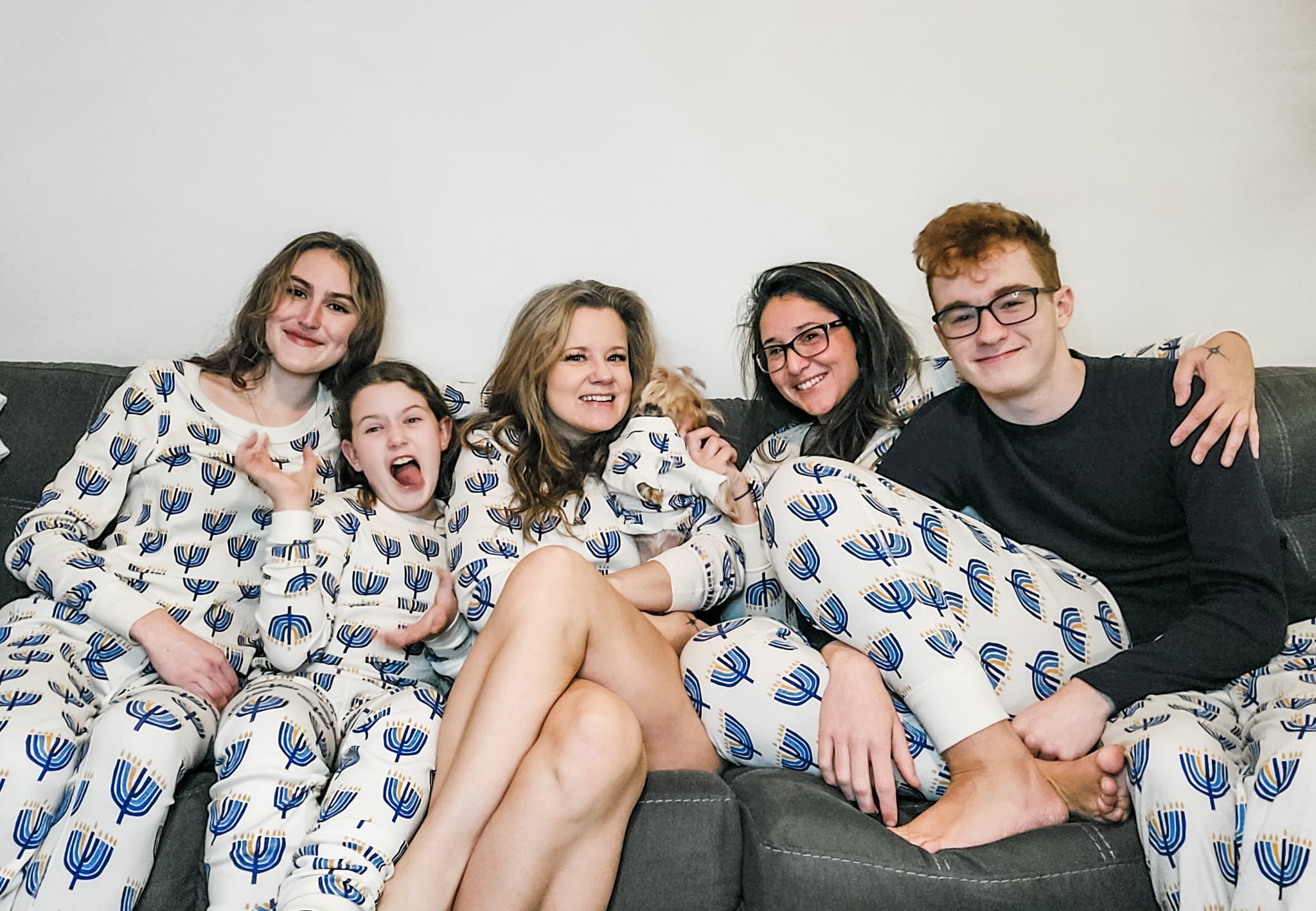
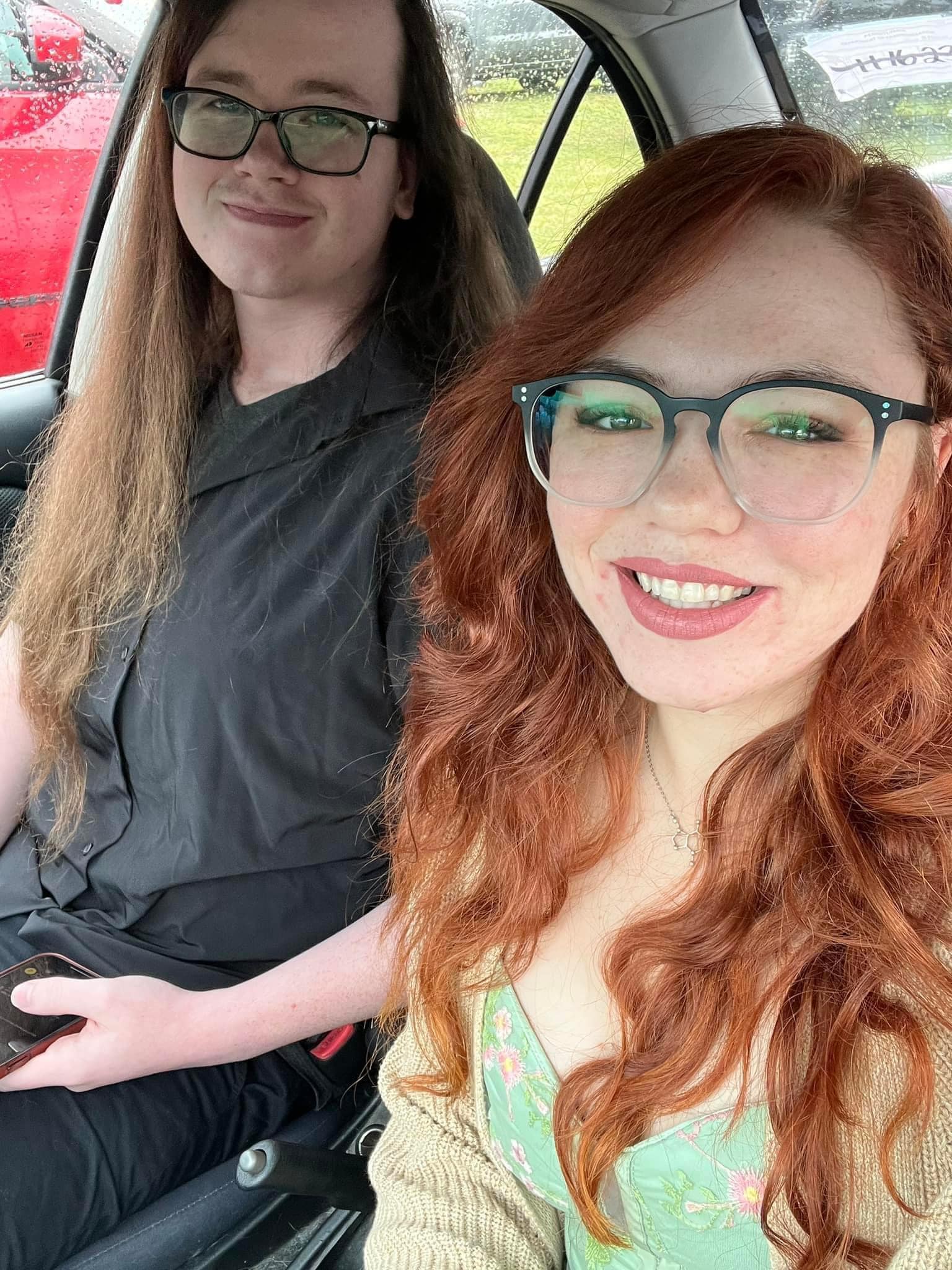

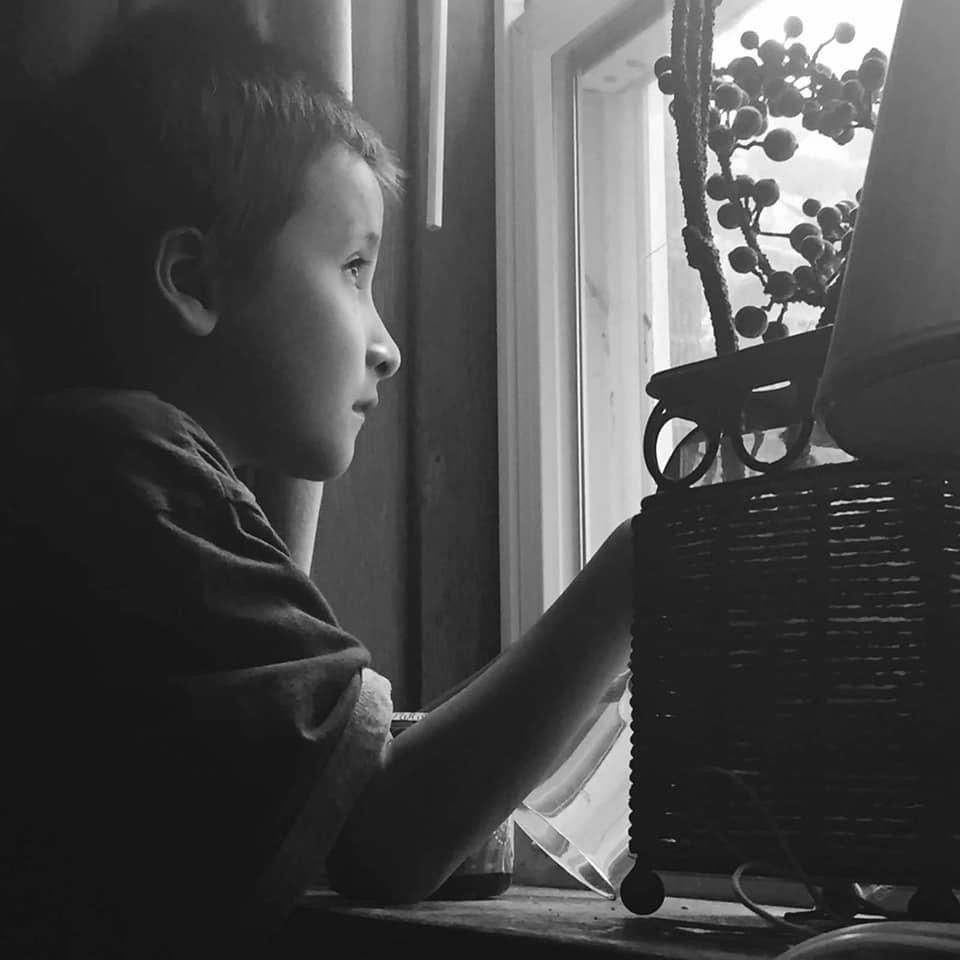
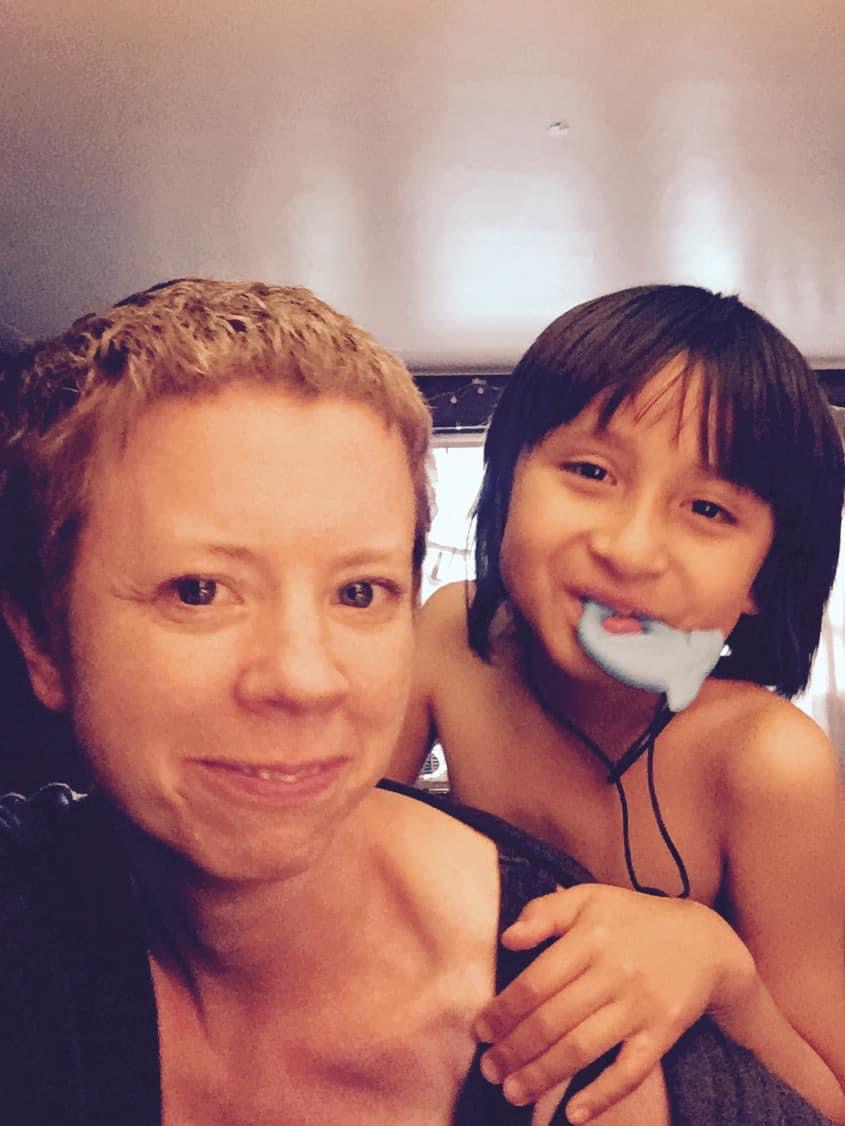


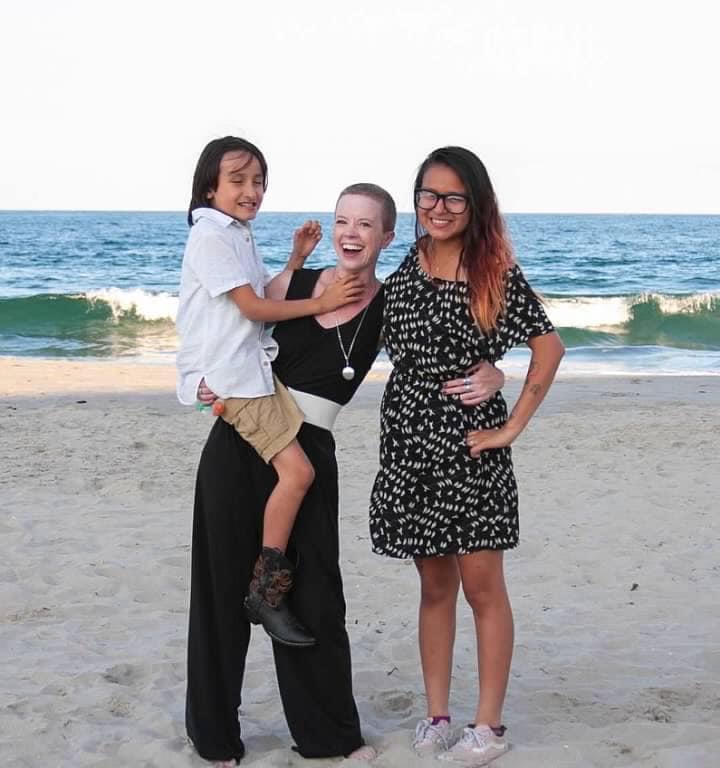
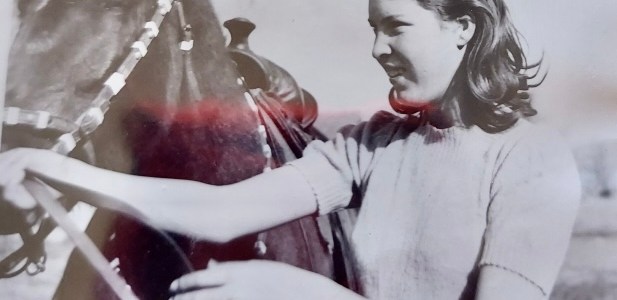


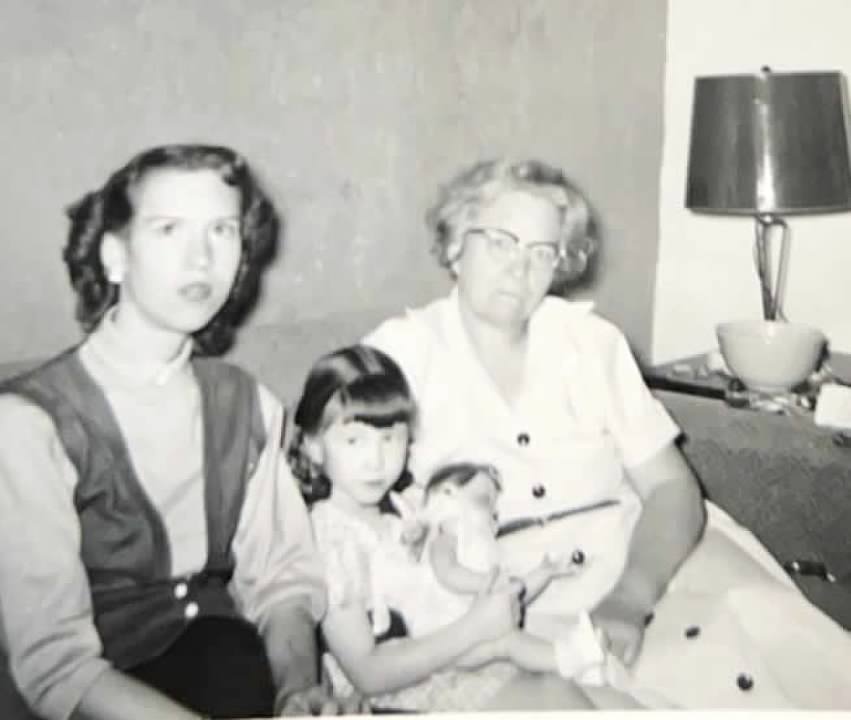


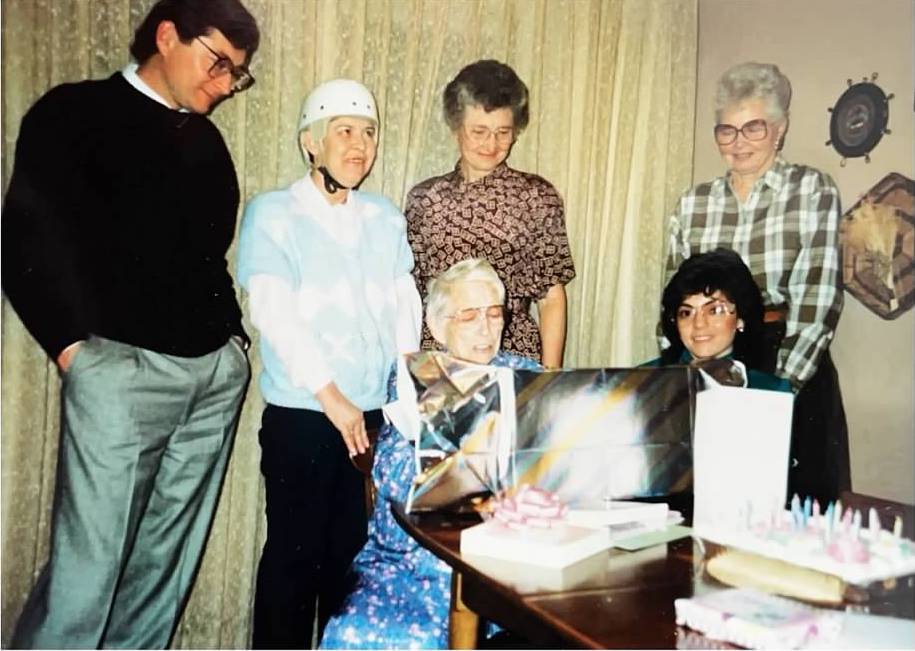




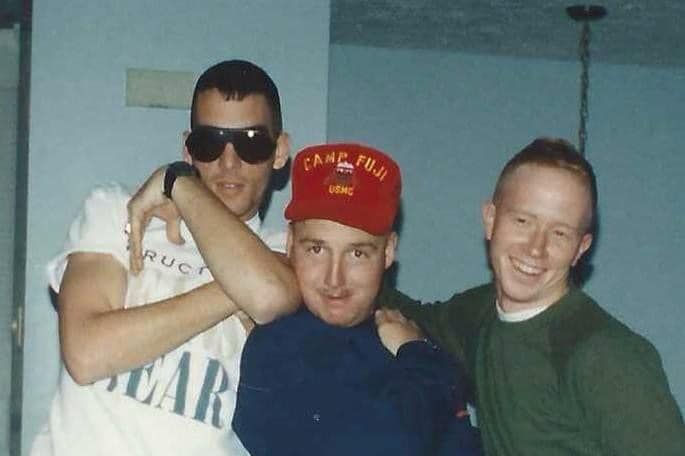
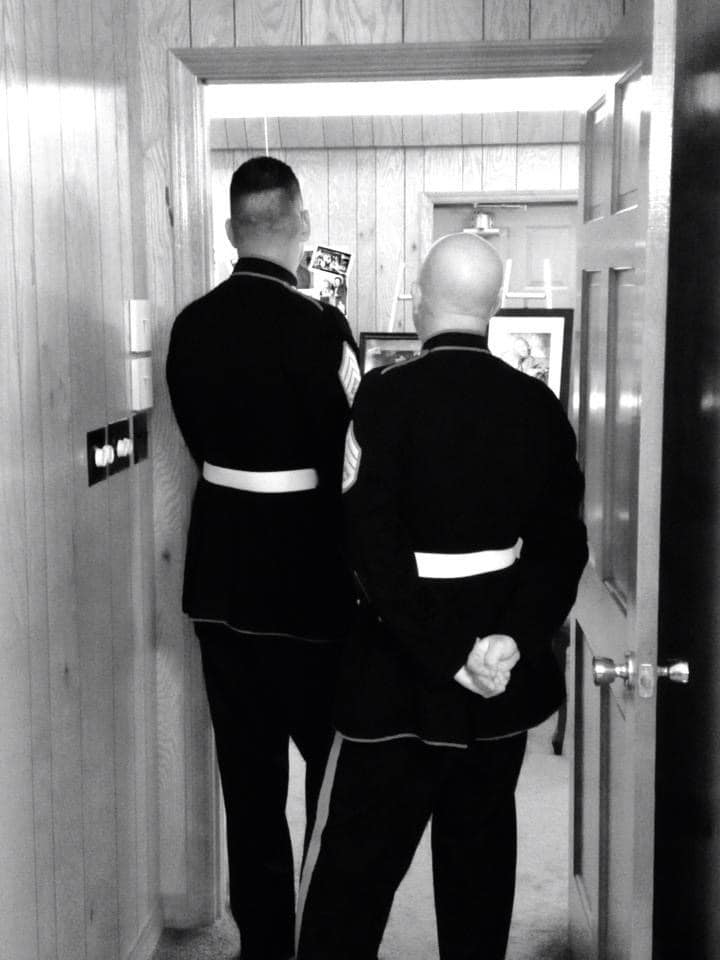
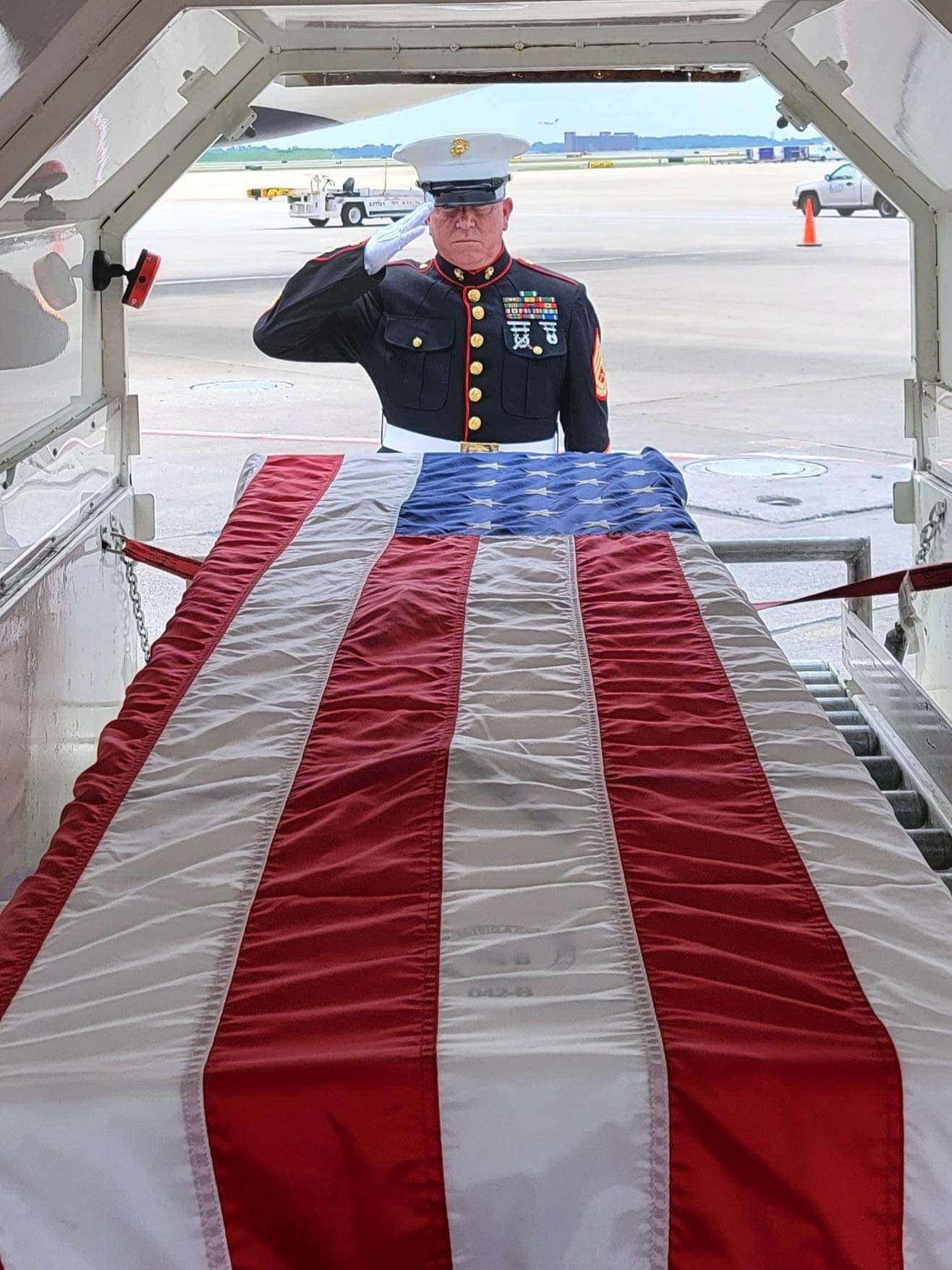

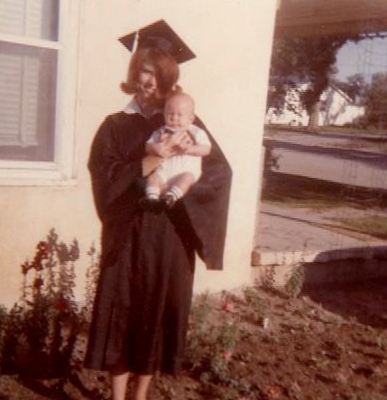

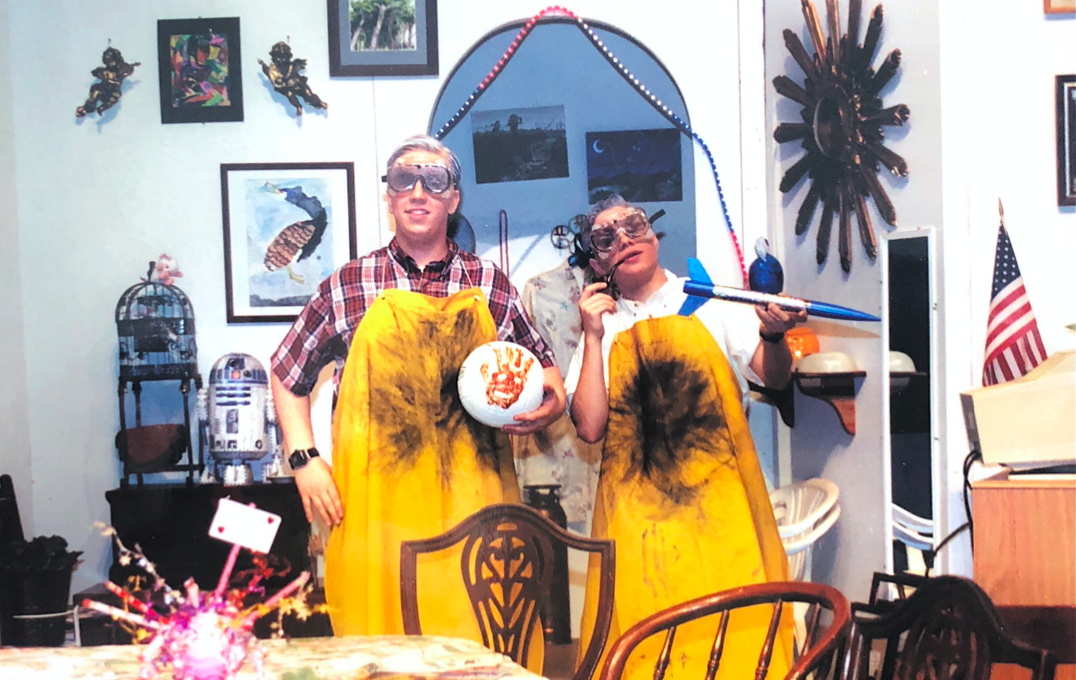
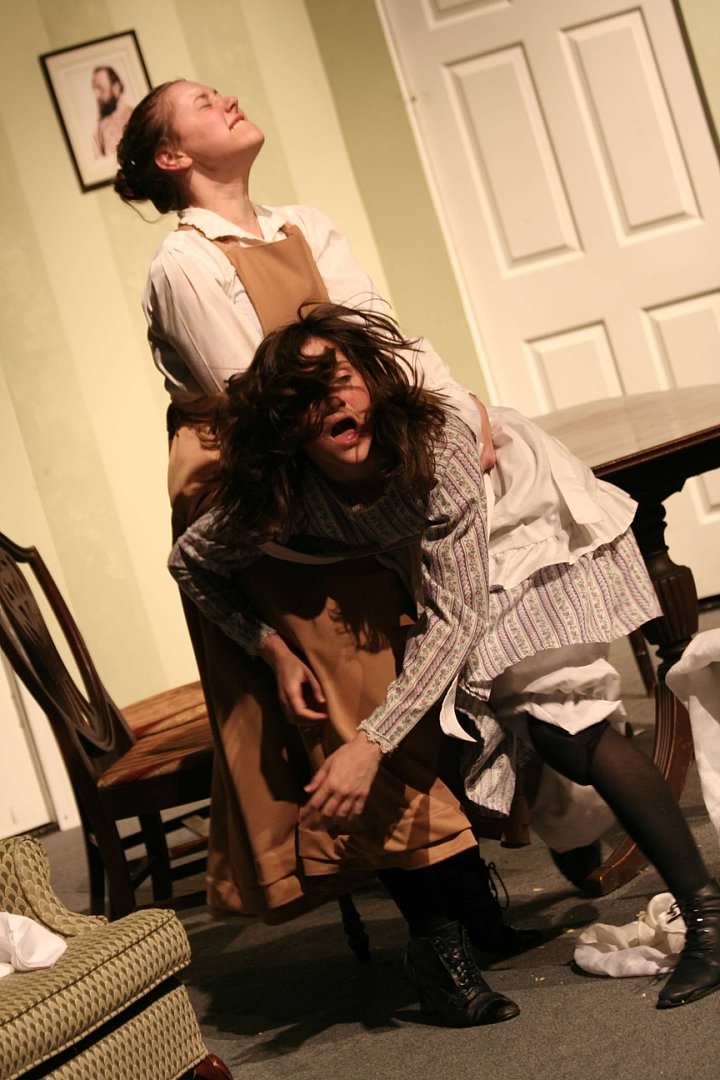


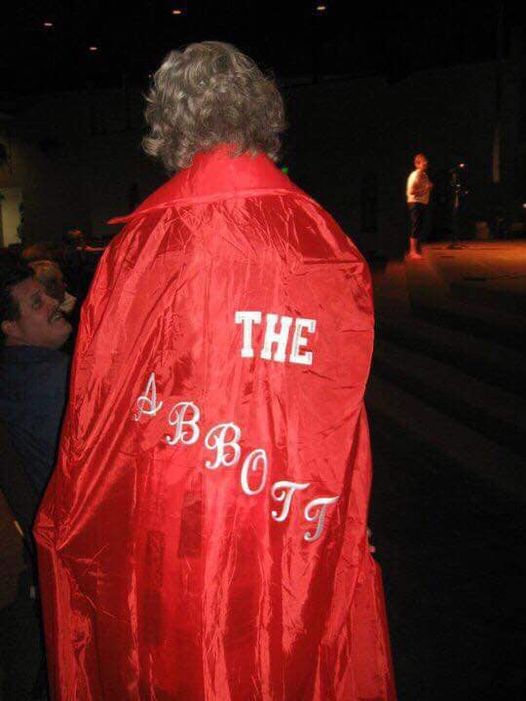

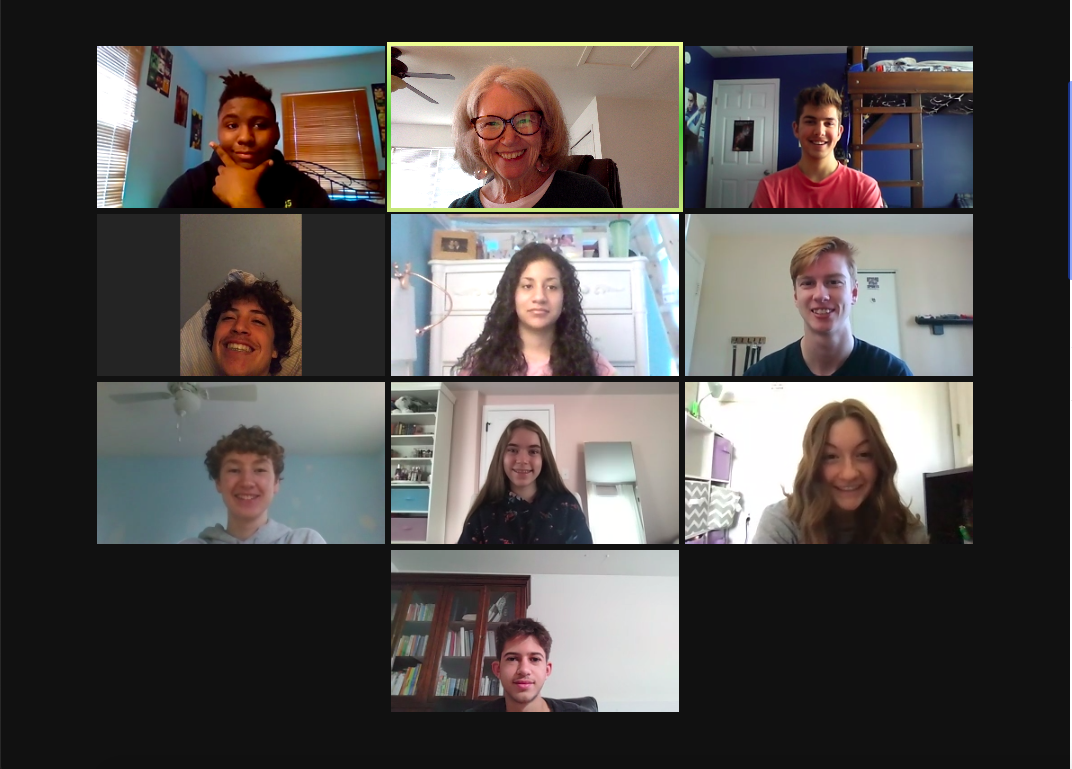
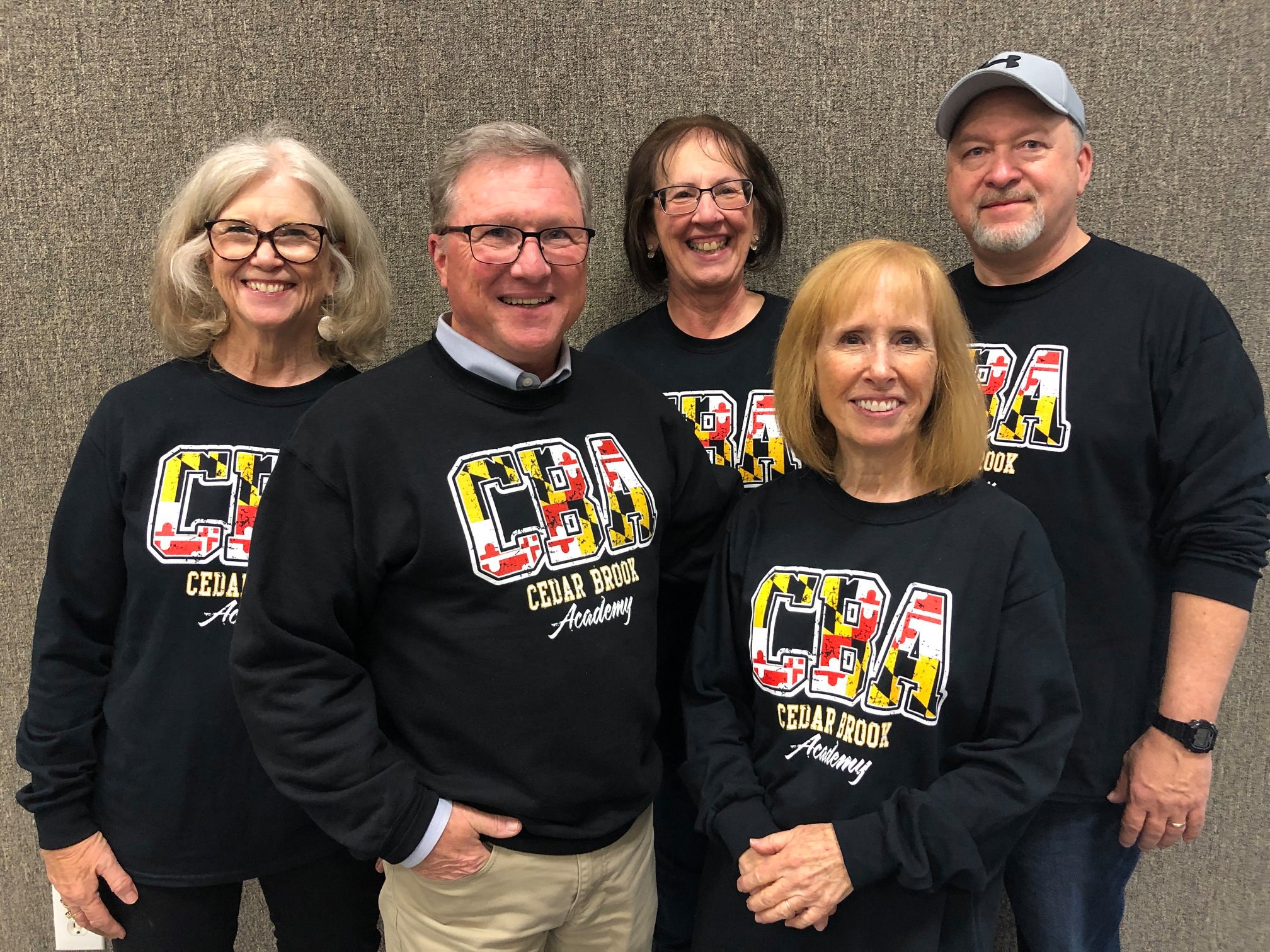
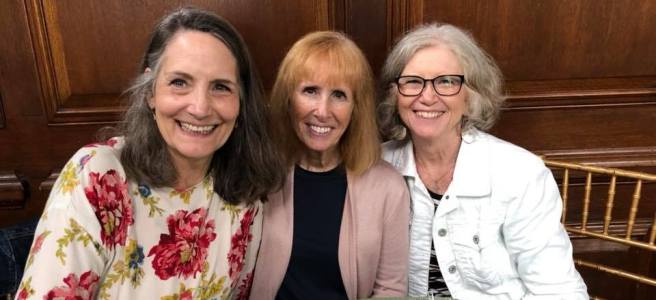
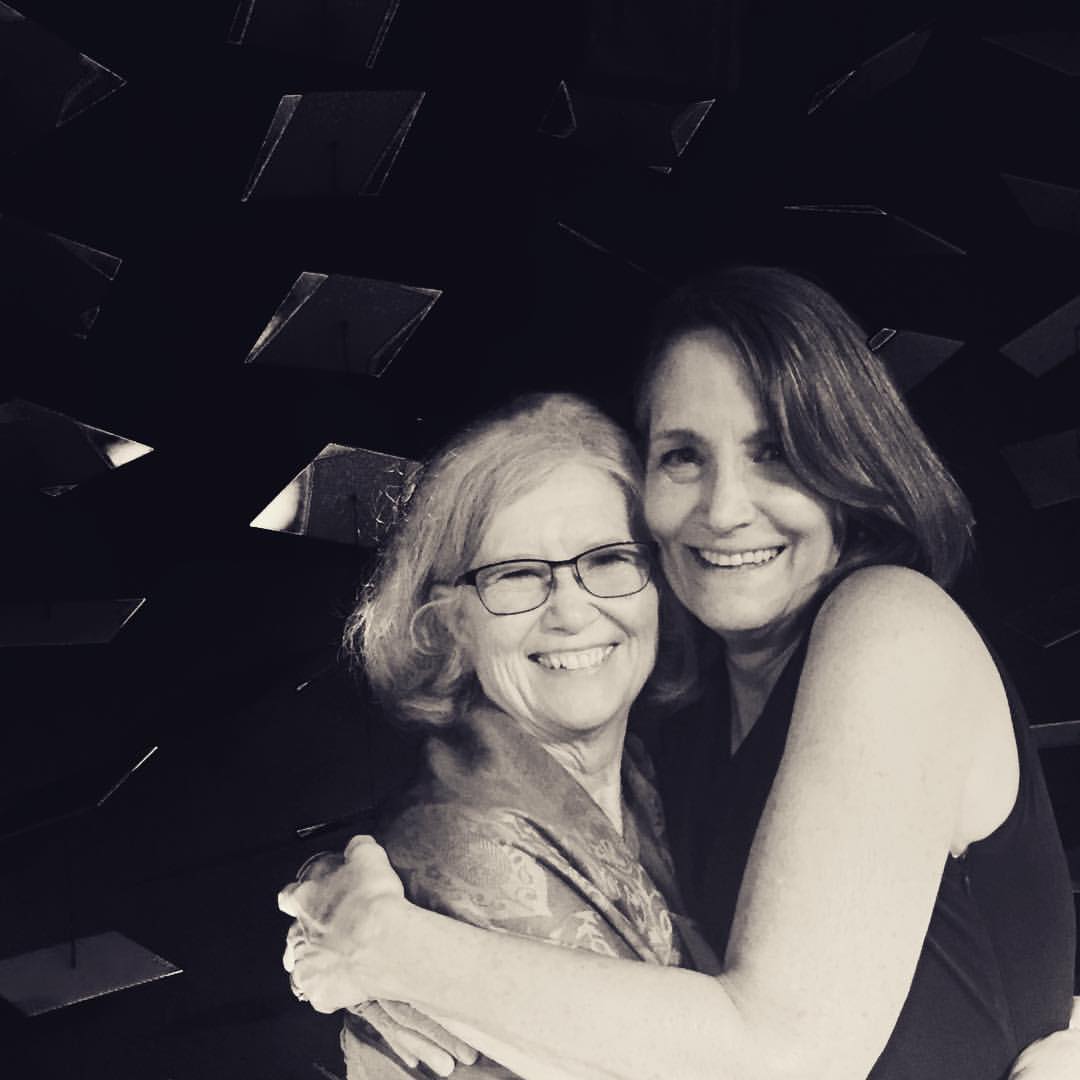
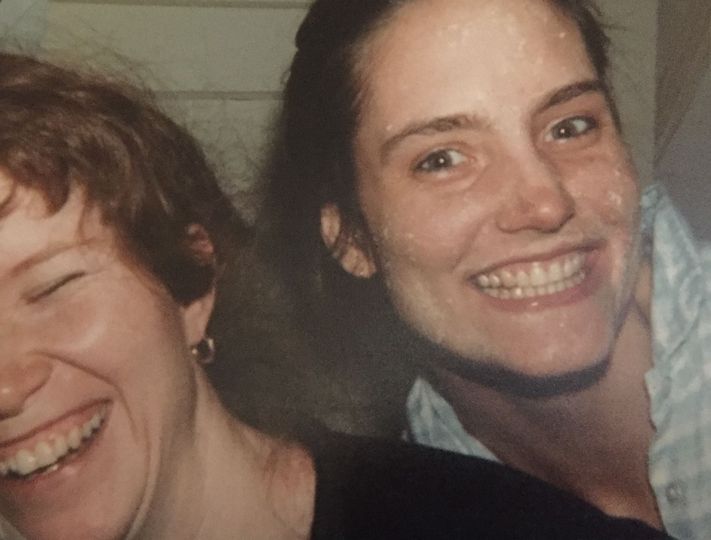
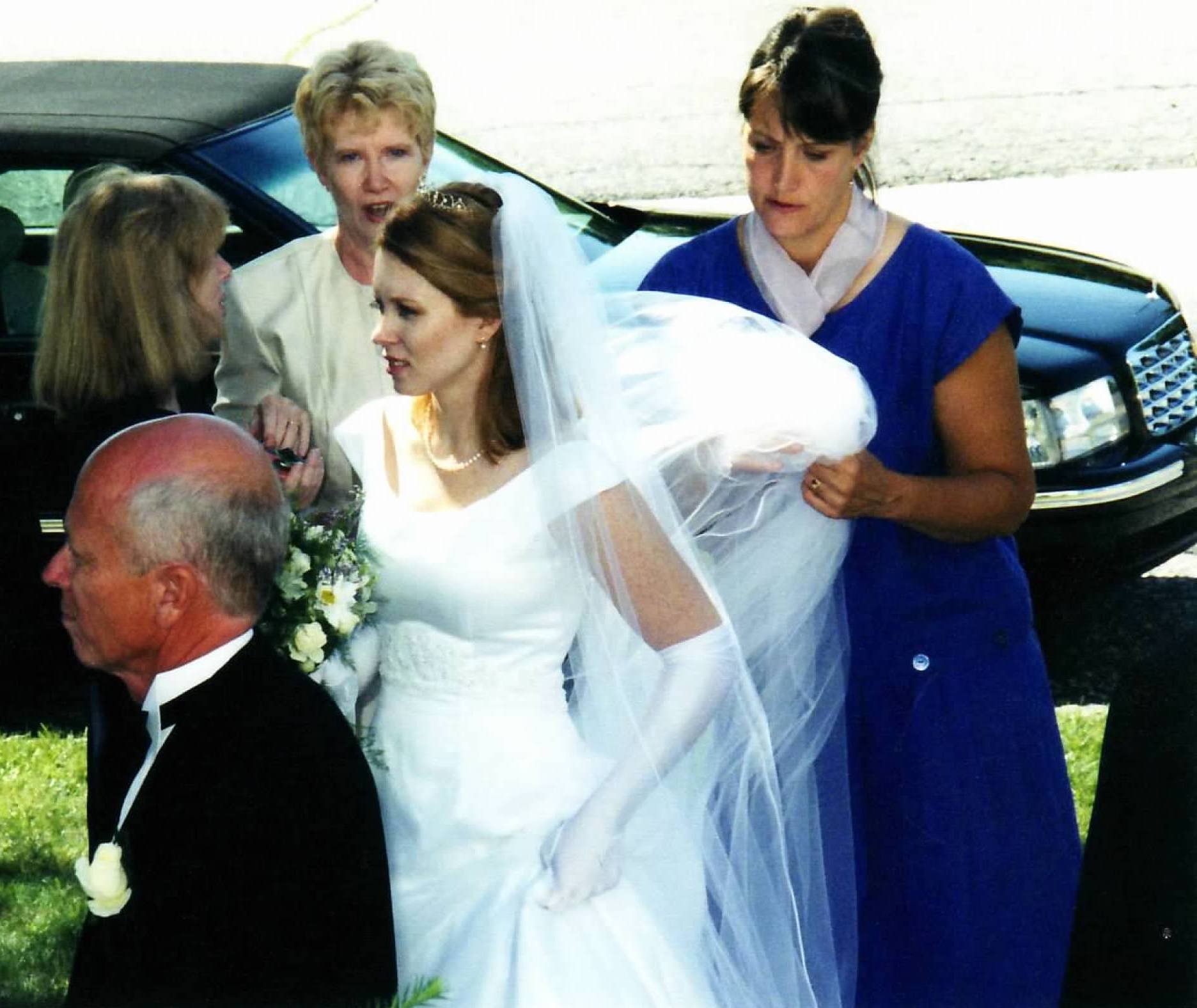

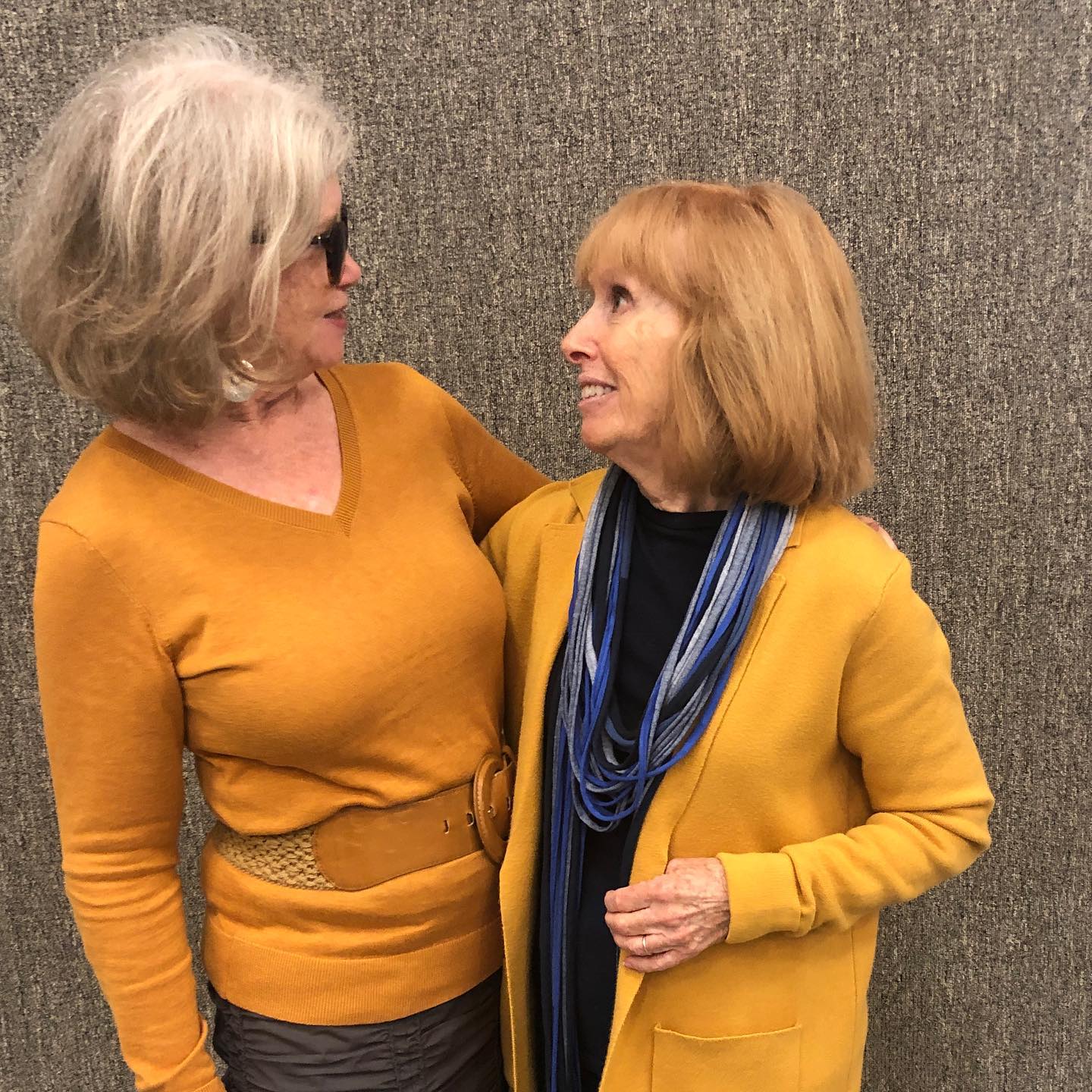

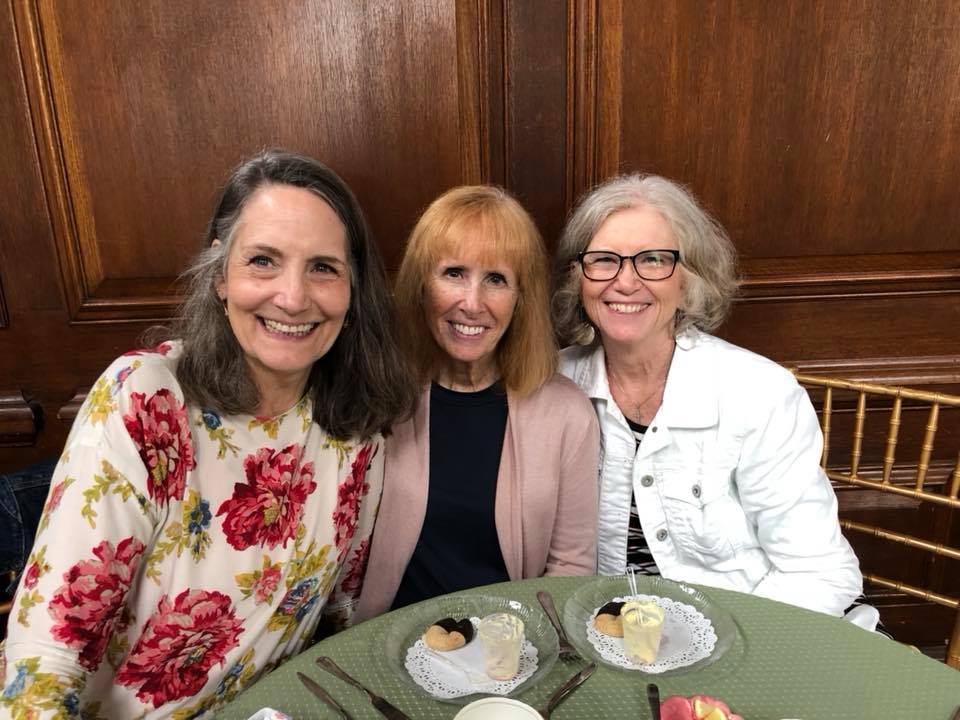


 because our stories matter