Minnie Alice 

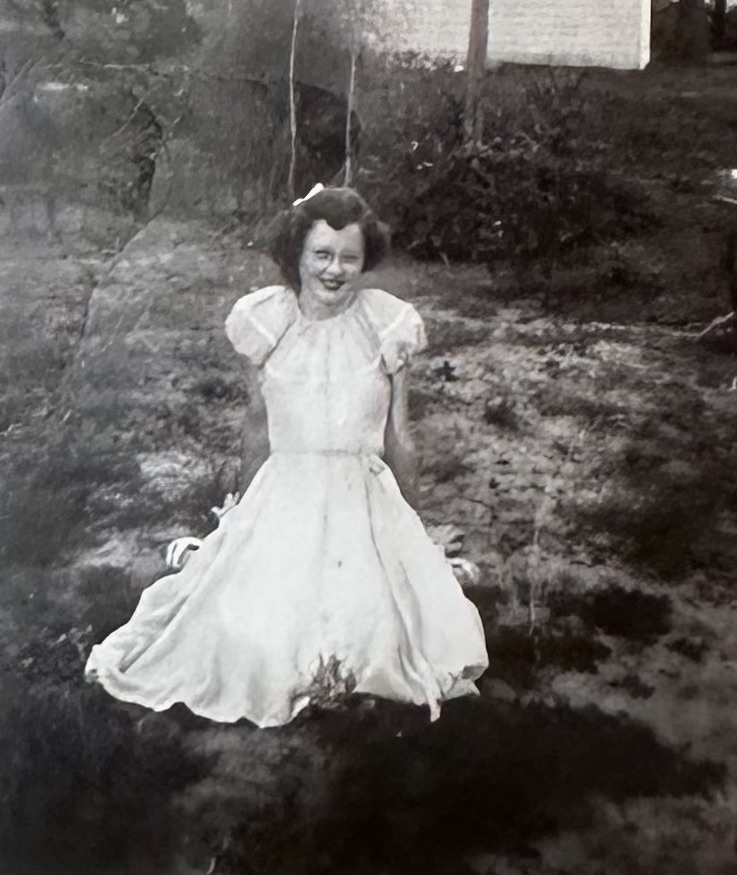
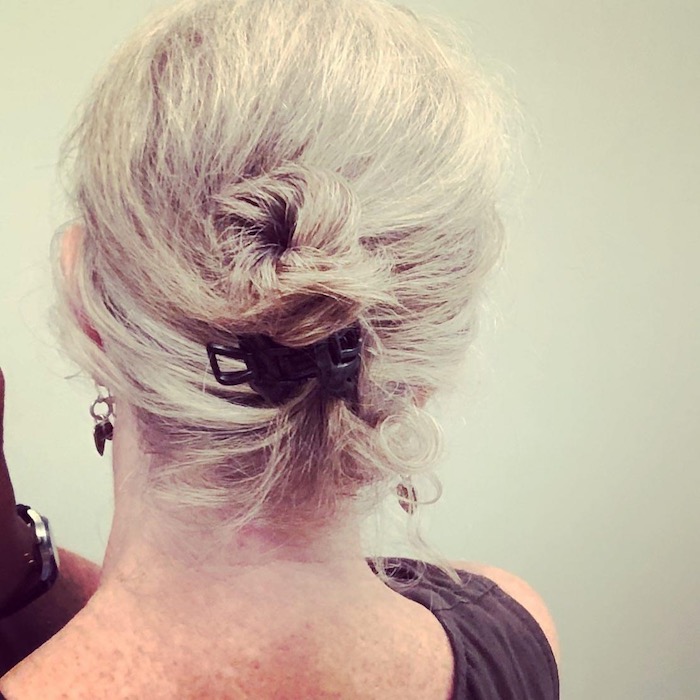
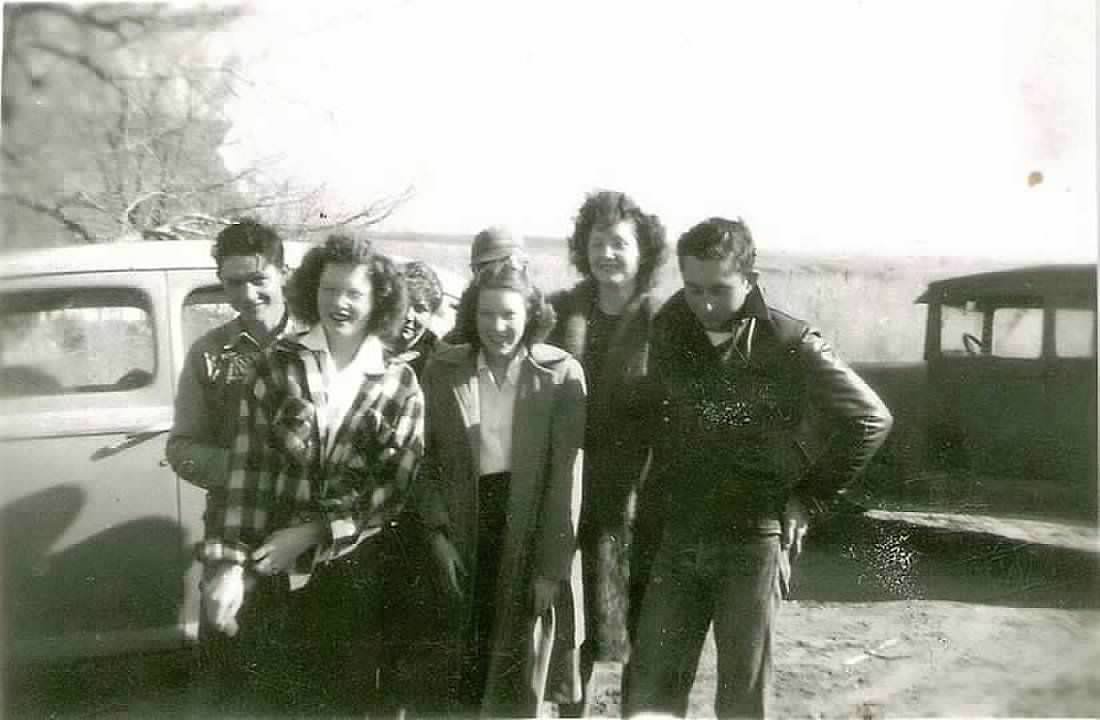
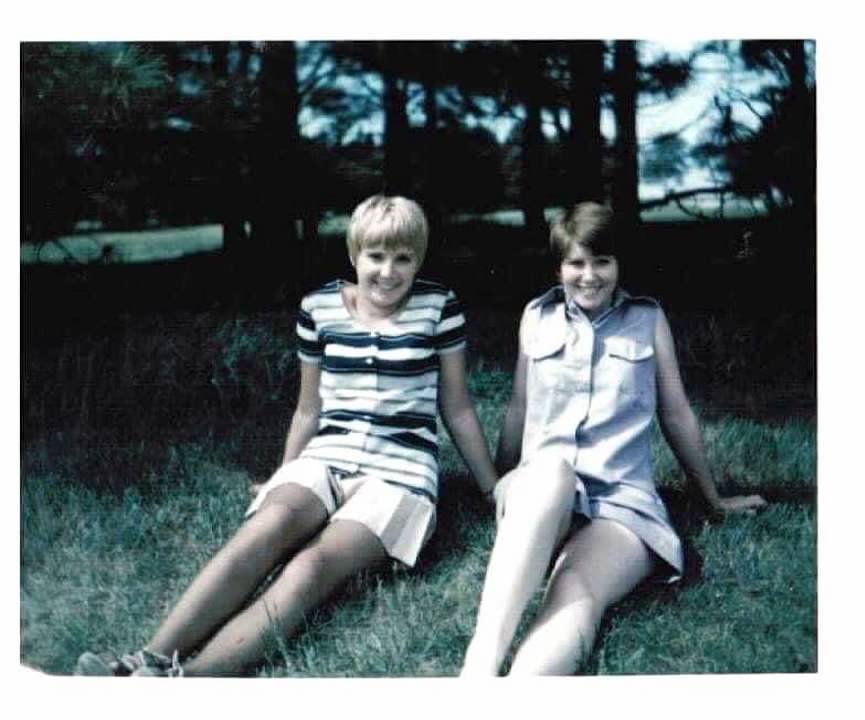
When I was little I thought my sister Minnie was a queen. She was beautiful and tall and regal and comported herself with the air of someone who should rule over a kingdom – not a farm or a feedlot. By the time I knew her, she wore her strawberry blonde hair in a french twist and dressed with the style and class of someone born to royalty. Nothing made me happier than when someone in the family would say, “You look like your sister Minnie.”  But of course, I didn’t.  I was short, had an unruly mass of dark auburn hair, and was lucky if my socks matched on any given day.  But still . . .  it was something to which I aspired.

This queen-like woman who dressed and carried herself with such class was a child of the Great Depression. Born in 1931, she was the fourth of the five children my parents were struggling to feed and clothe with no job and no money. When I was in grade school I mentioned to my mother that Minnie always had such beautiful clothes. “It wasn’t always the case,” she said. “When she was your age she had two dresses to her name. I would wash one out at night so she always had one clean to wear to school.”

I learned from watching my sister what it meant to care for people, how to make them feel special and noticed. She did this so well. Maybe it started for her in high school when her boyfriend, an athletic young man and star of the football team came down with a virus. Before it was over, the entire team would be diagnosed with Polio. . .  a terrible disease which left  many of them with life-long paralysis and disabilities. Minnie married that high school football star and with the aid of crutches, braces, and then a cane, Charles was able to lead a normal life. She was a big part of that “normal life” part. She remained steadfast and strong throughout, as well as later in his life when he lost mobility of his legs and feet due to post polio syndrome. She was his rock for 58 years.

 What I remember about Charles from my childhood is that he was witty and smart and his sarcasm was often lost on me. He tended to scare me a little and to hurt my feelings. But Minnie was always attuned to the moment and knew when maybe he had pushed it too far and she cleverly and carefully diverted the conversation to something safer. She was like that.
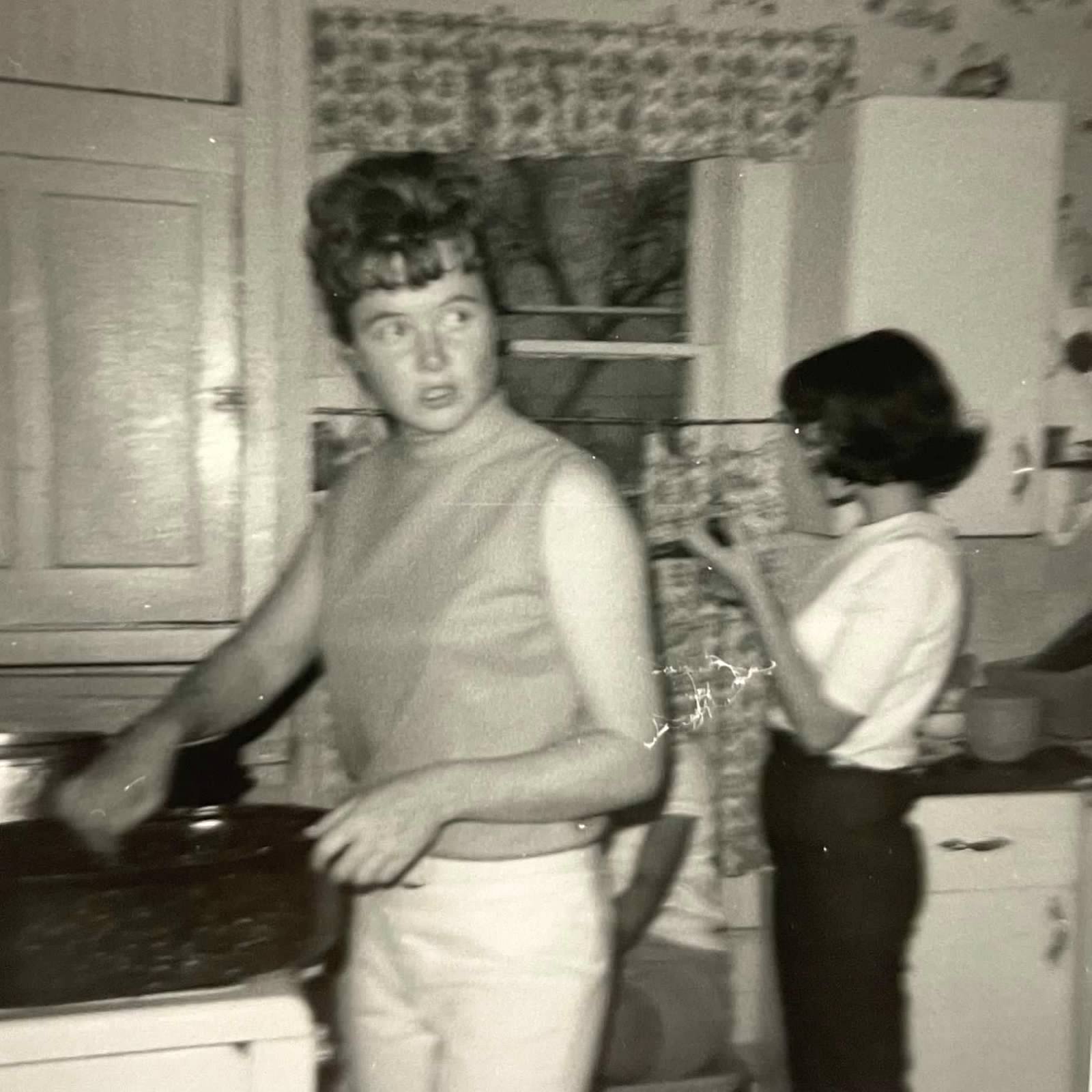
Minnie was one of the most generous people I have ever known. With her time, with her money, and with her attention. I don’t think many months went by that she didn’t drive the eight hours from her farm in Nebraska to our house in Colorado to visit my mother, my sister Lola, and me. She took us out to eat, a rare treat in those days, took my mother to run errands, and took me to buy a new dress for the first day of school or whatever the need was. One Christmas she bought me a HUGE pink stuffed poodle for my bed (something I would never have asked for because of the expense I imagined it would incur).  She asked my mother for her engagement ring setting which had been long been missing its ruby stone and for years had sat naked in Mom’s jewelry box because she could not bear to part with it. Minnie retuned it to her with a new ruby on the next Mother’s Day. She took me shopping for a rocking chair for my high school graduation because she knew I would always need a rocking chair. And the list goes on.

Sometimes her generosity combined with the age gap could create an awkward moment. Paul remembers the time we made a trip to Nebraska for a visit after we were married. We had accompanied Minnie to the grocery store. As we were waking through the aisles, Minnie reached in her purse and pulled out a quarter which she gave to Paul, “Do you want a soda out of the machine?”  “How old does she think I am? Ten?” Maybe twelve, I told him.  

But perhaps the best gift she gave me was her daughter Shirley – one year younger than I. Our worlds were vastly different, yet we were fast friends. Shirley lived on a farm and loved all things outdoorsy, animals, and non-domestic. When Minnie and Charles moved from a house in town to the farm, Shirley was delighted – the farm came with a 30 year old horse named Sugar. Minnie became a 4-H leader and immediately signed her daughter up for” Let’s Cook,”  “Let’s Sew” and “Let’s Groom Your Room” in an attempt to get her off the horse and out of the corrals. Shirley told me once, “I can still picture the old kitchen curtains she gave me to make my quick-trick skirt. I immediately saved my allowance money and paid a fellow member to do my sewing so I could pursue my trick riding.”

When Shirley came to visit me, her mother took us shopping and to Baskin Robbins. Without fail. We rode our bikes to the little store and got Cokes and Dreamcicles and Archie and Veronica comic books and came home to lie on my bed with the big pink poodle and read our newly purchased comic books. And my mother made her peach cobbler because it was her favorite and we pretended we were sisters instead of aunt and niece. 

Shirley had a brother thirteen months younger than her. When he was in first grade his teacher told him he couldn’t come back to school until he had learned to write his first and last name. So Minnie sat him down at the kitchen table one Saturday afternoon and told him he wasn’t leaving that table until he could write Phil Smith on the paper in front of him. After a long and trying session he had mastered the assignment. But as he got up to leave she heard him say under his breath, “I’m just glad my name isn’t Marjorie Spikelmier”.  I’m sure my sister was just as glad. This was the same Phil Smith who climbed the water tower of their small town the week before his high school graduation and spray painted his name on it in huge black letters. When called to the principal’s office and asked to explain himself, his defense was, “Do you think I would be dumb enough to paint my OWN name up there?” Apparently the principal thought exactly that because  Phil was expelled and not allowed to graduate with his class. Instead he could attend graduation at a school in another small town a few miles away.  “Okay,” his mother told him, “but YOU will be the one to call your grandmother who put in for vacation for this date a year ago and tell her you will be graduating next weekend instead.” It would seem Minnie was as afraid of my mother as I was.
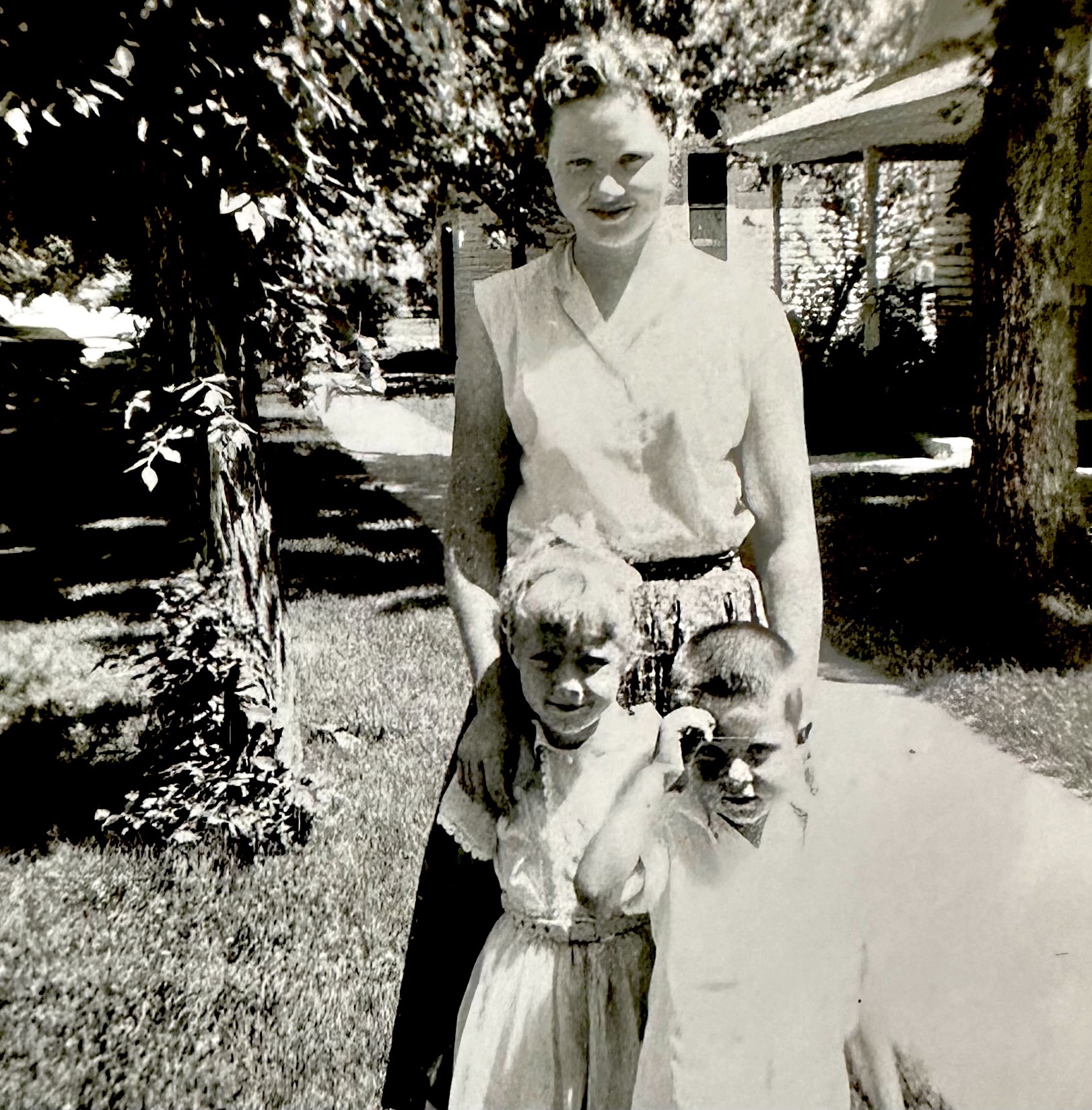
Minne, Shirley, and Phil

Eventually Charles and Minnie left Nebraska for Texas. where the weather was warmer and it was easier on Charles. They owned and operated a feed lot there until they retired, moved to an apartment building for seniors and purchased a camper which they used to  to visit the coastal areas of Padre Island, Corpus Christi, Brownsville, and many other places in Texas and Florida.  Minnie was nothing if not flexible. 

That apartment is where I went to visit her before she died. Our sister Lila and I flew to Texas to see her when Shirley had called to say, “If you’re coming, you might want to come now:” No sooner had we stepped through the door than she led us into her bedroom. “Come in here, girls. There’s something I need to show you.”  She pulled out the ruby ring which my mother had left to her when she died.  “Sherry, you should have this.” She put my mother’s gold wedding band in my sister’s hand. “And Lila, you take this.” 

It was during that visit as I listened to Minnie and Lila and Charles reminisce about growing up together and the pranks my brothers played on them and the stories they told about a time and a place and people who were not a part of my story, that I learned more about her than I had ever known in all the years before. 

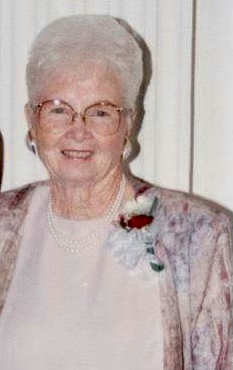
my last visit with her

I loved my sister. But what I discovered as i grew to adulthood is that I didn’t really know her. I had not grown up with her as had my brothers and sisters – had not shared their stories of poverty, of hardship, of war and life on a Nebraska farm. And she was not quick to share any of that. What I came to realize is that Minnie was a very private person. She simply did not talk much about her life or herself. When she was diagnosed with breast cancer, she did not share that information with her daughter, her sisters, or as far as I know anyone but her husband. No one knew when she had a mastectomy or reconstructive surgery. It was not until her doctor told her, “You really have to tell your daughter and sisters; they need that information”, that she shared it with us. When the cancer later returned as bone and then brain cancer, I learned it from our older sister. I called Minnie. “I’m so sorry,” I told her. There was a long pause. “Sherry, I’m so scared.” It was the most vulnerable I had ever known her to be and it broke my heart. 

When Shirley was in fifth grade, her P.E. teacher once had this woman –  the one with the perfect posture, the perfect way of walking through the world, the perfect sense of elegance – to  come to class to teach the girls to walk with style and grace. “Like Minnie.”  She was as close as our family got to royalty.  

She loved being a grandmother.
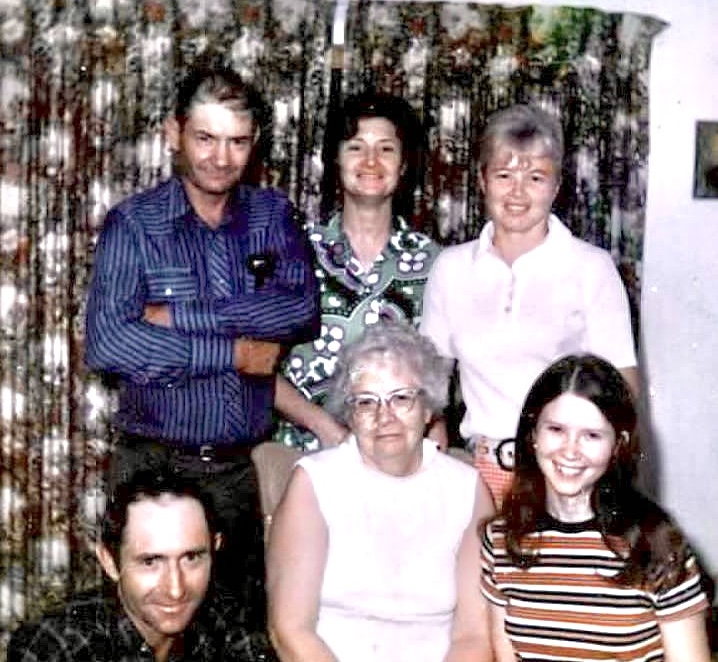
my mother and five of us
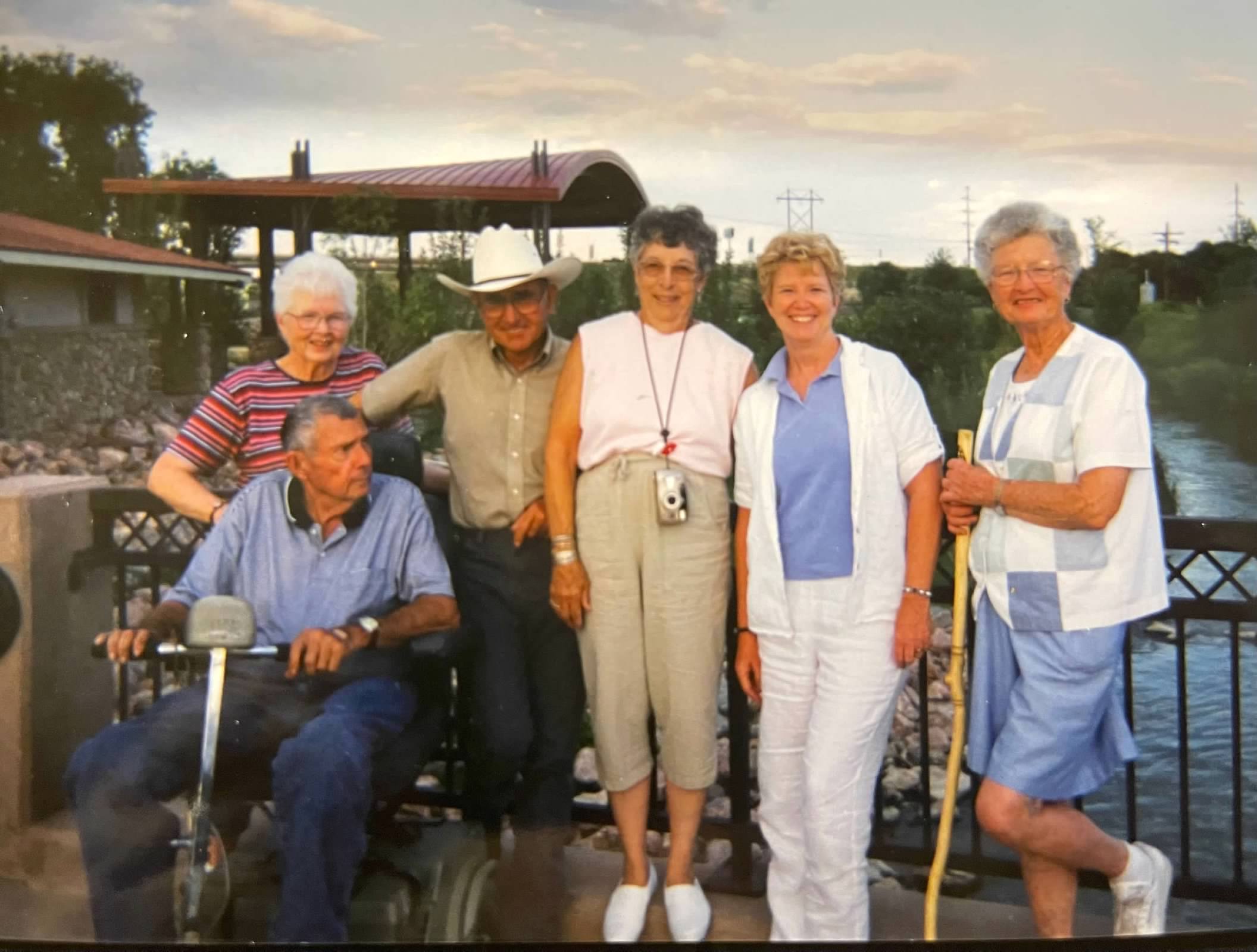
Minnie & Charles, Irvin & Joyce, Lila & me

“You look just like your sister.”
I could do worse.

Thank you to my niece Shirley for sharing stories and details about her mother’s life which helped in the writing of this piece. It helped me to know my sister better and I hope to do justice to her story. 
Where Were the Adults?

We came of age in the chaos of the 60s, lived through the incredibly bad fashion of the 70s,  and spent our childhood smack dab in the middle of the 50s. The decade of poodle skirts, roller skates you wore over your shoes and tightened with a key, of drinking Kool-aide out of brightly colored aluminum  cups on hot summer afternoons and playing kick-the-can with the neighbor kids till the street lights came on, telling us it was time to go home.  

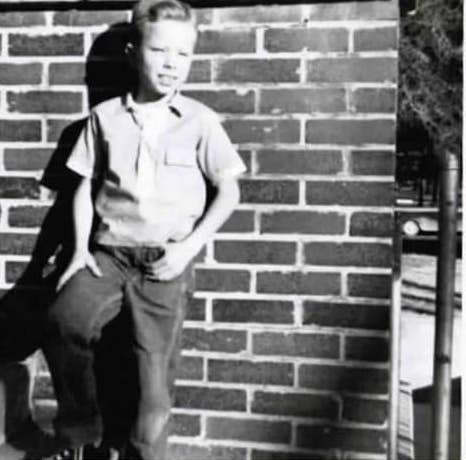
Paul’s childhood is filled with stories that could have come right out of Sandlot or The Christmas Story. The cast of characters may change from story to story depending on who their neighbors were at the time, how many of his siblings had entered the picture by then, or whether they lived in the small town of Boone, Colorado, or had moved into the big city of Pueblo. But the starring roles, at least in the early years, are always reserved for him and his brother David, three years his senior. 

As a consumer and a recorder of the stories, rather than a participant in them, I am always struck with the same question. Where were the adults? At least in his telling of them and I think in his memory of them – they were simply non-players. Charles Schulz, commenting on the lack of adults in his Peanut’s comic strip once said, “Adults have been left out because they would intrude in a world where they could only be uncomfortable.” He believed they would ruin the magic of the strip and were simply not needed. “Adults bring everything back to reality. And it just spoils it.” And that about sums it up.

So here are some of their stories. Keep in mind it was a different time, a different life and a different world. 

The One About Starting a Business

All it would take, they decided, was a good idea, a little hard work, and a business plan. And so they collected gourds, dug up small cactus from the prairie and planted them in the hollowed out gourds. They put the finished products in a wagon and pulled it around the tiny town of Boone, knocking on doors and selling them for a dime a piece. After putting in a hard day’s work, they counted up their spoils and divided up the money. What to do when you are six years old and you have money burning a hole in your pocket? Well, you strike out for the hardware store (which happened to be the only store in town) to spend your profits. “What did you buy?”  I ask him.  “A ball of twine and a roll of electrical tape.” Oh, the possibilities. . . 

The One About the Bow and Arrow

It was Christmas of 1959. Excitement had reached a fever pitch as the four siblings dreamed about what they might find under the tree for them on Christmas morning. Maybe, he hoped, it would be a telescope – one that would let him see into the heavens and discover what lay beyond.  

A few years earlier he had hoped and prayed for a shiny red bicycle that would carry him to new, unexplored places he could only dream of. But as Christmas drew nearer his parents had explained that Dad had been out of work, money was tight, and Christmas would be smaller than usual. “IF there is a bike, it would only be one. To share.” Still, he had dared to hope. Maybe there would be a bike and maybe David would actually share it. But on that Christmas morning, under the tree, there had been not one but TWO brand new red bicycles (put on layaway months before and paid off little by little through the month of December.)  And in that moment he knew, beyond a shadow of a doubt, that there was a God in heaven. It would not be until many years later, as a young father himself with a limited budget and four young children of his own, that he would come to understand and appreciate his parents for their sacrifice.  

So this year, as the anticipation became almost unbearable, he knew that whatever was under the tree for him would surely be grand, and he went to bed with visions of the Sears’s and Roebuck Christmas Catalogue dancing in his head.

When thirteen year old David opened his Single Shot 22 Caliber Rifle the next morning, the younger brother could scarcely breathe. This surpassed all of his grandest expectations! What a  score!! And what a grown up present. This proved that they weren’t just little kids anymore. Then it was his turn. “I should have known,” he has told me.  “It didn’t have the right feel or weight to it.” But he refused to believe that whatever David got, he would not also get. However when the wrapping was undone, what he held in his hands was a toy bow and arrow. The kind with the suction cups on the arrows. It wasn’t a 22 Rifle, it wasn’t a real bow and arrow, it wasn’t a grown up present. It was a TOY. He could not hide his disappointment. “Did you try?”  I’ve asked him. “I doubt it.” “But seriously, do you think it would have been a good idea to give a rifle to a nine year old kid?”  It seems that wasn’t the point.

Later that afternoon he trudged up the stairs to his room to practice his archery skills – by then determined to make the most of a bad situation. And that’s when he shot the arrow (with the suction cup on its tip) and broke his bedroom window, missing the target on the tripod completely. With a TOY! Could Christmas get any worse? Every time he tells this story I remind him that the broken window is proof that his parents made the right choice. 

The One About Shooting Your Eye Out  

Perhaps in an effort to salvage his reputation, the next Christmas Santa left a Red Ryder BB gun under the tree. All was forgiven as the two brothers and neighbor boys set out for an afternoon of target shooting. The target was the metal numbers on a telephone pole and they paced off a respectable distance and drew a line in the dirt. “Stand here,” they told him. He missed the first shot and the second and the third. So they moved him closer to the target. He missed again. And again. They moved him closer to the target. Same result. They moved him a fourth time. This time he hit the target . . .  right on the metal identification plate. The BB ricocheted off the plate and came back to hit the shooter right above his eyebrow. Blood streamed down his face, but he had hit the target! He still wears the scar proudly to this day.  

And in the “You Can’t Make This Stuff Up” category.

By 1960 David was a teenager and had outgrown the shenanigans of younger boys. But not to worry. The family had moved to a house on the edge of the prairie where two boys lived down the street. The adventures were just beginning!

The One About Building a Raft

On a hot summer afternoon, the boys (ages, 9,10, and 11) began brainstorming about a way to cool off. “Hey, let’s build a raft and float down the river!” one of them said. And so that is what the wannabe Huck Finns set out to do. They scrounged some scrap lumber, some nails, a couple of hammers and for all I know some gray tape and Elmer’s glue. But in the end they settled for a single piece of ply wood, having run short of supplies and resources. And so Terry and Tommy and Paul drug the “raft” two miles from the building site to the river – a half a mile of that being along Interstate 25. . .  walking along the right side of the highway . . . with the traffic. When they reached the river and found a place to launch the raft, they put it in the water and climbed on. It sunk. They tried again. And again. Finally they abandoned the raft, watched it float  down the river without them and settled for skinny dipping in the Fountain River. 

They were now faced with the two mile hike home. But as luck would have it, they were trudging along the side of the highway when they noticed something being tossed out the window of a big Cadillac as it sped by them. When they went to investigate, they could not believe their good luck. The treasure was a half smoked cigar, still lit. And so the boys sauntered along, taking turns puffing on their stogie, returning home a little green and only only a bit worse for wear. 

The One About Riding the Rails:   

Train tacks ran across the prairie and it was’t unusual to see men sitting in a boxcar with their legs dangling over the edge. They would ride from town to town this way as a means of getting from one place to another without buying a ticket. And so one fine summer day, the boys hopped a freight train, sat with their legs dangling over the edge of the box car and fancied themselves living the life of a hobo. And maybe they thought to themselves, “This is the life!” at least for their two-block train ride.  

The One About Building a Bomb:

Before the days of the internet, learning something new was was more a “trial and error” kind of thing. It must have been sometime around the 4th of July because they had found some firecrackers. From someplace else they found some shot gun shells. (Again, one might ask, where were the adults??)  All they needed now was some gasoline and “hey. . .  we could make a bomb!!” So they took the supplies, headed out to the prairie with an empty coffee can and found a little cave dug into the sand where they could “safely” create the explosion. One of them had matches (of course) so they lit the gasoline and then ran for cover to watch it blow up. But for whatever reason – the gasoline had soaked the firecrackers and they never ignited, the shotgun shells were duds, or God in heaven took pity on three stupid boys – the gasoline burned itself out, there was no explosion, and they lived to go on to other adventures and grew to be old men with great stories.

So where were the adults? God only knows. Paul’s just glad that his parents aren’t around to read this. It could only make them uncomfortable .

No girls allowed (That would be their sister Beth under the box).

The Things We Share

by Sarah Abbott

For all my life, there have been parts of my story I know, not because I remember them, but because those who came before me held the memories and passed them on to me. I know about the Kansas heat the summer I was born and the doctor singing the Sara Lee jingle when he learned my name. I know about the road trip to Colorado in my first weeks of life and the portable baby bed crafted out of a cardboard box.

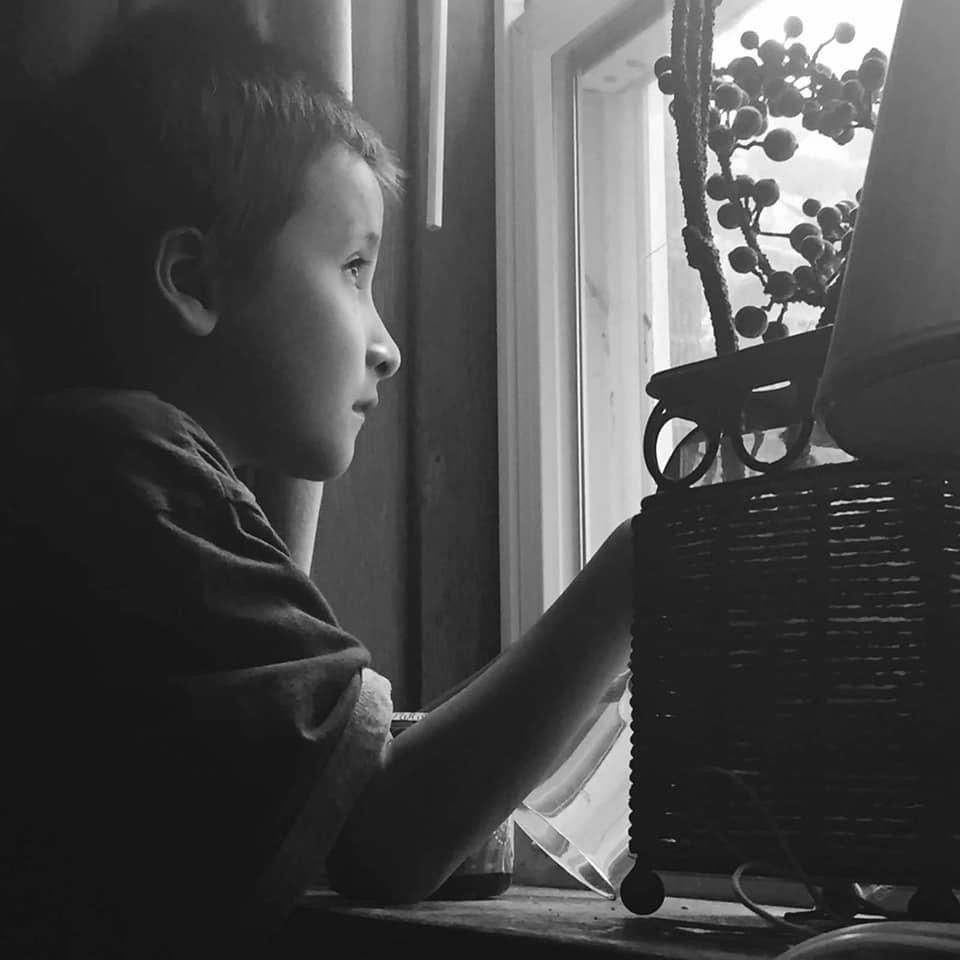
It’s different with my children. When we first met in 2016, they already had lives and experiences which I cannot speak to. I do not hold their earliest memories, and these stories are not mine to share. The first time I met my son was in a conference room full of caseworkers where he anxiously paced the perimeter of the room, looking out the windows and listening to music on his toy. He was a bundle of movement, pacing the floors, drumming every surface and making music everywhere he went. I brought him home four days later.

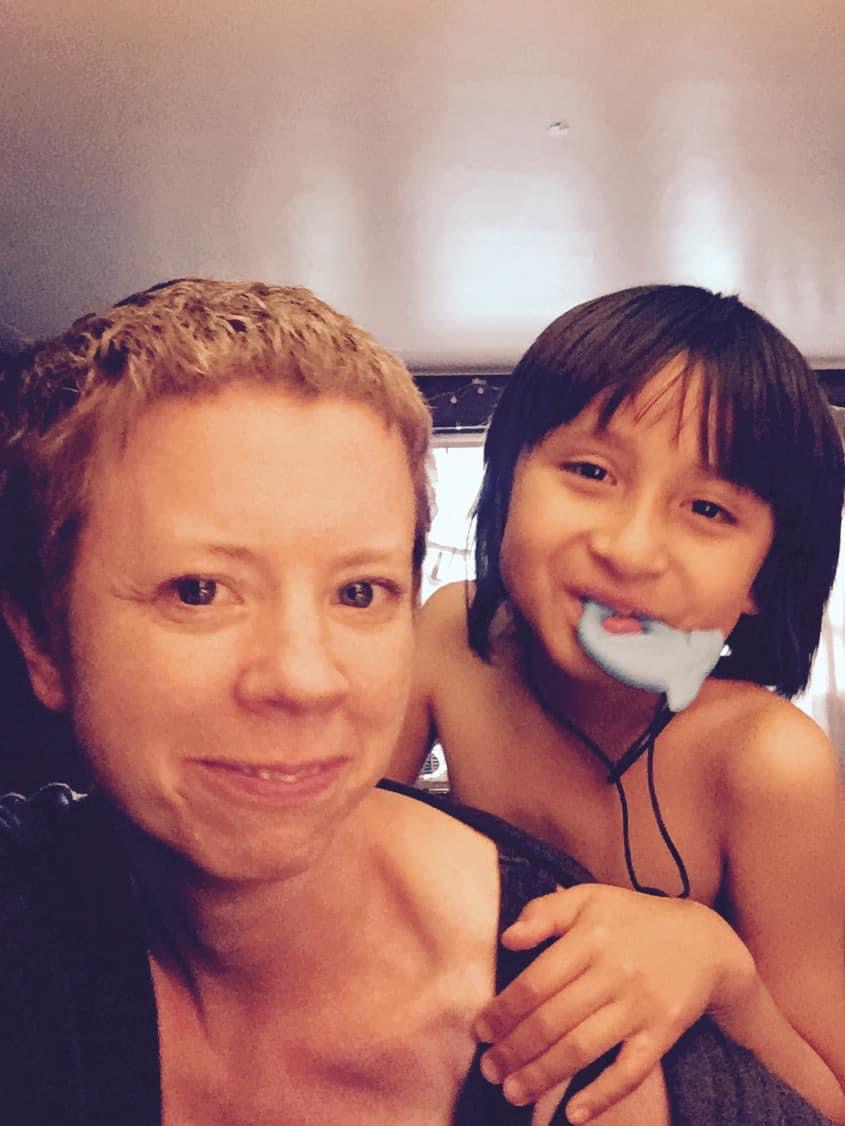
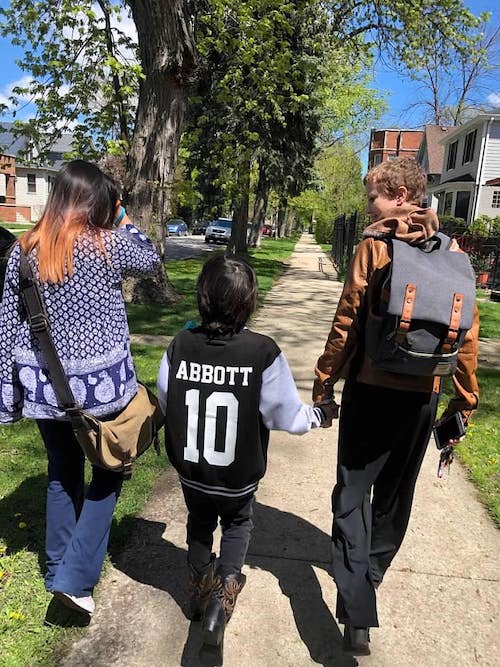
He was so tiny that at seven years old, he could still easily fit in my lap or ride on my back while I completed chores and made dinner. The day I brought my son home, I spoke to my daughter for the first time. I called her to introduce myself and give her an update on her brother, and from our very first conversation I was struck by her incredible tenderness towards her siblings and her willingness to show me, a complete stranger, an abundance of grace. Our relationships happened individually and over time. I got to know my son over hours of pushing him on the swings at the park, taking walks, building forts, and carrying him in my arms and on my back. My daughter and I connected over weekend visits and family outings until she was no longer visiting, she was just home. Over a summer of jigsaw puzzles, camping trips, family dinners and evening tea we became a family of three.

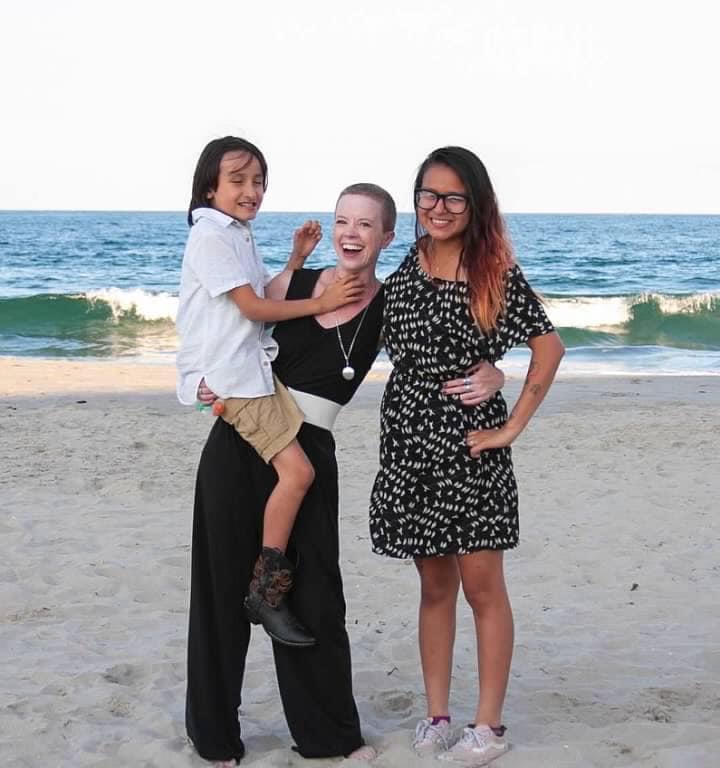
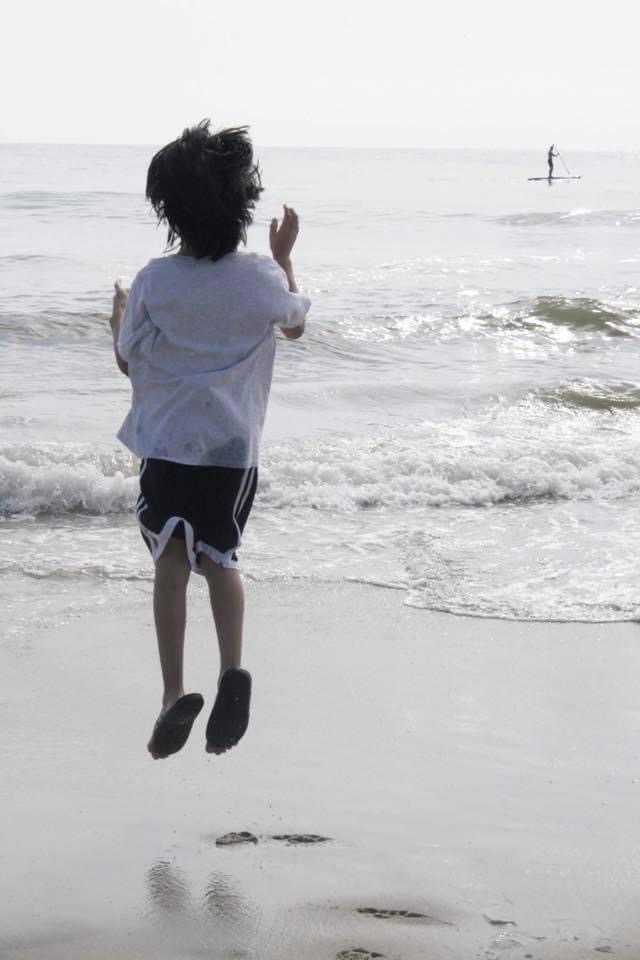
Over the past seven years we have created our own shared family history, inside jokes, rituals and traditions. We often reminisce together: remember the Christmas we tried to go to the light show that had been sold out for weeks or the time we nearly burned down the porch with the ladybug firecracker? Remember when we went to the drive-in movie and Kiko took a bite out of the car’s steering wheel? There is the week we spent at the beach, seeing the ocean for the first time and the months of Covid spent baking and having movie marathons.  There are years of collected memories now, many good, some hard, just like every family.

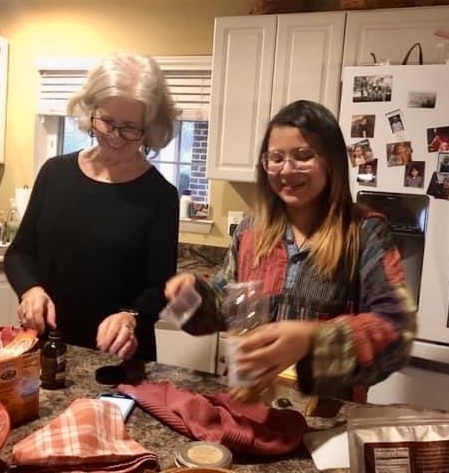
My kids are their own remarkable people filled with unique traits for which I can take no credit: My son’s silky, soft hair, long eyelashes and intricate drumming rhythms. My daughter’s beautiful skin, artistic talent and love of animals. None of this comes from me. Yet, over time, we have shared pieces of ourselves with each other. My daughter has inherited my mom’s pie baking skills. My son shares my dad’s love for nature and road trips.

My son is teaching me to appreciate hip hop music and be present in the here and now. My daughter is teaching me to be more emotionally honest and to approach life with curiosity. I know I don’t get to choose which traits of mine my kids will adopt. My hope is that my influence in their life doesn’t ever change who they are but encourages them to fully be themselves. My hope is that whatever else they take from me, first and foremost, they know they are loved unconditionally

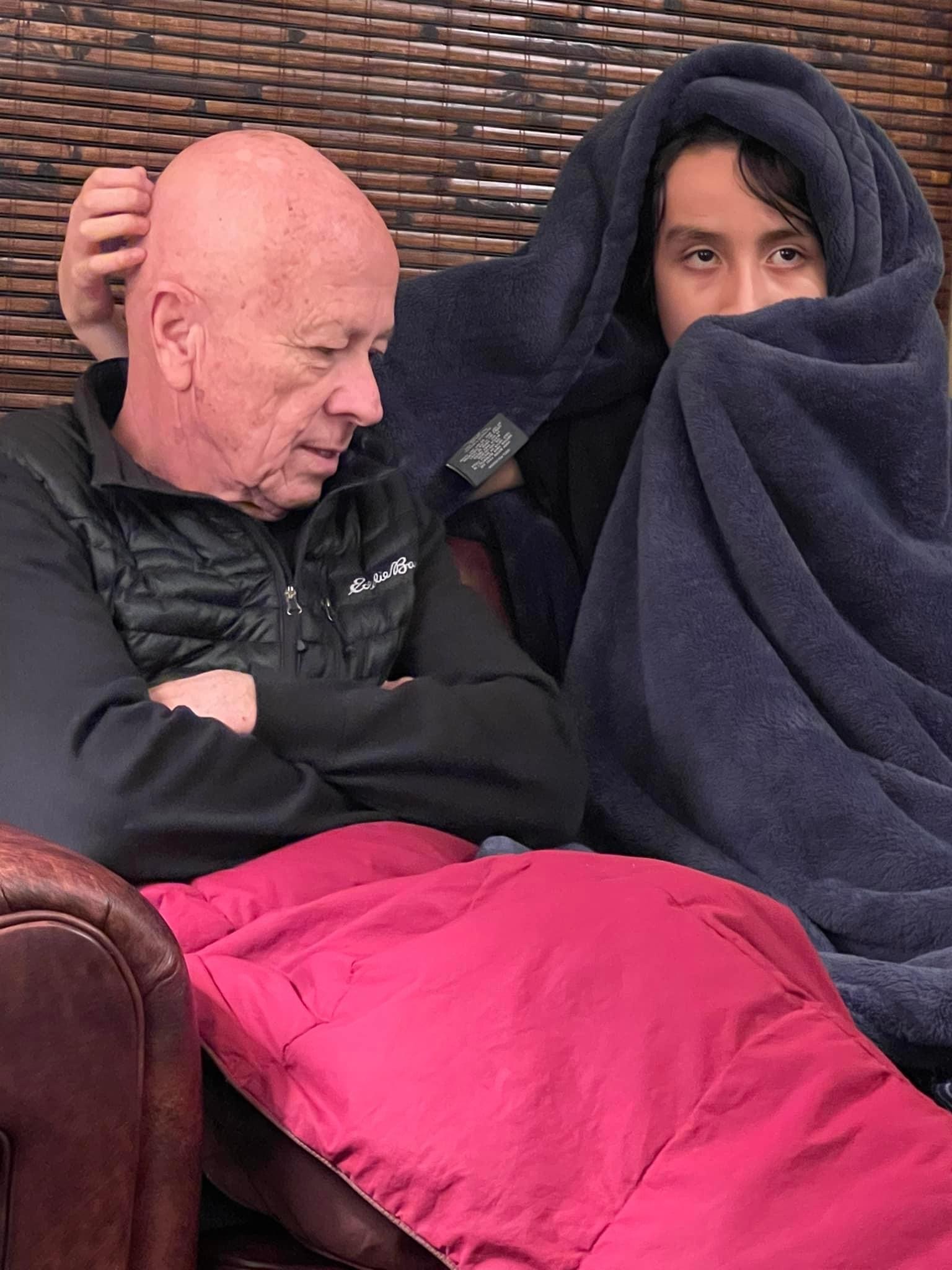
Although I am not genetically related to my kids and the three of us are very unique individuals, we also share a lot of similarities. We share a love for soft blankets, cozy spaces and warm lighting. We share an appreciation for honest conversations and being together in silence. We share an understanding that there is value in our differences and communication is more than words. Over the years we have developed our own shorthand of whistles, clicks and quacks that communicate nothing specific but everything important. It means we listen to one another, both what is spoken and unspoken. It means we see one another both our uniqueness and similarities. It means we speak each other’s language. And when one of us calls, the others will answer.